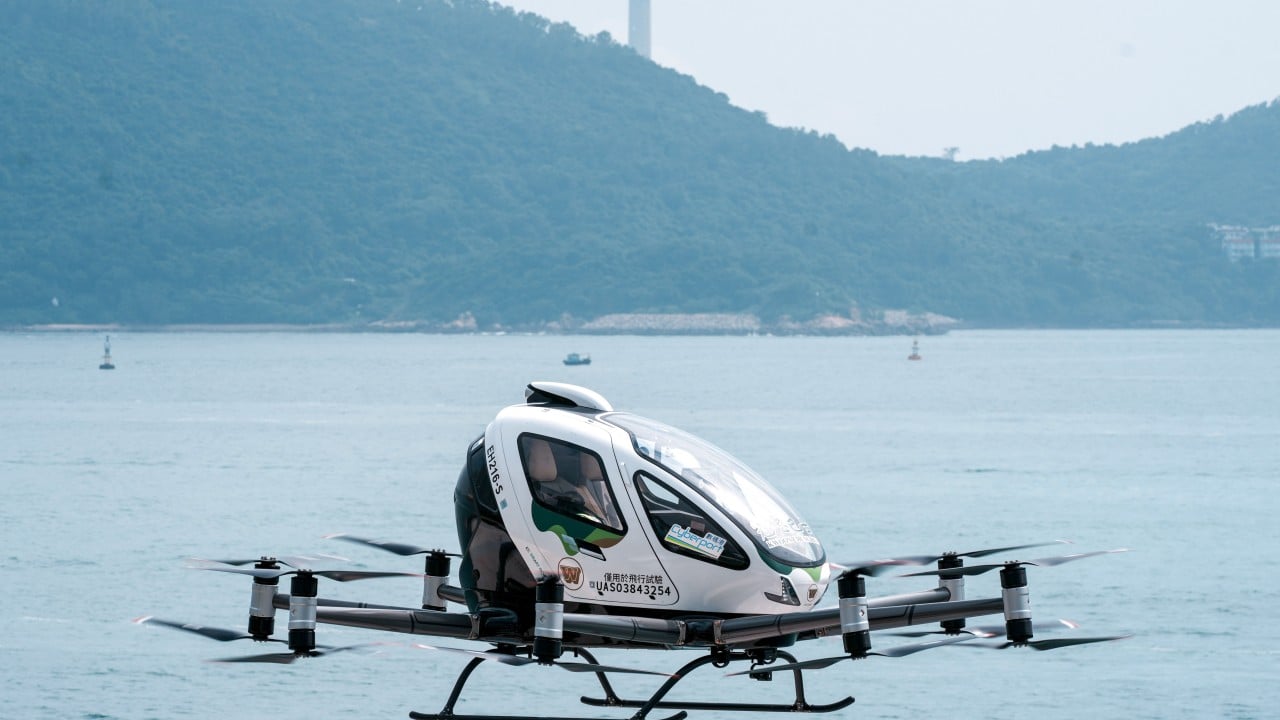
Hong Kong's crowded skies just welcomed a completely different kind of flying machine. An unmanned electric aircraft recently completed its historic maiden flight across the territory, signaling a massive shift in how urban mobility and low-altitude economies might actually function in one of the world's densest cities.
If you think this is just another expensive tech gimmick for venture capitalists, look closer. Urban air mobility is moving from science fiction brochures into tangible testing phases right over Victoria Harbour and surrounding coastal zones. Let's look at what actually happened, why it matters right now, and what hurdles remain before you can hitch a ride in an autonomous electric flyer.
Breaking Down the Historic Flight
The maiden flight wasn't just a random remote-controlled drone stunt. It involved a serious electric vertical takeoff and landing vehicle operating without a pilot onboard, showcasing automated flight paths, precise telemetry, and zero direct emissions.
Why launch this in Hong Kong of all places? The city presents a brutal test environment. You have towering skyscrapers, unpredictable maritime winds, dense radio frequency interference, and some of the strictest airspace regulations on the planet. If an autonomous electric aircraft can successfully navigate these vertical canyons, it can handle almost any major global metropolis.
Operators and aerospace engineers gathered data on battery performance, rotor noise levels, and autonomous stabilization systems during the test window. Early telemetry indicates the propulsion system maintained stable altitude despite erratic gusts bouncing off nearby high-rises. That is the exact engineering hurdle that grounded earlier prototypes in similar urban environments.
The Reality of the Low-Altitude Economy
Governments across Asia are pouring billions into what regulators call the low-altitude economy. It isn't just about passenger transport. Cargo delivery, emergency medical response, and infrastructural inspection are the real financial drivers keeping these aerospace startups alive.
Traditional helicopters are loud, dirty, and notoriously expensive to operate within urban boundaries. They burn fossil fuels at alarming rates and require massive helipads with dedicated safety buffers. Unmanned electric aircraft change the unit economics entirely. They run quieter, emit zero local carbon, and rely on distributed electric propulsion systems that have fewer moving parts than a combustion turbine.
Yet, public skepticism runs deep. People don't want autonomous flying lawnmowers buzzing past their thirty-story apartment windows at two in the morning. Regulators at the Civil Aviation Department face the impossible task of balancing rapid technological innovation with absolute public safety. One catastrophic failure during a test phase could set the entire industry back by a decade.
What Needs to Happen Next
Technology is rarely the primary bottleneck anymore. Software and battery densities have evolved enough to keep these aircraft airborne for viable commercial routes. The real friction points are regulatory frameworks, insurance liabilities, and air traffic management integration.
You can't just fly autonomous aircraft through commercial corridors without a bulletproof digital air traffic control system. Hong Kong needs dedicated low-altitude corridors equipped with radar tracking, 5G communication relays, and emergency override protocols.
If you are watching this space, stop waiting for flying cars to solve your morning commute to Central. Passenger transport is still years away from routine commercial operations. Cargo logistics and emergency medical transport will hit the market first because regulators are far more willing to risk a lost package than a human life while testing out new airspace protocols.
The maiden flight proved the hardware works in Hong Kong skies. Now comes the hard part: convincing millions of residents below that the future flying right above their heads is safe, quiet, and here to stay.