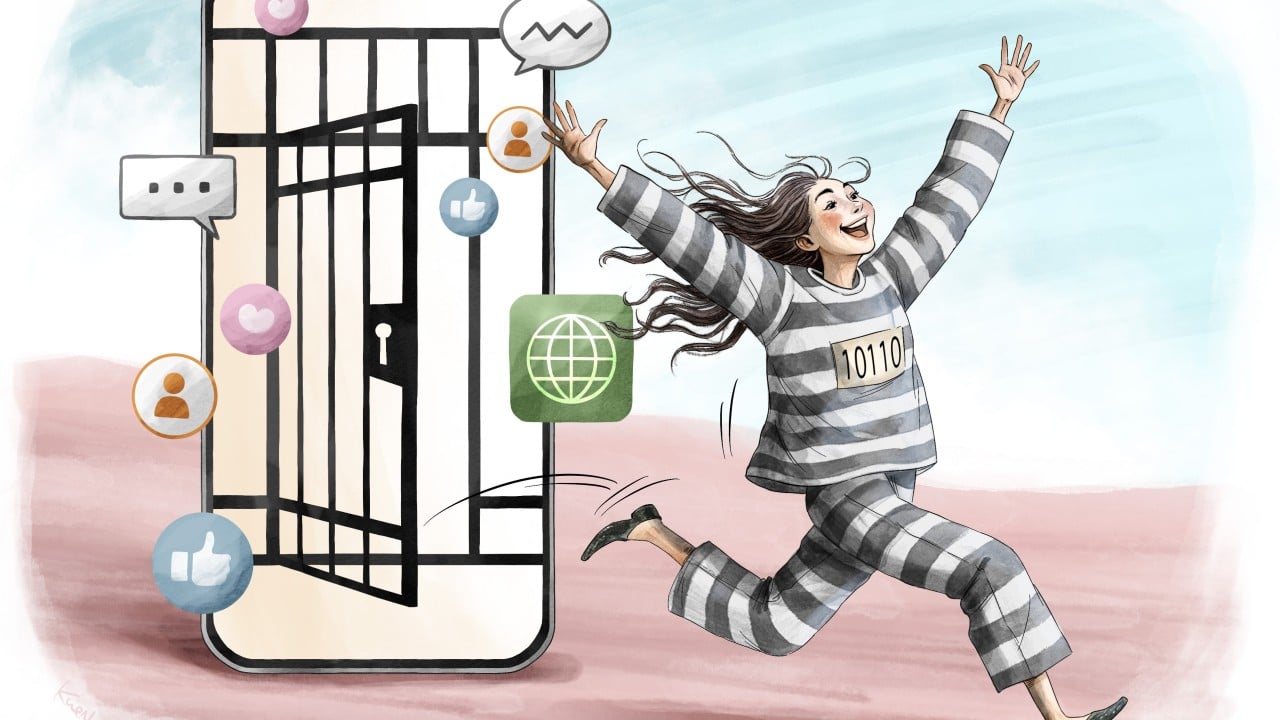
You wake up, reach blindly for the glowing rectangle on your bedside table, and lose twenty minutes of your life to notifications before your feet even touch the floor. Sound familiar? If you live in Hong Kong, it is practically the default morning ritual. But things are shifting. People across the city are waking up to the exhausting reality of perpetual connectivity and actively choosing to unplug.
A digital detox is no longer just a quirky wellness trend for tech billionaires. It has become a survival strategy for urbanites drowning in WhatsApp groups, endless newsfeeds, and work pings that stretch well past midnight. Almost two-thirds of residents admit they feel tethered to their devices to an unhealthy degree. Let us look at why this digital fatigue hit a breaking point and how locals are reclaiming their time.
The Constant Buzz of Urban Burnout
Hong Kong moves fast. You know this if you have ever tried to walk down Des Voeux Road during peak hours. That frantic energy translates directly into our digital habits. We treat our phones like extra limbs, checking them on the MTR, during lunch breaks, and while half-watching a movie at home.
The problem is that your brain never actually gets to rest. When you fill every single micro-moment of boredom with a scroll, you starve your mind of the quiet space it needs to process thoughts. People are starting to realize that being reachable twenty-four hours a day is a trap. You are not being productive. You are just being interrupted.
What a Real Digital Detox Looks Like
Throwing your smartphone into Victoria Harbour is not a practical solution. You still need it to pay for your MTR rides, check transit schedules, and order lunch. That is why effective modern detoxes are about boundaries rather than total isolation.
Local residents are adopting creative ways to manage their screen time without completely dropping off the grid. Some turn their phones to grayscale mode, making the apps look dull and unappealing to the brain's reward centers. Others implement strict phone-free zones during dinner or leave their devices in another room an hour before bedtime.
Weekend electronics-free hikes are also gaining traction. Places like the Sai Kung peninsulas offer an easy escape where mobile reception drops out anyway. Nature does half the work for you. When you are scrambling up Sharp Peak, looking at Instagram stories becomes physically impossible and mentally irrelevant.
The Pushback Against Notification Culture
Companies and social circles are slowly recognizing the damage done by constant availability. Expecting an immediate reply to a message sent at 11 PM used to be normal. Now, people are pushing back. Setting clear expectations about communication windows is becoming a basic professional courtesy rather than a luxury.
If you want to try this yourself, do not start by deleting all your social media apps for a month. You will last about three hours before giving in. Instead, start small. Pick one hour today where your phone sits face down in a drawer. Notice the phantom vibrations in your pocket. Notice the urge to reach for it when you are standing in line for coffee. That discomfort is the exact reason you need the break.
Silence your notifications permanently for non-essential apps. Most things that demand your attention right now can actually wait until later. Reclaim those quiet pockets of time in your day and let your mind wander again. You might find you do not miss the noise at all.