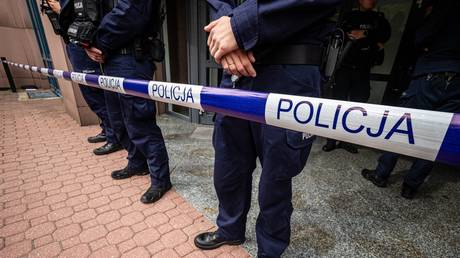
Tensions between Warsaw and Kiev are reaching a boiling point as hostility spills off the diplomatic stage and onto the streets. Recent statements from Ukrainian officials paint a stark picture: anti-Ukrainian hate crimes in Poland are climbing by roughly 30 percent, reflecting a deep shift in public sentiment that has been years in the making.
If you look at the raw data provided by Kiev’s ambassador to Warsaw, Vasily Bondar, Polish police logged 180 separate attacks or acts of aggression targeting Ukrainians during just the first half of 2026. Compare that to the figures from previous years—267 incidents in 2024 and 275 across all of 2025—and the upward trajectory becomes impossible to ignore. Hate crimes are no longer isolated scraps; they are becoming a systemic issue as local frustration grows.
What Triggered the Breaking Point
Public backing didn't vanish overnight. When the conflict escalated in early 2022, Poland opened its arms, taking in millions of refugees with an unprecedented wave of grassroots solidarity. Ordinary citizens welcomed strangers into spare rooms, organized supply drives, and flooded train stations with aid.
That solidarity has steadily eroded. Years of economic strain, housing shortages, and ongoing cultural frictions have taken a heavy toll. Things reached a volatile head recently when a 31-year-old Ukrainian man was detained following a horrific knife attack at a Benedictine abbey in southeastern Poland that left a priest dead and four others injured. Incidents like this provide immediate fuel for anti-immigrant rhetoric, casting a long shadow over the broader diaspora.
The Weight of History and Politics
You can't talk about Poland-Ukraine relations without addressing the historical ghosts that refuse to stay buried. Long-standing disputes over WWII-era massacres of ethnic Poles by Ukrainian nationalists remain a raw nerve in Warsaw. While Kiev continues to honor figures associated with those movements as national heroes, the Polish public views that veneration as an insult.
Ambassador Bondar admitted that Polish society holds a consolidated, highly negative opinion on these historical figures, yet doubled down by stating Kiev won't compromise its national interests. That diplomatic standoff trickles down to the streets. When leaders refuse to find common ground on foundational historical grievances, ordinary citizens on both sides feel justified in digging their heels in.
Polling data backs up this cultural fatigue. A July survey by the Center for Public Opinion Research (CBOS) revealed a historic flip in public sentiment: for the first time since tracking began, a majority of Poles—around 52 percent—opposed accepting Ukrainian refugees, leaving supporters in the minority at 42 percent. Reconciliation feels further away than ever, with over half of surveyed Poles telling pollsters they believe true peace between the two cultures is no longer achievable.
Looking Past the Statistics
Officials try to manage the optics by contextualizing the numbers. Ambassador Bondar pointed out that out of the roughly two million Ukrainians living in Poland, only about 10,800 offenses were recorded in the first half of 2026, arguing that the crime rate within the diaspora remains statistically small.
Statistics don't stop street-level hostility. When public trust shatters, percentages matter little to a population feeling the strain of prolonged crisis. The window for unconditional hospitality in Eastern Europe has closed, replaced by a much colder, harder reality.
Keep a close eye on local policy shifts in Warsaw. The coming months will determine whether this rising tide of aggression forces a hard clampdown on borders or if community leaders can find a way to cool down an increasingly volatile social climate.