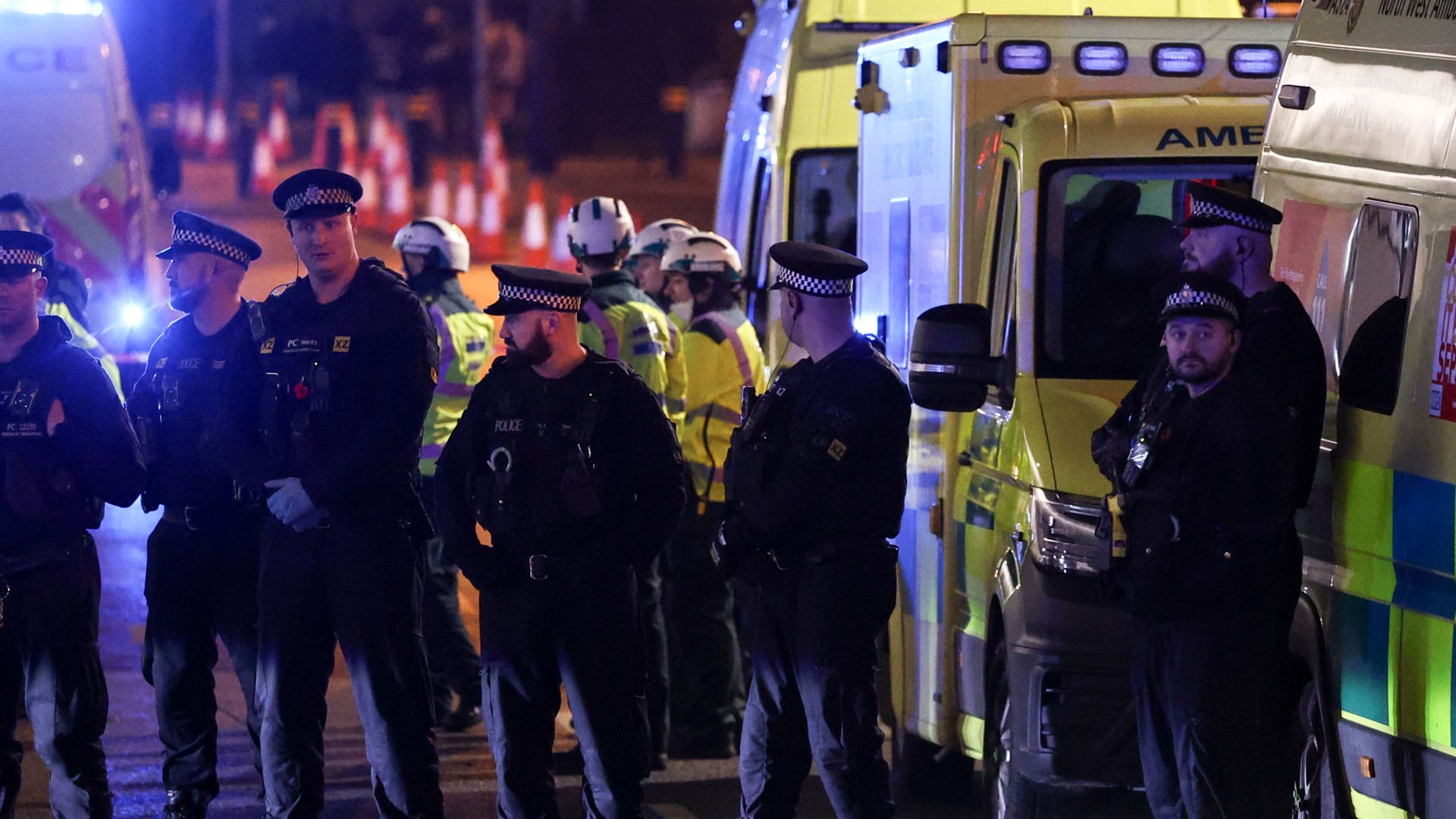
Eleven people were hurt on Tuesday, November 24, 2026, when a strike hit a tower in Riyadh's financial district, a move Saudi authorities and the Saudi-led coalition blamed on Yemen's Houthi movement. That single headline doesn't tell the whole story. Not even close.
The real story is what that building represents. Witnesses pointed to the 80-storey Public Investment Fund Tower in the King Abdullah Financial District, known locally as KAFD, which houses the headquarters of Saudi Arabia's sovereign wealth fund. Even more striking, it was the second hit on that skyscraper in less than a week, following an earlier strike on November 19 that caused damage without injuries.
If you've watched the Gulf over the past decade, you know Riyadh has poured billions into projecting stability, modernity, and economic ambition. Hitting the flagship tower of the Public Investment Fund twice in days sends a sharp message far beyond broken glass and scorched facade panels. It tests confidence in the capital's financial core.
What Actually Happened During the Houthi Attack on the Riyadh Tower
Let's stick to what's confirmed so far and skip the rumor mill. On Tuesday, Saudi Civil Defense reported 11 injuries from the attack on a tower in Riyadh's financial district, while coalition spokesman Major General Turki Al Maliki condemned the strike on X as a "cowardly terrorist attack" and said on-site investigations were underway. Reports indicate the injured included Saudi, Indian, Nepalese, and Egyptian nationals, with at least two people in critical condition after suffering severe burns.
Visual details shared by authorities showed damage roughly halfway up the tower's facade, echoing the location of the November 19 strike. Witnesses told AFP the projectile struck the PIF Tower without advance warning to residents or a publicly recorded interception before impact, though full technical details on the projectile and exact extent of structural damage had not yet been released.
Honestly, hitting the same landmark twice in five days raises uncomfortable operational questions. Air defense systems in the region have intercepted countless drones and missiles over the years, yet a projectile still reached a high-profile skyscraper in central Riyadh. Either the trajectory, low altitude, or timing slipped past defenses, or officials haven't disclosed an interception attempt yet. Either way, striking the same building twice creates a psychological punch that a one-off hit rarely achieves.
Why KAFD and the PIF Tower Carry So Much Weight
You can't separate a strike on KAFD from Saudi Arabia's economic identity. The Public Investment Fund sits at the center of Vision 2030, driving mega-projects, international investments, and the kingdom's push to diversify away from oil dependency. Towering over Riyadh's financial district at 80 storeys, the PIF headquarters isn't just office space for bankers and analysts. It's a symbol of where Saudi Arabia wants its future to go.
When an attacker targets a sovereign wealth fund tower instead of an isolated border outpost or remote facility, the goal is rarely military destruction alone. It's leverage and visibility. A damaged facade in Riyadh's business hub shows up on global business screens within minutes, making international executives, insurers, and investors pause and reassess risk.
I've followed Gulf security and infrastructure risk long enough to see how perception moves markets faster than spreadsheets. Most companies don't pack up overnight after one incident. Instead, they ask tougher questions about business continuity, employee safety, insurance premiums, and travel policies. Repeated hits on the same prestige address turn a rare shock into an ongoing risk factor.
A Pattern of Escalation Since Hostilities Restarted
This Tuesday's strike didn't come out of nowhere. Hostilities between Saudi Arabia and the Iran-backed Houthis restarted in July 2026 after a period of relative calm, and attacks targeting Saudi military, civilian, and oil infrastructure have picked up again in recent weeks. Before Tuesday's hit, Riyadh's financial district had already seen strikes this month, including the November 19 hit on the tower.
Here's a misconception I see all the time: people assume cross-border attacks are just a replay of earlier years with identical tactics. They aren't. Drones, loitering munitions, and missiles evolve constantly, and attackers probe air defenses for gaps, blind spots, and predictable patterns. Even when physical damage is localized, the tempo of repeated strikes wears down routine life in a major city.
Regional diplomacy is also watching closely. Neighbors in the Gulf and broader Middle East have previously condemned strikes on civilian and economic sites in Riyadh, recognizing that instability in Saudi Arabia's capital ripples across trade routes, energy markets, and diplomatic channels. When a financial hub gets hit twice in a week, regional leaders know the margin for miscalculation is shrinking.
What Matters Most Right Now for Residents, Travelers, and Businesses
If you're in Riyadh, planning travel to Saudi Arabia, or managing operations tied to the kingdom, panic helps nobody. Overreacting leads to bad decisions, while ignoring clear warning signs is just reckless. What works in practice is calm, disciplined risk awareness.
Start with official information. Follow updates from Saudi Civil Defense, official Saudi press channels, and your embassy or consulate rather than unverified social media clips that recycle old footage. During active alerts or incidents, move away from glass facades and windows, follow local safety instructions immediately, and keep your phone charged with emergency contacts handy.
For businesses and travelers, review practical contingencies now rather than waiting for another headline. Check travel advisories, confirm flexible ticketing or remote-work options where practical, and verify that corporate security and insurance policies match current conditions in the region. Most importantly, give authorities time to complete their on-site investigation and release verified findings before drawing sweeping conclusions.
Two strikes on Riyadh's flagship financial tower in less than a week prove that regional tensions remain volatile and unpredictable. Keep watching verified updates closely, review your personal or organizational safety plans today, and make sure your next move is grounded in confirmed facts rather than fear.