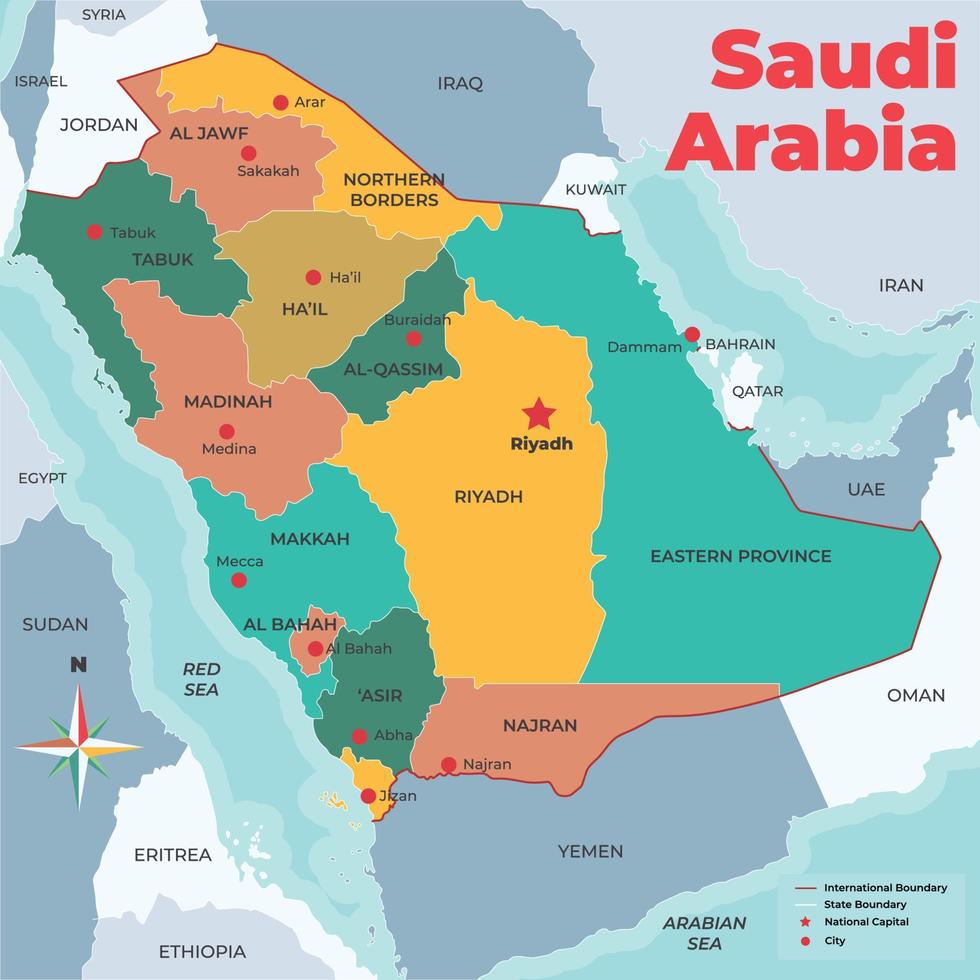
Smoke plumes over an oil facility near a capital city always trigger immediate panic. When the Houthis claimed responsibility for a ballistic missile and drone strike targeting an Aramco facility south of Riyadh, international media outlets scrambled to connect the dots. But the Saudi-led coalition isn't buying the narrative. Major General Turki al-Malki stepped forward to dismiss the assertions as entirely misleading, pointing out a much simpler motivation behind the noise.
The timing tells the real story. Heavy ground fighting has intensified across Yemen, particularly around the contested frontlines in Taiz and the Tor al-Baha axis. Yemeni Armed Forces and Popular Resistance fighters have inflicted severe casualties on Houthi forces. When military units bleed out on the battlefield, political wings look for smoke screens. Claiming a major strike on the Saudi capital acts as an instant PR distraction from mounting domestic pressure and battlefield losses.
The Reality Behind the Battlefield Claims
Propaganda rarely matches operational reality. While Houthi military spokesperson Yahya Sarea broadcasted claims of direct hits and raging fires achieved by precise drone operations, the coalition countered with hard numbers from their own counter-offensive. Armed forces executed dozens of precise targeting operations using warplanes, drones, and artillery against Houthi reinforcements.
Colonel Majed Abdullah al-Nazili, speaking for Yemen's internationally recognized government forces, noted that these defensive operations neutralized hundreds of fighters and disabled critical military vehicles.
Look at the tactical pattern. Whenever government forces push forward and inflict massive losses on Houthi positions in provinces like Sanaa, Saada, and Hajjah, missile claims spike. It's a textbook diversion tactic designed to project strength outward while internal lines fracture under combat pressure.
Understanding the Regional Fallout
The modern conflict in Yemen, stretching back past the 2014 takeover of Sanaa, runs on a loop of escalation and retaliation. Regional infrastructure remains a frequent target because economic anxiety draws immediate global headlines. Yet, issuing broad warnings to foreign companies and citizens while inflating strike success rates does little to alter the actual balance of power on the ground.
When you strip away the broadcast rhetoric, the core dynamic remains unchanged. The coalition's rejection of the Riyadh attack claims highlights an information war running parallel to the physical one. Both sides understand that public perception in Yemen and across the region dictates morale just as much as artillery shells do.
Don't expect the propaganda to stop. As long as ground forces keep applying pressure on key contested fronts, expect more exaggerated claims whenever the battlefield cost climbs too high to hide.


