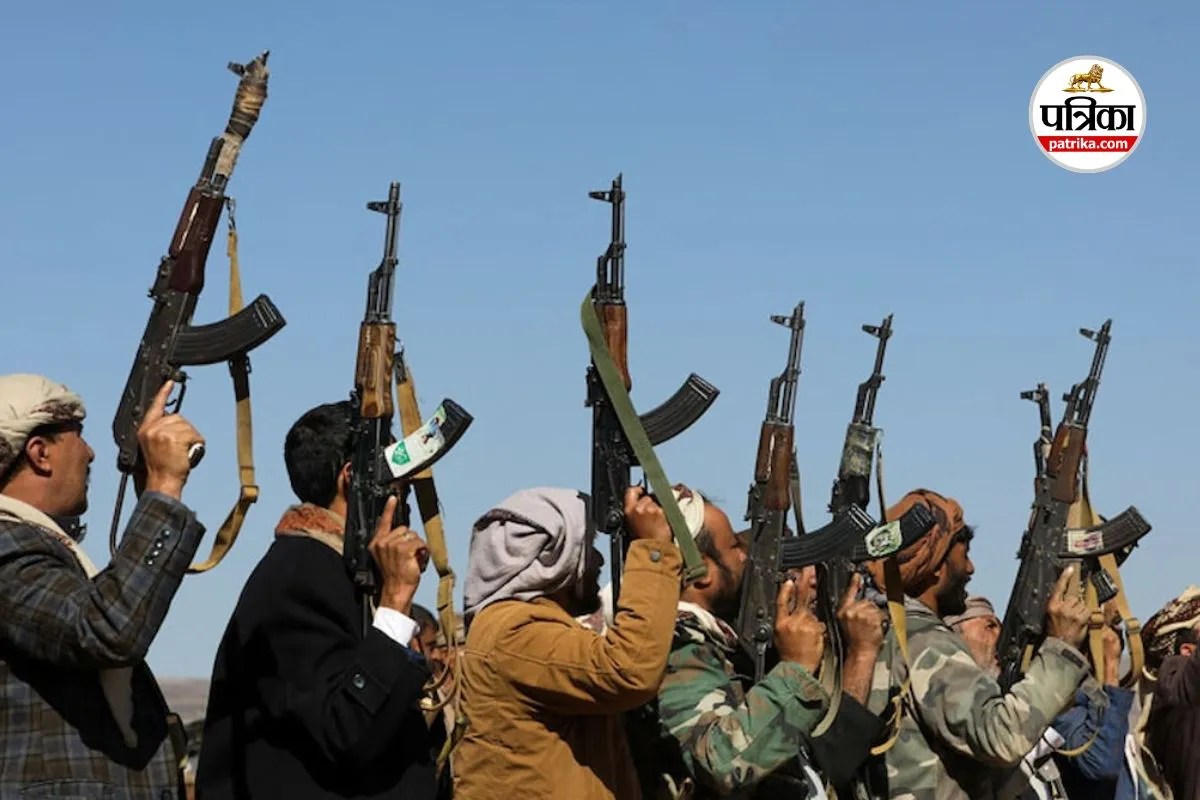
When armed authorities lock up humanitarian workers and slap them with fabricated espionage charges, the entire global safety net fractures. Right now, dozens of current and former UN employees sit in Houthi detention cells in Yemen. A chilling subset of these detainees faces the ultimate nightmare: the death penalty under weaponized state security trials. If you think this is just a localized Middle Eastern dispute, you're missing the bigger picture. This crisis signals a terrifying new baseline for how militant factions treat international aid personnel.
Let's look at the raw numbers. Reports from groups like Amnesty International and human rights monitors indicate that over 70 UN personnel—all Yemeni nationals—alongside various NGO workers, remain locked away. While a few individuals have experienced brief releases, the overwhelming majority languish in isolation. They have no real access to legal counsel, and their families are left guessing whether their loved ones are even alive. Among them, specific detainees face active prosecution with threats of execution hanging over their heads. For a closer look into this area, we suggest: this related article.
Why are aid workers suddenly prime targets? The dynamic on the ground shifted dramatically as regional tensions escalated involving Western airstrikes and maritime clashes. Houthi leadership in Sana'a reacted by treating any international connection or local humanitarian coordination with deep suspicion. Spying allegations became a convenient excuse to crack down on civil society, shrink civic space, and control the flow of aid.
Operating in Houthi-controlled regions was never easy. Bureaucratic hurdles, movement restrictions, and constant intimidation have long defined the daily grind for humanitarian staff on the ground. But turning aid workers into political hostages represents a catastrophic escalation. When local staff face public execution threats just for doing logistics or human rights work, organizations like the World Food Programme and various UN agencies face an impossible dilemma. Do they stay and risk more abductions, or do they pull out and abandon millions of starving civilians who depend entirely on food rations? To get more details on this issue, comprehensive reporting is available on Wikipedia.
The international response so far feels painfully slow. Vague diplomatic statements and strongly worded press releases don't intimidate de facto authorities who have already insulated themselves from global norms. The United Nations has repeatedly rejected these charges as baseless, pointing out that targeting national staff based on their employment undermines every single humanitarian principle. Yet, words alone won't open prison gates.
If you want to understand the true cost of this crisis, look past the headlines and consider the operational fallout. Aid distribution networks are buckling. Local NGOs are self-censoring or shutting down entirely to avoid the crosshairs. Human rights advocates must pressure international bodies to elevate these individual detention cases to top-tier diplomatic negotiations. Demand that governments with leverage over the region tie any future political talks or economic concessions directly to the immediate, unconditional release of every detained humanitarian worker.