When Yemen's Houthi forces swept down the western coastline to capture the strategic port city of Mocha and Perim Island, global supply chains didn't just wobble—they braced for a direct shock. This wasn't merely another skirmish in a long-running civil war. It was a calculated, lightning-fast offensive targeting the Bab el-Mandeb Strait, a critical maritime artery handling roughly ten percent of global trade and millions of barrels of oil daily.
If you think this only matters to Middle Eastern geopolitics, you're missing the bigger picture. When a narrow chokepoint falls under the shadow of militant control, cargo insurance rates spike in London, cargo ships reroute around Africa, and energy prices jump within hours. Let's break down what's actually happening on the ground and why this maritime escalation alters the economic landscape. If you found value in this post, you should look at: this related article.
The Strategic Weight of Bab el Mandeb
Geography dictates vulnerability. The Bab el-Mandeb Strait is only about 18 miles wide at its narrowest point, separating the Arabian Peninsula from the Horn of Africa. Thousands of commercial vessels pass through it annually to move goods between Asia, Europe, and the Mediterranean.
When Houthi fighters secured Perim Island—situated right in the middle of the strait—along with the Greater and Lesser Hanish islands, they gained direct tactical leverage over passing ships. For another look on this development, see the latest update from The Washington Post.
- The Oil Route Factor: Saudi Arabia relies heavily on its Red Sea infrastructure, especially when tensions restrict movement through the Persian Gulf's Strait of Hormuz.
- Targeted Blockades: Houthi leadership explicitly stated that navigation remains open for most international shipping, but drew a hard line against Saudi-flagged or linked vessels.
- The Insurance Effect: Even if a ship isn't directly targeted, marine underwriters immediately reprice risk. Higher insurance premiums translate directly to more expensive goods on store shelves worldwide.
A New Front in a Wider Regional Conflict
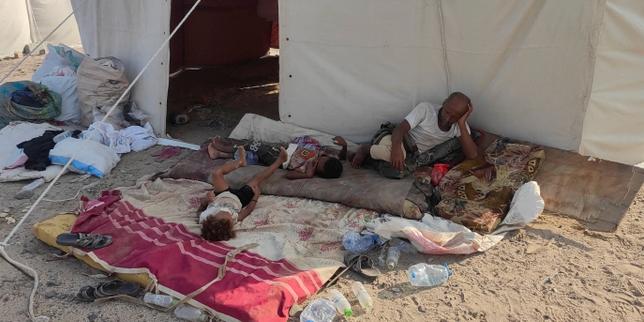
This sudden territorial sweep doesn't happen in a vacuum. It ties directly into the broader regional confrontations involving Iran, Saudi Arabia, and Western powers. For years, the UN-brokered truce kept a lid on major active warfare along Yemen's coast. That relative calm shattered when fighting erupted anew, pushing tens of thousands of civilians to flee and bringing heavily armed factions directly to the water's edge.
Saudi infrastructure has already absorbed direct retaliatory strikes, forcing key pipelines to temporarily shut down after drone attacks. Meanwhile, Washington and its allies watch closely as the balance of power shifts. While the Houthis claim their maritime restrictions are strictly political and military tools against regional adversaries, the practical reality is that global commerce is being held hostage to local artillery range.
What Comes Next for Global Supply Chains
Businesses relying on international freight can no longer treat Red Sea security as an afterthought. Contingency planning is mandatory.
- Audit Your Logistics Routes: Check whether your freight forwarders rely on Suez Canal transits that pass through the Bab el-Mandeb corridor.
- Factor in Latency: Expect longer transit windows if shipping lines decide the southern entrance to the Red Sea carries too much risk, forcing vessels around the Cape of Good Hope.
- Monitor Energy Markets Closely: Crude oil futures react instantly to choke-point friction. Energy-heavy operations need flexible hedging strategies right now.
The situation remains volatile, and military postures change by the day. Keep a close eye on marine advisory notices rather than official diplomatic reassurances.