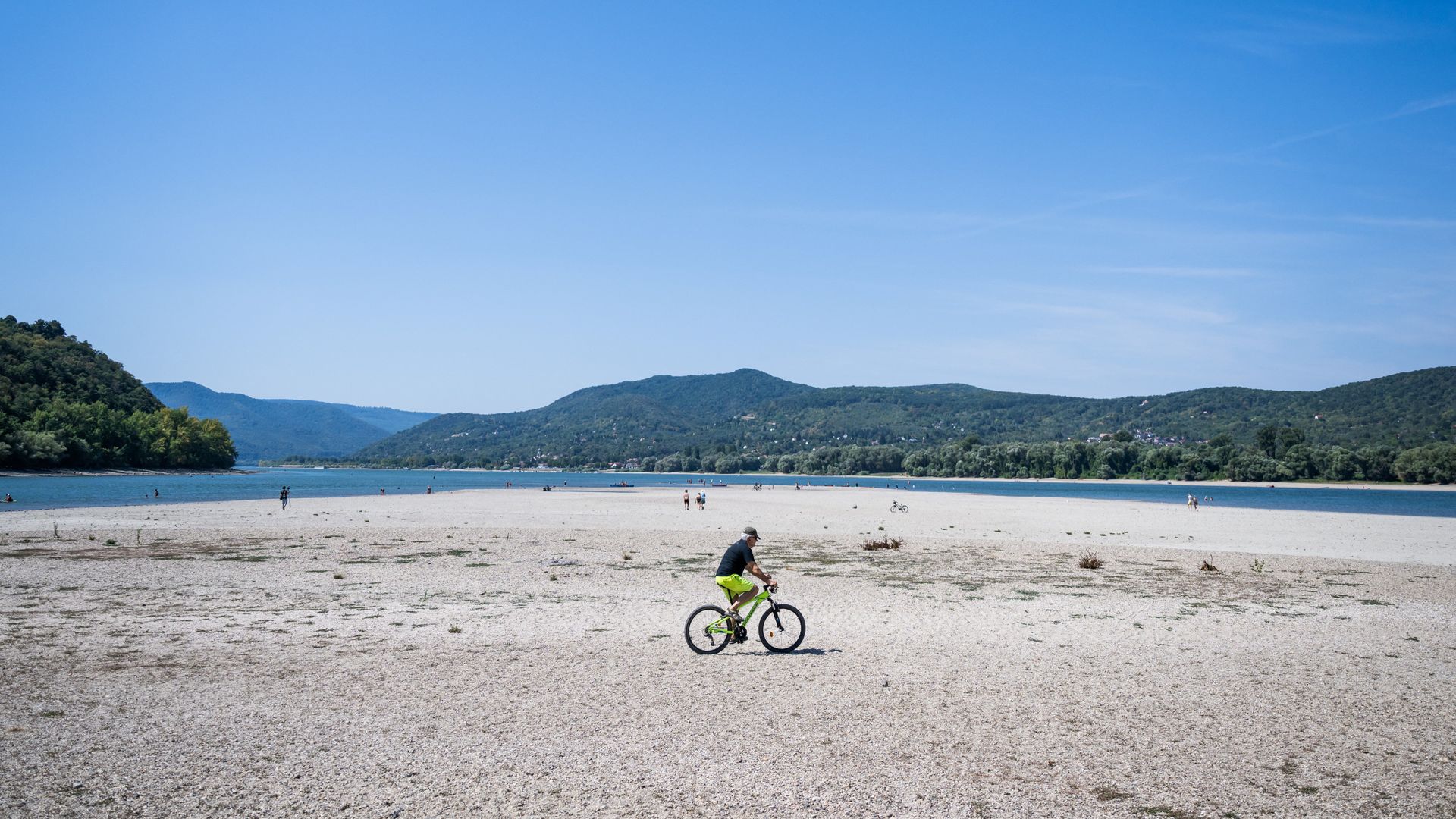
Hungary faces a historic energy emergency as the country's sole nuclear facility at Paks powers down completely for the first time in 44 years. Prime Minister Peter Magyar warned of the most critical five days ahead as a brutal heatwave combines with a historic drought to dry up the Danube River.
When the cooling water supply dries up, nuclear reactors cannot run safely. That simple reality has forced an abrupt halt to a plant that normally generates roughly 40 percent of Hungary's electricity.
The Anatomy of a Climate-Induced Grid Crisis
The Paks nuclear plant relies on a steady, massive intake of water from the Danube to cool its Russian-built reactors. Months of minimal rainfall and consecutive heatwaves across Central Europe pushed water levels down to unprecedented minimums.
Operators initially cut output to half capacity as levels dropped. That was not enough. With river levels continuing to plummet, the plant dropped to a minuscule fraction of its 2,000-megawatt capacity before the final reactors were ordered offline.
This is not just a localized weather event. It exposes a fundamental vulnerability in European energy infrastructure. Thermal and nuclear power stations depend heavily on surface water. When rivers run dry, baseload power vanishes. Compounding the disaster, a major malfunction at Hungary's largest gas-fired power plant in Szazhalombatta knocked out an additional 400 megawatts of capacity right as the crisis hit.
Emergency Measures and Economic Fallout
The government is scrambling to keep the country running. Officials have turned off decorative building lights across state properties, ordered public transport like trams and subways to slow down to conserve electricity, and restricted non-essential water use. Large industrial users, including major automotive and battery manufacturing plants that anchor the export economy, face strict voluntary power reductions with mandatory caps waiting in the wings.
Hungary is heavily reliant on electricity imports from neighboring nations like Austria, Slovakia, and Ukraine to bridge the gap. Yet regional grids are already stretched thin by soaring air conditioning demand.
Prime Minister Magyar inherited an energy system built on fragile foundations. Long-delayed cooling system upgrades and grid modernization bottlenecks left the country exposed. Bringing the Paks reactors back online is not a quick flip of a switch. Even when water levels eventually stabilize, restarting the facility safely takes roughly a week.
Watch wholesale electricity prices across Central Europe spike over the coming days. If you operate an industrial business in the region, prepare for mandatory energy curtailments and audit your backup power contingencies immediately.