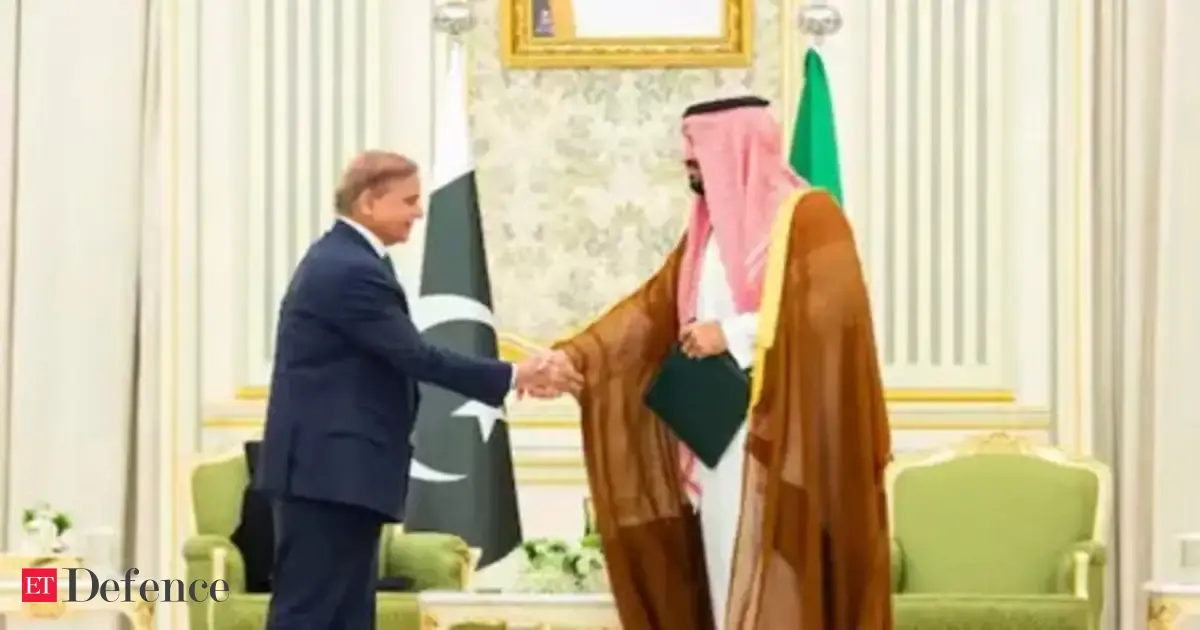
When talk turns to an "Islamic NATO," seasoned analysts usually roll their eyes. It's a convenient label that journalists use to spice up stories about shifting alliances in the Middle East. Lately, figures like MJ Akbar have been pushing for clarity regarding defense pacts involving Islamic nations and Western powers, specifically questioning the nature of these agreements. But let's be honest: the reality is rarely as dramatic as the headlines suggest.
The skepticism isn't just about terminology. It's about structural, political, and historical friction. NATO functions because member states share deep-seated security obligations and, more importantly, a unified command structure. Can anyone realistically point to a collection of nations in the Middle East or North Africa that possess that level of strategic harmony? I certainly can't.
The Myth of Unified Security
The term itself implies a monolithic bloc. It suggests that countries with wildly different national interests—Saudi Arabia, Turkey, Iran, Egypt, and others—might suddenly align their defense priorities under one umbrella. That’s a fantasy.
For one, domestic politics in these regions are volatile. A defense pact requires transparency, mutual trust, and the willingness to cede some sovereignty to a collective decision-making body. Most regimes in the region are focused on regime survival above all else. They aren't in the business of integrating their militaries with neighbors who might, under different circumstances, be seen as rivals.
When people talk about the "Mecca Pact" or similar initiatives, they often overlook the actual mechanics of these agreements. Usually, they are loose security cooperation frameworks. They deal with intelligence sharing, border security, or counter-terrorism. That’s a far cry from Article 5 of the North Atlantic Treaty, which treats an attack on one as an attack on all.
Why Clarity Is Rarely Provided
MJ Akbar and others are right to demand clarity. If these agreements are being positioned as a shield against external threats or regional destabilizers, the public deserves to know the terms. Yet, governments almost never provide it.
Why? Because ambiguity is a tool.
By keeping the parameters of a defense pact fuzzy, leaders can project strength to their domestic audiences while avoiding binding commitments that might draw them into unwanted conflicts. If a government says, "We have a defense agreement," but refuses to define its limits, they maintain the ability to pick and choose when to act. They don't want a "NATO." They want a menu of options.
Geopolitical Realities in 2026
The strategic environment today is more fractured than ever. Major powers—the US, China, Russia—are all vying for influence. Middle Eastern states are playing a sophisticated game of hedging their bets. They buy equipment from the US, technology from China, and maintain diplomatic channels with Russia.
Trying to shove these nations into a rigid, singular military alliance is like trying to force square pegs into round holes. It ignores the specific motivations of each actor:
- Economic Survival: Many nations are currently prioritizing internal economic stability over regional military adventurism.
- Sovereignty Concerns: No major player in the region is looking to outsource their defense decision-making to a multilateral body they don't fully control.
- Internal Security: The biggest threat to most of these governments isn't an external invader. It’s internal dissent or economic collapse. A "NATO" doesn't help with that.
Moving Past the Headlines
If you're trying to figure out what's actually happening, stop looking for an "Islamic NATO." Instead, look for bilateral security agreements. Look for specific arms deals and intelligence-sharing protocols between two countries. That's where the real action is.
We need to stop using reductive labels that mask the complexity of international relations. The Middle East isn't waiting for a Western-style military structure to solve its problems. It's working through complex, often messy, bilateral arrangements that serve the immediate interests of the ruling elites.
If you want to understand how regional security is evolving, track the money and the specific equipment transfers. Watch the intelligence cooperation on specific threats like border smuggling or maritime security. Forget the grand designs. Focus on the mundane, transactional reality of how these states actually secure themselves. Everything else is just noise.