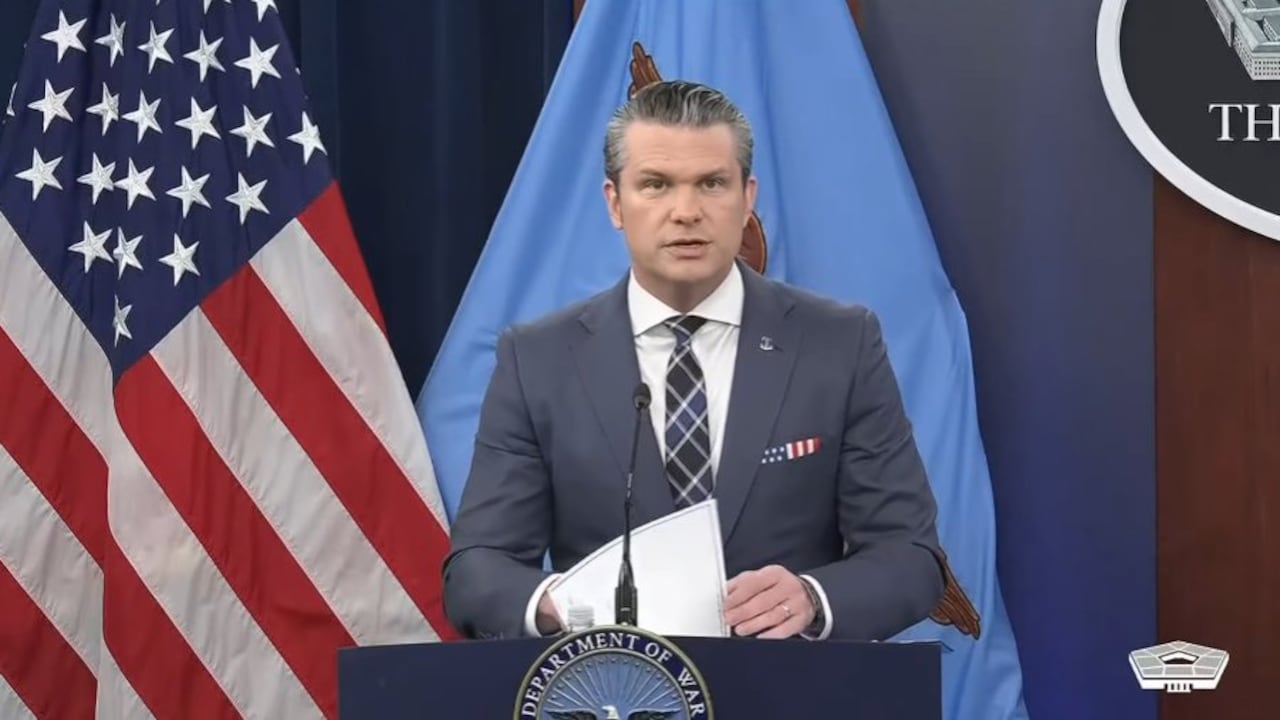
Washington is fracturing over the Middle East. When a sitting lawmaker from the president's own party moves to impeach a cabinet member, you know normal political gravity has failed.
Kentucky Representative Thomas Massie just introduced eight articles of impeachment against U.S. Defense Secretary Pete Hegseth. The core accusation? Illegally waging an unauthorized war against Iran and abusing executive power at the Pentagon. This isn't just standard political theater. It's a high-stakes constitutional showdown happening in the immediate shadow of a crushing midterm election defeat for the GOP.
The Anatomy of the Impeachment Push
Let's look at what's actually happening on Capitol Hill. Massie's resolution targets the administration's handling of the ongoing Iran conflict, arguing that launching and escalating military operations past the 90-day mark without explicit congressional authorization violates the War Powers Resolution and Article I of the Constitution.
Cabinet impeachments are exceptionally rare. They require an intense mix of legislative momentum and deep partisan fracture. Massie's gamble is that ticking clock of the lame-duck congressional session. With Republicans holding a razor-thin and now-deposed majority until January, a vote could hit the House floor faster than leadership can contain it.
If you look closely at the political math, this move is preemptive damage control. Massie has openly warned that if the administration doesn't address the Pentagon leadership issue now, an incoming Democratic majority will launch full-scale trials and hearings next year anyway.
The White House Defense and Cabinet Loyalty
Naturally, the administration isn't rolling over. Defense Secretary Pete Hegseth dismissed the resolution on social media, labeling it the work of a defeated, disgruntled congressman working in tandem with the opposition. Trump has doubled down on his support, maintaining that Hegseth is executing a necessary strategy against Iran.
Other heavyweights are rallying to the Pentagon chief's corner. Secretary of State Marco Rubio publicly defended Hegseth while on a diplomatic trip to Paris, calling the impeachment push unfair and praising his colleague's work ethic.
Yet, anxiety is bleeding through Republican ranks. Behind closed doors, party strategists worry that a prolonged brawl over Hegseth's future will hijack critical legislative items, including the upcoming defense budget package.
What the Public Data and Polls Show
Public sentiment on the Iran engagement has been deeply divided from day one, leaning heavily toward executive accountability. Polling data from sources like YouGov indicates that a slim majority of Americans support congressional oversight and potential punitive measures against officials who bypass Capitol Hill for extended military campaigns.
Voters are exhausted by endless foreign entanglements without clear exit strategies. When defense leads are seen as deflecting questions about timelines and objectives, legislative backlash becomes inevitable.
Where This Goes Next
The House faces a mandatory window to address the resolution once introduced, forcing members of both parties onto the record. Even if the current measure falls short due to the fast-expiring GOP majority calendar, the precedent has been set.
The battle over war powers is back at the center of American politics. Watch the floor votes closely this week. They will dictate how much leash the executive branch has left before the new Congress takes the gavel and opens formal investigations.