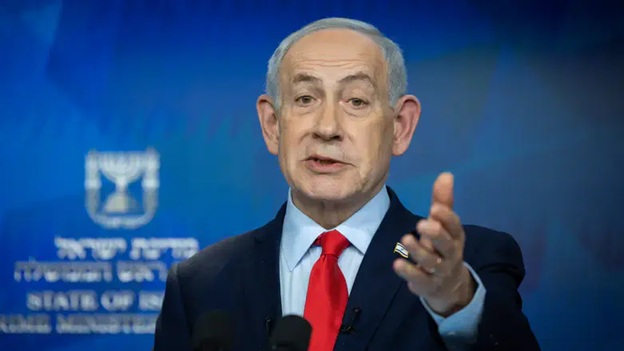
Geopolitical summits usually produce mountains of paperwork that end up forgotten in digital filing cabinets. But when Defence Minister Rajnath Singh stepped up at the Shanghai Cooperation Organisation Council of Heads of Government meeting in Dushanbe, his message carried weight. India isn't just sitting back during global economic turbulence. It's backing the roadmap meant to steer trade through the next four years.
Let's look past the diplomatic pleasantries. What does this actually mean for global supply chains, and why should anyone outside government offices care?
Breaking Down the 2026 to 2030 Trade Agenda
The core of the discussion in Tajikistan centered around the updated Action Plan for the Implementation of the Programme of Multilateral Trade and Economic Cooperation. Spanning from 2026 to 2030, this framework targets a very specific set of headaches plaguing international commerce right now.
Supply chains are brittle. Conflicts stretch shipping lanes to their breaking points. Food and energy security feel less like permanent certainties and more like daily anxieties.
Singh didn't sugarcoat the reality of the situation during his address. He pointed directly to how geopolitical tensions and conflicts are fracturing global trade routes. When a cargo vessel has to take a massive detour or energy costs spike overnight, ordinary people pay the price at the grocery store and the petrol pump.
By throwing its weight behind the new SCO action plan, New Delhi is signaling that regional integration needs to focus on predictable, transparent, and stable economic conditions. It’s an acknowledgment that old trade routes are breaking down and new cooperative frameworks must take their place.
The Push for Resilient Supply Chains and Tech Integration
You can't talk about modern trade without talking about technology. Singh emphasized that new technology is transforming economies while simultaneously creating fresh divides. If you don't build bridges, those technological gaps turn into chasms.
India's stance at the Dushanbe summit boiled down to a few practical pillars:
- Resilience Over Speed: Building supply networks that can absorb geopolitical shocks rather than collapsing when a single regional conflict flares up.
- Inclusive Growth: Making sure trade agreements don't just line the pockets of massive conglomerates, but actually reach the everyday citizen.
- Technology-Driven Development: Utilizing digital tools to make cross-border investments simpler and trade logistics less bureaucratic.
It's easy for multilateral organizations to issue broad declarations that sound good on paper and mean nothing in practice. But India's specific focus on making trade convenient and investment transparent speaks to ongoing frustrations with red tape across Eurasian corridors.
Beyond the Podium Bilateral Talks in Tajikistan
A summit isn't just about what happens on the main stage. The real groundwork gets laid behind closed doors.
While in Dushanbe, Singh held targeted talks with regional leaders. He sat down with Tajikistan Prime Minister Qohir Rosulzoda to reinforce civilisational ties and deep people-to-people connections. He also met with Tajikistan's defense counterpart Emomali Sobirzoda to dial in specifics on bilateral defense cooperation, focusing heavily on capacity building and training.
Another notable interaction happened with Iran's First Vice President Mohammad Reza Aref. Given the strategic importance of transit routes like the International North-South Transport Corridor, these conversations matter. You can't talk about multilateral trade without securing the physical pathways that make it move.
What Happens Next
The real test of the 2026–2030 trade action plan won't happen in a conference hall in Tajikistan. It will happen on the ground when member states have to drop protectionist barriers, streamline customs protocols, and keep trade channels open despite external pressures.
India has made its position clear. Engagement must be inclusive, supply chains must survive the next crisis, and economic benefits have to trickle down to the working class. If the rest of the SCO follows through on those benchmarks, regional trade might just weather the storms ahead.