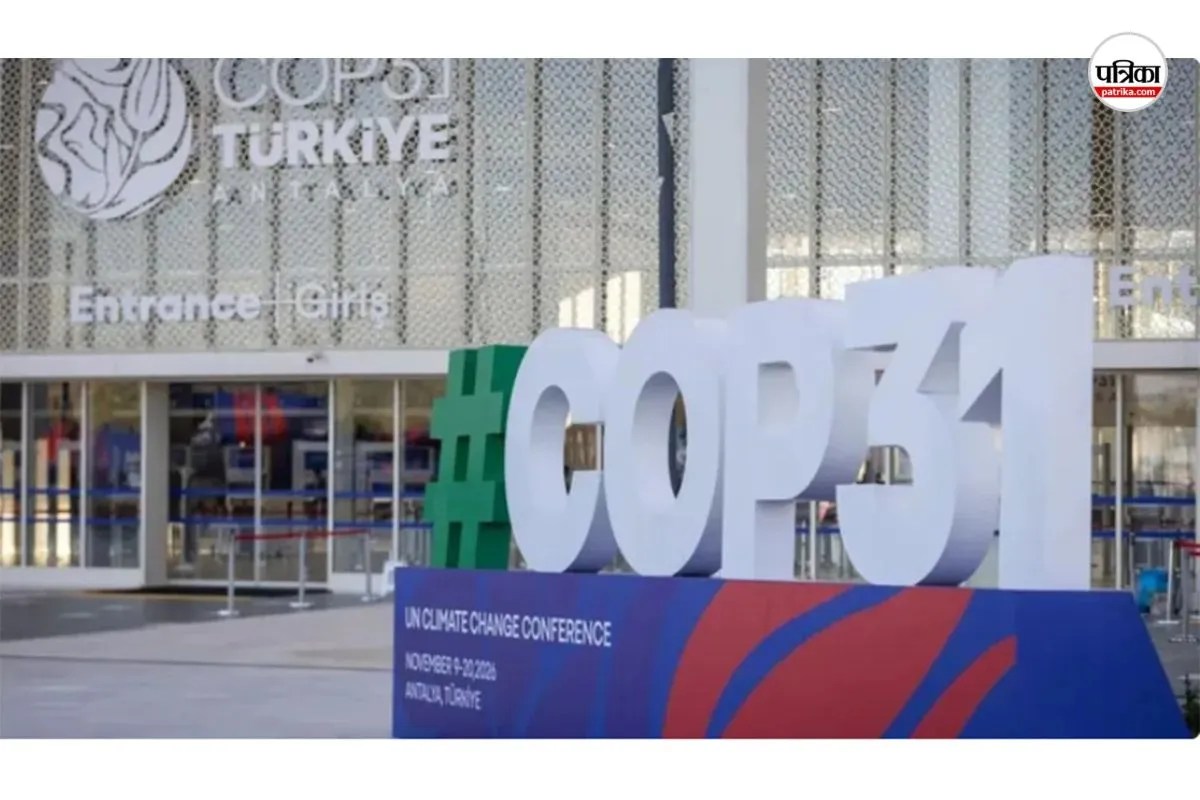
For over three decades, international climate summits have followed a predictable script. Rich nations make grand promises in front of flashing cameras, while developing countries point out that the money never actually arrives. That friction is front and center once again at the COP31 climate conference in Antalya, Türkiye.
India’s delegation didn't mince words during the opening statements. Representing New Delhi, Ministry of Environment, Forest and Climate Change Secretary Narendra Bhooshan put the spotlight back where it belongs: the broken financial promises of the Global North. When you look past the diplomatic pleasantries, the core message is simple. Wealthy nations created the climate crisis, but they expect emerging economies to foot the bill.
The Three-Decade Disconnect Between Pledges and Reality
We've been doing this dance since the 1992 Rio Earth Summit. Back then, the framework was laid out to stabilize greenhouse gases. Fast forward through the Kyoto Protocol and the landmark Paris Agreement, and the pattern remains identical. Commitments get signed, deadlines pass, and developing economies are left scrambling.
Take the infamous 2009 Copenhagen pledge. Developed countries promised to mobilize 100 billion dollars a year by 2020 for developing nations. That target was missed and delayed, and when funds finally trickled in, a massive chunk arrived as high-interest loans rather than direct grants. That distinction matters. Loans push vulnerable nations deeper into sovereign debt just to clean up a mess they didn't create.
At COP31, India explicitly highlighted Article 9.1 of the Paris Agreement. This provision legally obligates developed nations to provide financial resources to assist developing countries. Yet, actual public finance flows pale in comparison to what is required on the ground.
Why Adaptation and Equity Take Center Stage
The conversation at Antalya isn't just about reducing emissions anymore. It's about survival. The UN Environment Programme's Adaptation Gap Report makes it painfully clear that developing nations face hundreds of billions in annual adaptation needs just to cope with extreme weather.
When floods wipe out infrastructure in parts of Asia or severe droughts threaten agriculture across the Global South, abstract emission targets don't rebuild homes. Money does.
India's stance centers on the foundational principle of Common But Differentiated Responsibilities and Respective Capabilities (CBDR-RC). This isn't just bureaucratic jargon. It's a reminder of historical reality. Industrialized nations have consumed the vast majority of the global carbon budget since the industrial revolution. Expecting a developing nation to halt economic growth, lift millions out of poverty, and fund a green transition entirely on its own dime is completely unrealistic.
The Problem with Unilateral Green Trade Barriers
Beyond direct finance, another quiet battle is brewing over trade measures. Rich regions are introducing unilateral carbon border adjustments that penalize imports from developing nations based on their carbon footprint.
From India's perspective, these rules function as protectionist trade barriers disguised as environmentalism. If developed countries want strict carbon compliance, they need to supply the concessional finance and green technology transfer required to make it possible. You can't choke off access to affordable technology through strict intellectual property barriers and then penalize developing nations for using older energy systems.
What Needs to Happen Next
The days of accepting voluntary, non-binding targets with zero accountability are over. If COP31 is going to amount to more than empty rhetoric, rich nations need to stop treating climate finance as charity and start treating it as an obligation.
True progress requires predictable, public, grant-based funding that respects the sovereignty and developmental goals of the Global South. Until developed countries step up to honor their three-decade-old commitments, climate diplomacy will remain an exercise in frustration.