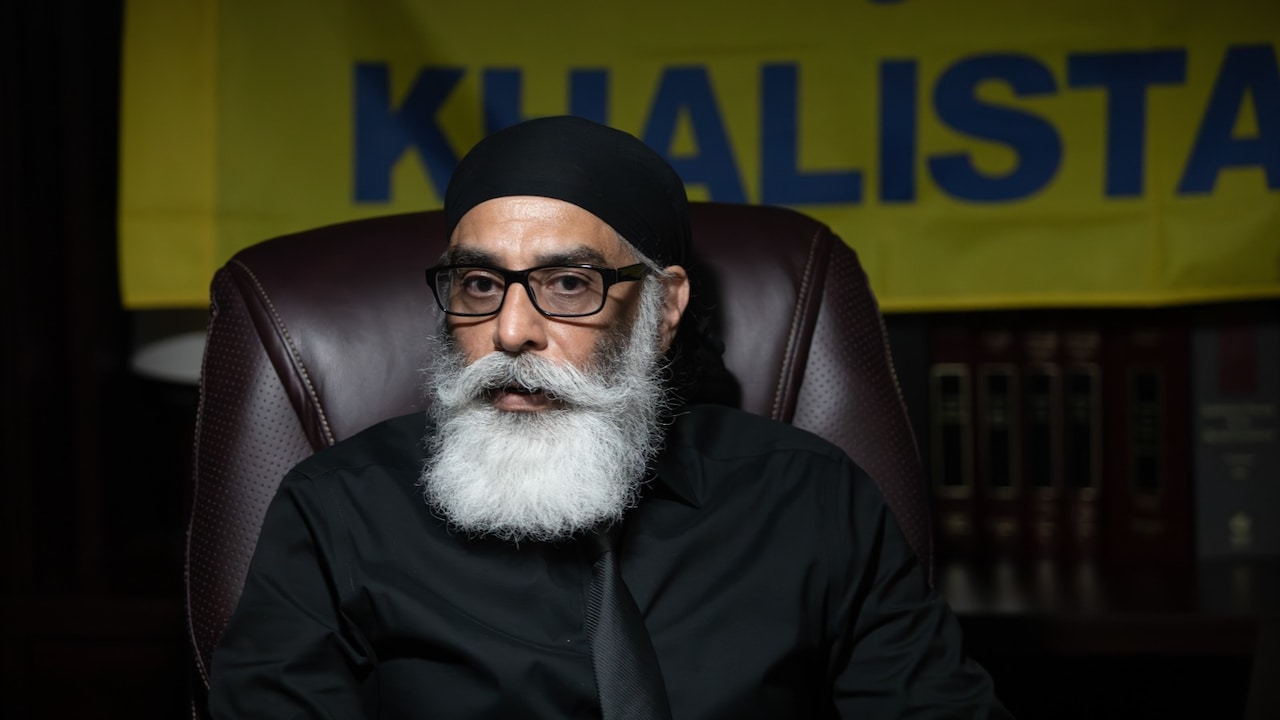
New Delhi isn't mincing words about Gurpatwant Singh Pannun anymore. When a designated terrorist tries to weaponize foreign courtrooms for political theater, governments eventually stop playing defense. The Ministry of External Affairs officially blasted Pannun's latest legal maneuvers in the United States, calling the claims what they are: fabricated, malicious noise.
If you've been tracking the messy intersection of cross-border separatism, intelligence leaks, and Western litigation, this escalation shouldn't surprise you. But beneath the diplomatic headlines, a much larger battle is playing out over how sovereign nations handle transnational threats.
Cutting Through the Legal Posturing
Let's look at what's actually happening on the ground. Pannun, who heads the banned Sikhs for Justice outfit, has continuously used American judicial avenues to target top Indian leadership, including National Security Adviser Ajit Doval and former intelligence chiefs. His strategy relies on filing civil complaints to generate media storms, forcing foreign offices into awkward diplomatic positions.
New Delhi's response through MEA spokesperson Randhir Jaiswal was direct: India completely rejects the allegations and the lawsuit. There's no room for ambiguity here. India views these filings as an extension of a hostile propaganda campaign rather than legitimate legal grievances.
The Broader Reality of the US Proceedings
To understand why New Delhi is reacting so sharply, you have to look at the parallel criminal tracks in American courts. Federal prosecutors previously brought charges regarding an alleged foiled murder plot, involving individuals like Nikhil Gupta, who later entered a guilty plea in early 2026.
However, India has consistently maintained that any rogue actions or individual plots do not reflect state policy. The state-level denials haven't stopped activists and separatists from attempting to drag high-ranking Indian officials directly into civil litigation. Pannun's team loves to claim that formal summons or complaints have been successfully served during high-level diplomatic visits. US courts have pushed back on some of these theatrical claims, noting that proper service did not occur during visits like Doval's trip to Washington.
Why This Matters for Global Diplomacy
Transnational repression claims have become a diplomatic headache for Washington and New Delhi alike. Both capitals want to keep their strategic partnership intact, especially with bigger geopolitical chess pieces moving across the Indo-Pacific. Yet, allowing individuals designated as terrorists by India to use Western courts as platforms for political disruption creates friction.
India's hardline rejection signals a shift from quiet diplomacy to loud pushback. Instead of ignoring the lawsuits to starve them of oxygen, New Delhi is actively branding them as malicious attacks designed to subvert international law.
What Comes Next
Expect more legal posturing from separatist groups, but don't expect India to change its stance. New Delhi has made it clear that cooperating with international security concerns doesn't mean opening the door for bad-faith actors to manipulate foreign legal systems. The line has been drawn, and India isn't stepping back across it.