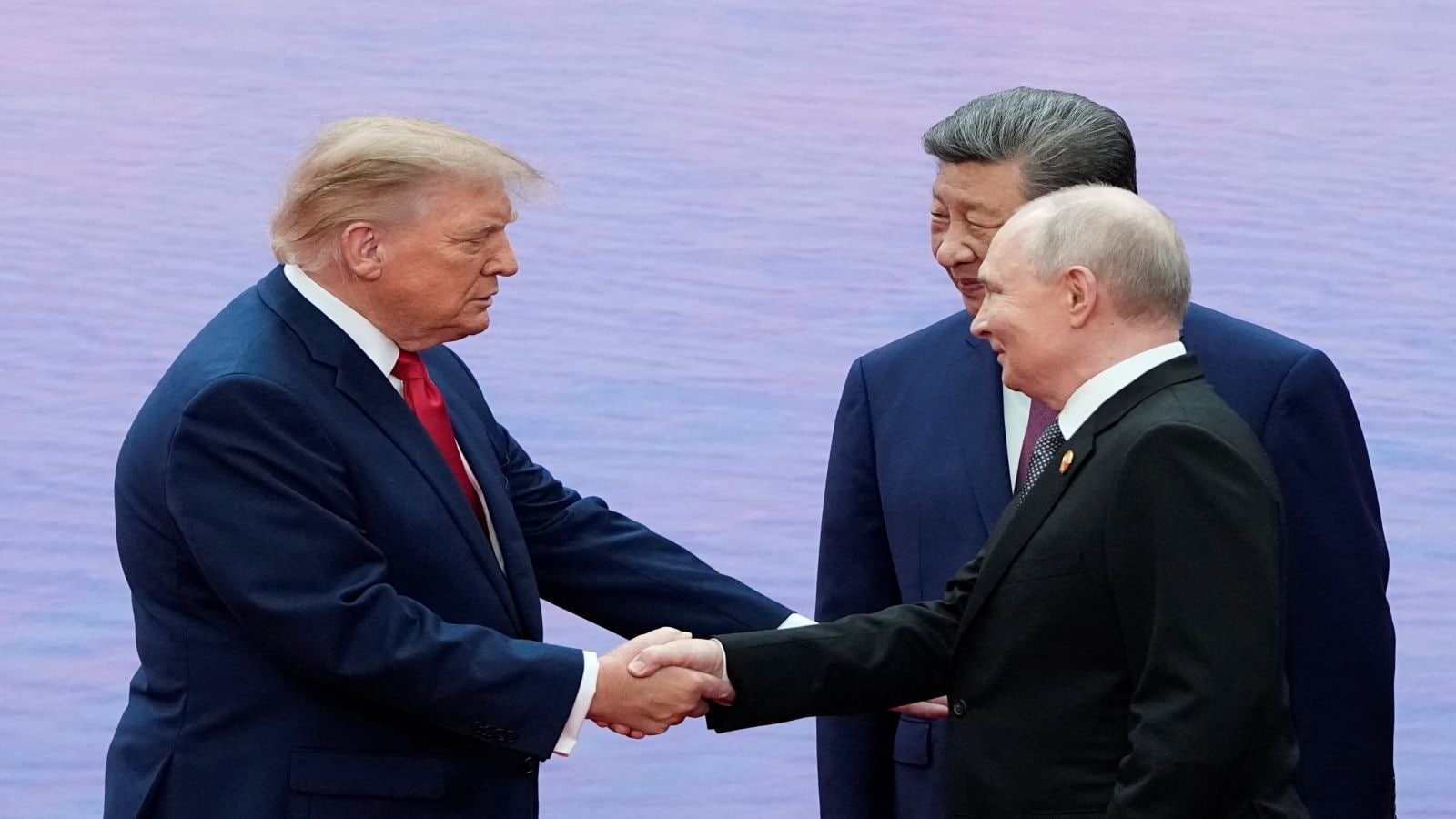
Can India actually pull off the diplomatic tightrope of mediating talks between Donald Trump, Vladimir Putin, and Xi Jinping? Honestly, that's the question everybody in foreign policy circles is chewing on right now.
Let's be real. Getting Washington, Moscow, and Beijing in the same room with anything resembling a shared agenda sounds like a diplomatic fantasy. Each leader walks into big summits with wildly different priorities—from Ukraine and nuclear arms control to Middle East conflicts and trade truces. Yale's Stephen Henriques has pointed out how high the pressure is on Trump to lock in tangible wins after bilateral moves between Xi and Putin, noting that Moscow and Beijing look like they've already gained ground heading into major bargaining moments. When three heavyweights clash like that, a credible middleman matters. And New Delhi is one of the very few capitals that still talks openly to all three.
Still, calling India a guaranteed mediator misses half the story. New Delhi isn't sitting in a neutral bubble. It has skin in the game on energy, trade, defense, and border security, and its own balancing act gets trickier by the month.
Why India Mediate Talks Between Trump, Putin, and Xi Isn't Just Wishful Thinking
Most countries pick a side and stick to it. India refuses. For decades, New Delhi built its foreign policy around strategic autonomy—what analysts today often call multi-alignment. It looks pretty messy from the outside, kinda like juggling three spinning plates while riding a unicycle. Yet it keeps channels open when other diplomatic lines go cold.
Think about the overlap India actually has with each capital:
- With Washington: India sits inside security groupings like the Quad alongside the United States, Japan, and Australia, while expanding defense, tech, and trade ties. Washington wants India as a capable Indo-Pacific partner, even when tariff disputes or sanctions friction flare up.
- With Moscow: Historical ties run deep. Russian-origin hardware still makes up a big share of India's military inventory, and discounted Russian crude oil has been a massive factor in India's energy math. New Delhi hasn't burned that bridge, even as it pushes domestic defense manufacturing and diversifies suppliers.
- With Beijing: Tensions along the Himalayan border and a steep bilateral trade deficit keep distrust high. Even so, New Delhi and Beijing still engage in diplomatic channels, Special Representatives talks, and multilateral forums like BRICS and the Shanghai Cooperation Organisation.
Very few governments have direct, working lines to all three capitals at once. That alone gives India a seat at the table of ideas—even if it isn't sitting at every formal negotiating table.
What Stephen Henriques's Warning Tells Us About the Power Dynamic
When observers like Stephen Henriques at Yale look at big-power bargaining, they focus on leverage. If Trump feels pressure to show concrete results after Xi and Putin coordinate moves, Washington's negotiating posture shifts. Moscow wants sanctions relief, security assurances, and a favorable settlement on Ukraine. Beijing wants influence, trade breathing room, and status without getting dragged into arms-control limits it doesn't want.
In that kind of standoff, a mediator doesn't need to be best friends with everyone. It just needs credibility and a reason to care. India has both. When Black Sea shipping lanes get hit or Middle East conflicts rattle oil markets and the Strait of Hormuz, Indian trade, energy bills, and seafarers feel the heat directly. Peace and stability aren't abstract talking points for New Delhi. They're wallet and security issues.
The Big Misconception About Indian Neutrality
A lot of people hear "strategic autonomy" and assume India is sitting on the fence doing nothing. That's wrong.
Strategic autonomy isn't passivity. It's a calculated refusal to become a junior partner in someone else's rivalry. When India abstained on certain UN resolutions over the Ukraine war while simultaneously urging diplomacy and telling Moscow that today's era isn't for war, critics in both camps complained. That's usually a sign a country is guarding its own interests rather than taking orders.
At the same time, let's not kid ourselves about India's limits. Being able to talk to everyone doesn't mean everyone will take your advice.
- China is a direct rival, not a partner: Beijing has zero interest in handing India a diplomatic trophy that elevates New Delhi's standing across Asia.
- Washington expects alignment on key fronts: U.S. policymakers often press India harder on Russia and China when geopolitical heat rises, sometimes using tariffs or sanctions pressure as leverage.
- Formal talks often exclude third-party brokers: Big powers love bilateral deals and backroom bargains. They rarely invite an extra voice unless it helps them break a deadlock.
So if you're expecting India to march into a room and sign a grand three-way peace treaty between Trump, Putin, and Xi, lower your expectations. That's not how great-power diplomacy works.
Where India Could Actually Make a Difference
Instead of a dramatic grand bargain, India's real value as a bridge is much more practical—and much quieter.
First, New Delhi can help test off-ramps around concrete flashpoints like maritime shipping security, energy flows, and humanitarian or ceasefire proposals where all three powers have something to lose from total escalation. Second, India speaks the language of the Global South. When Washington, Moscow, and Beijing argue over global rules, trade, or security order, billions of people in developing economies get stuck with the bill. New Delhi can remind the big three that global stability affects everyone else too.
Third, India is a test case for whether a major power can stay economically and diplomatically connected across rival blocs without breaking. Watch how New Delhi handles trade negotiations, defense supply chains, and multilateral summits over the coming months. Those moves will show you whether India's balancing act is getting stronger or starting to fray.
How to Follow This Story Without Getting Fooled by Headlines
Geopolitical commentary loves big drama. Every summit gets billed as a turning point for world order, even when leaders mostly restate old positions. You can cut through the noise pretty easily if you watch a few concrete things.
- Track actions over speeches: Look for actual changes in oil flows, tariff rates, shipping routes, or diplomatic channels—not just tough rhetoric or warm photo ops.
- Watch how India balances its partnerships: Pay attention to trade deals, defense procurement, and summit outcomes involving the U.S., Russia, China, Europe, and partners like Japan or the UK. That shows where New Delhi has real room to maneuver.
- Follow credible analysts and primary sources: Read policy briefs from think tanks, track official statements, and compare different viewpoints rather than relying on a single hot take.
India may not single-handedly resolve the deepest rivalries between Trump, Putin, and Xi. Still, in a world full of hardened camps, having a country that can pick up the phone with all three isn't nothing—it's one of the few diplomatic lifelines left.