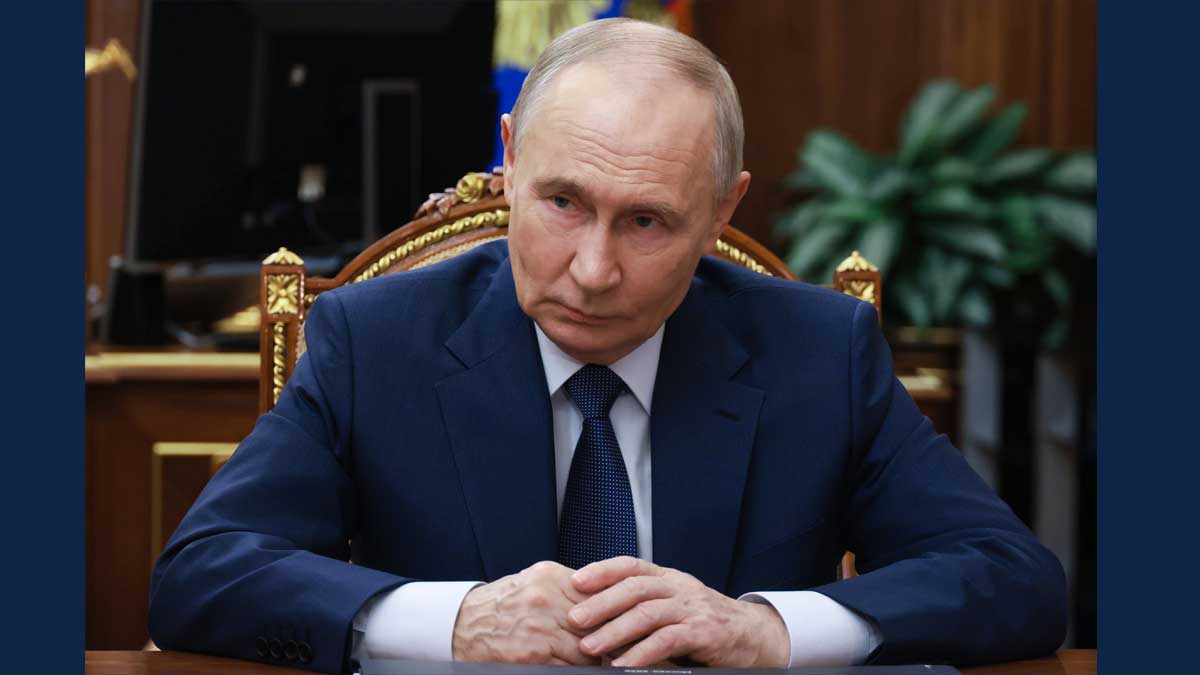
The top of the world is turning into a high-stakes maritime highway, and New Delhi wants a front-row seat. Russian President Vladimir Putin recently pointed out that India is stepping up its engagement with the Northern Sea Route. While Western sanctions choke traditional economic ties between Moscow and Europe, Russia's icy northern coast is drawing fresh attention from Asian buyers.
If you look past the geopolitical noise, this shift isn't just about defiance or crude oil. It is about geography, survival, and a desperate search for faster shipping lanes.
What the Northern Sea Route Actually Is
Forget the standard map projections you learned in school. Look at the globe from the top down, and you will see why the Northern Sea Route matters.
The route runs right across the Arctic Ocean, hugging Russia's northern coastline from the Atlantic side to the Pacific. Traditionally, cargo ships moving between Asia and Europe have relied on the Suez Canal. That old route is long, congested, and vulnerable to regional conflicts.
The Arctic passage shaves thousands of miles off the journey. For ships moving between northern ports and Asian hubs, travel times can drop by up to two weeks compared to southern routes. Climate change has melted portions of the ice cap, making these waters navigable for longer stretches of the year.
Putin knows Russia cannot tame this frozen corridor alone. Developing ports, rescue stations, and specialized ice-breaker ships requires massive capital. That is why Moscow is welcoming outside players like India and China into the fold.
Why India Cares About the Arctic
India's energy security demands diversification. Ever since global supply chains fractured following the conflict in Ukraine, New Delhi has leaned heavily into discounted Russian commodities. Moving those resources efficiently requires secure, reliable transit corridors.
India is not just looking at the overarching Arctic route in isolation. Policymakers have spent considerable energy trying to operationalize the Chennai-Vladivostok Eastern Maritime Corridor. Connecting India's southern manufacturing base directly to Russia's Far East creates an alternative trade artery that bypasses traditional Western choke points.
Beyond energy, the Russian Arctic is packed with minerals, liquefied natural gas, and raw materials. Indian companies looking for long-term resource security see massive potential in these frozen territories.
The Reality Behind the Ice
Let's be honest about the hurdles. Anyone telling you that commercial container shipping is about to flood through the Arctic tomorrow is selling you a fantasy.
The challenges are brutal:
- Harsh weather conditions can trap vessels without warning.
- Infrastructure deficits plague Russia's northern coast, meaning few deep-water ports or repair yards exist along the path.
- Ice-class vessels are expensive to build and rare in global merchant fleets.
Right now, the traffic is heavily weighted toward energy exports. Recent tracking data shows millions of barrels of Russian crude moving eastward toward Asia via these northern waters during the shipping season. It is a pragmatic workaround for a sanctioned economy, but turning it into a mainstream commercial thoroughfare for regular goods will take decades.
Geopolitical Friction Points
Moscow is already pushing back against what it calls artificial tensions in the region. NATO's expansion northward has put the Russian military on high alert, leading to heavy fortification of its Arctic coastline. Putin's recent warnings about potential crackdowns on Russia's shadow fleet by European nations highlight how hostile the broader maritime environment has become.
For India, walking this diplomatic tightrope requires finesse. New Delhi maintains strategic partnerships with Western nations while simultaneously keeping its historic economic ties with Russia alive. Engaging on the Northern Sea Route fits India's multi-alignment strategy, but it places the country right in the middle of a brewing geopolitical tug-of-war over who gets to write the rules for the melting polar caps.
Keep an eye on joint maritime working groups and bilateral shipping agreements between Moscow and New Delhi. The ice is receding, and the race for the top of the world has already begun.