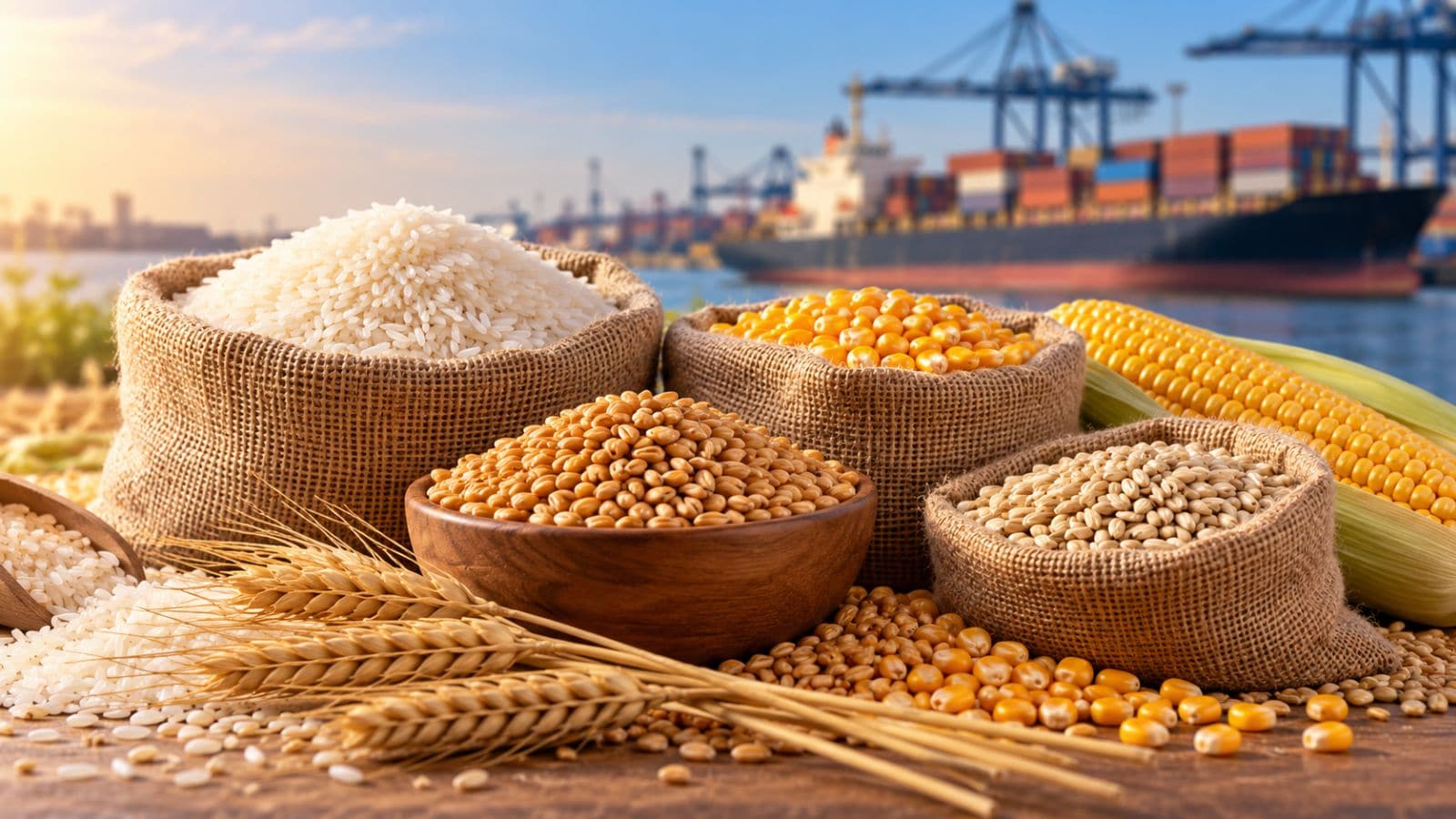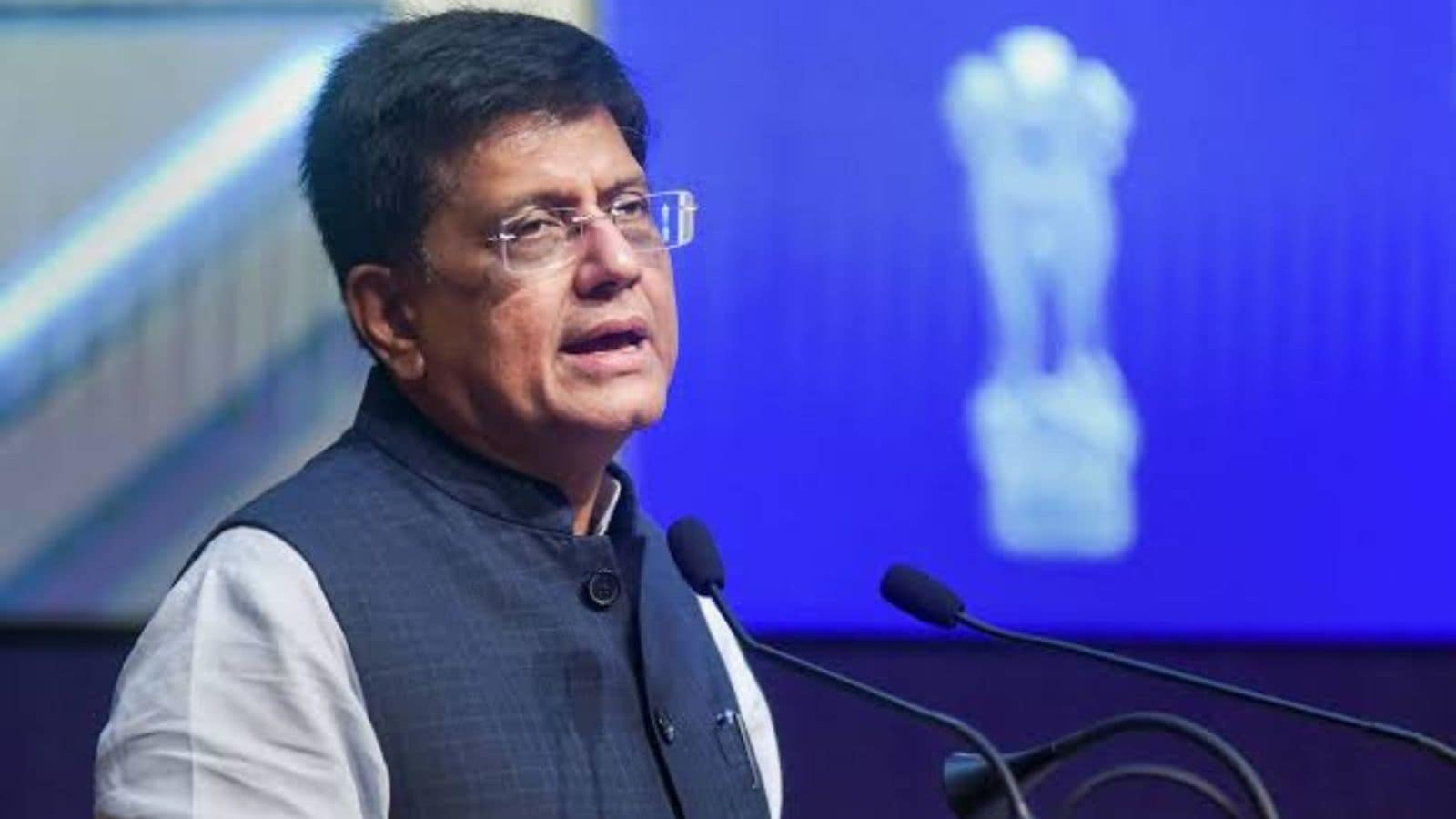
Global commerce doesn't wait for multilateral consensus. While massive trade summits often bog down in endless bureaucracy and political posturing, actual economic momentum happens behind closed doors in bilateral meetings. New Delhi has mastered this quiet art, running parallel tracks of negotiations with nations as diverse as the UAE, Mauritius, Slovakia, and Nepal. If you look past the standard diplomatic handshakes, these aren't just routine check-ins. They represent a calculated effort to secure supply chains, energy corridors, and market access on India's own terms.
The UAE Connection and Middle Eastern Corridor
You can't talk about modern Indian trade diplomacy without looking at the Gulf. The economic partnership between India and the United Arab Emirates has evolved faster than almost any other bilateral relationship in the region. Ever since the Comprehensive Economic Partnership Agreement took effect, trade volumes have smashed previous records, cruising past the $100 billion mark.
When officials sit down for recent review sessions, the focus isn't just on selling more petroleum or gems. It's about deep integration. Abu Dhabi Investment Authority setting up shop in Gujarat's GIFT City changes the financial plumbing between the two countries. It means capital moves faster, joint investments in infrastructure bypass traditional currency bottlenecks, and energy security gets locked in through long-term supply deals.
Most people miss the real story here. This isn't just about bilateral exchange; it's about using the UAE as a launchpad into broader Middle Eastern and African markets. Indian manufacturers get proximity, and Emirati funds find high-growth deployment avenues. That is what actual economic synergy looks like without the corporate buzzwords.
Navigating European and Regional Realities with Slovakia and Mauritius
While oil-rich Gulf states grab headlines, talks with European partners like Slovakia tell a completely different story. India's engagement with Central European economies focuses heavily on advanced manufacturing, automotive components, and technology transfer. Slovakia houses massive automobile plants, and Indian engineering firms increasingly look to Central Europe as a gateway to the broader European Union market.
At the same time, financial diplomacy with Mauritius remains critical. Mauritius has historically served as a primary conduit for foreign direct investment into India. Recent bilateral administrative updates focus on tightening compliance while keeping capital flows smooth, ensuring that institutional investors don't face sudden regulatory shocks. It's a delicate balancing act between plugging tax loopholes and maintaining investor confidence.
The Ground-Level Stakes With Nepal
Closer to home, trade meetings with neighbors like Nepal carry immediate, visceral impacts on local economies. These aren't abstract talks about high-tech manufacturing; they deal with transit routes, border trade infrastructure, power exchange agreements, and agricultural supply chains.
When trade committees meet to iron out transit treaty bottlenecks, the objective is straightforward: lower the cost of doing business across the border. Delays at checkposts cost millions in perishable goods and manufacturing components. By modernizing border customs posts and integrating digital tracking, both nations are trying to remove friction that has bogged down commerce for decades.
What This Means Moving Forward
If you're running a business or tracking macroeconomic trends, these bilateral meetings matter because they dictate where capital flows next. Big trade agreements get the press releases, but mid-level bilateral committees write the actual rulebook.
Stop viewing international trade as a monolithic global system. It's a patchwork of individual deals, customized concessions, and bilateral trust. Pay attention to which countries New Delhi is sitting down with next, because that tells you exactly where the future of supply chain resilience is heading.
Fubu Toy review
This video provides a direct look at the high-level diplomatic discussions and trade objectives driving India's modern bilateral partnerships.