Geopolitics rarely stays contained to borders. When a missile slammed into Riyadh's King Khalid International Airport, it didn't just rattle the physical terminals. It sent shockwaves straight through global capitals, drawing an immediate, sharp response from New Delhi.
Twelve people died. Over three hundred others suffered injuries. For India, a nation with millions of expatriates living and working across the Gulf, watching civilian infrastructure turn into a combat zone isn't a distant news ticker item—it hits home.
New Delhi didn't mince words. The Ministry of External Affairs called the repeated strikes on civilian hubs completely unacceptable. When you look at the mounting casualties, that strong stance makes complete sense.
What Actually Happened at King Khalid International Airport
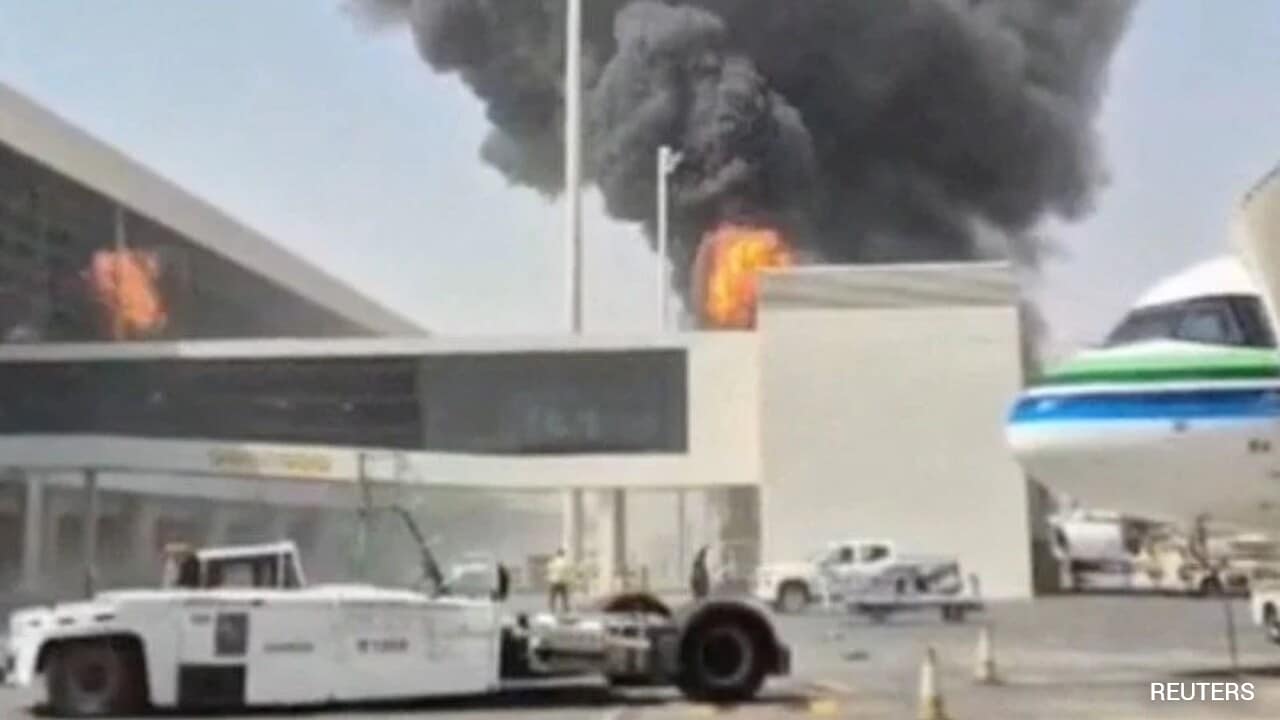
The attack on October 10 marked a terrifying escalation. A missile struck the complex housing terminals three and four, which primarily handle domestic flights. It wasn't a stray projectile. It was part of a coordinated series of strikes that targeted Saudi airspace, transforming a routine travel hub into a disaster zone.
The human toll reflects a tragic international mix. Victims included four Saudi citizens, two Bangladeshi nationals, a Palestinian, an American, an Egyptian, a Jordanian, a Syrian, and a Sudanese worker.
Operations ground to a halt. Authorities diverted flights, suspended schedules, and scrambled to secure the area. A Saudi-led coalition immediately pointed fingers at Iran-backed Houthi rebels operating out of neighboring Yemen.
Why India's Reaction Matters Right Now
India's foreign policy usually walks a careful diplomatic tightrope in the Middle East. New Delhi maintains strong ties with various regional powers, balancing energy security with trade partnerships.
So why come out so hard against the Houthis?
First, the safety of the Indian diaspora is non-negotiable. Millions of Indian citizens live across Saudi Arabia, sending home vital remittances and driving local industries. When airports and civilian infrastructure become targets, families back home panic.
Second, global supply chains and aviation safety rely on strict adherence to international law. Targeting major international transit hubs crosses a red line that trading nations cannot ignore. By calling the attacks unacceptable, New Delhi signaled that attacks on civilians forfeit any political justification.
The Collapsing Truce and Regional Spillover
The roots of this violence run deep. A four-year, UN-brokered truce in Yemen collapsed back in July. Since then, the conflict has roared back to life with a vengeance.
The Houthis have launched waves of drones and missiles toward Saudi targets, including oil facilities and refineries. This latest airport strike is the deadliest single incident on Saudi soil in over a decade, and it threatens to drag other superpowers back into a messy quagmire.
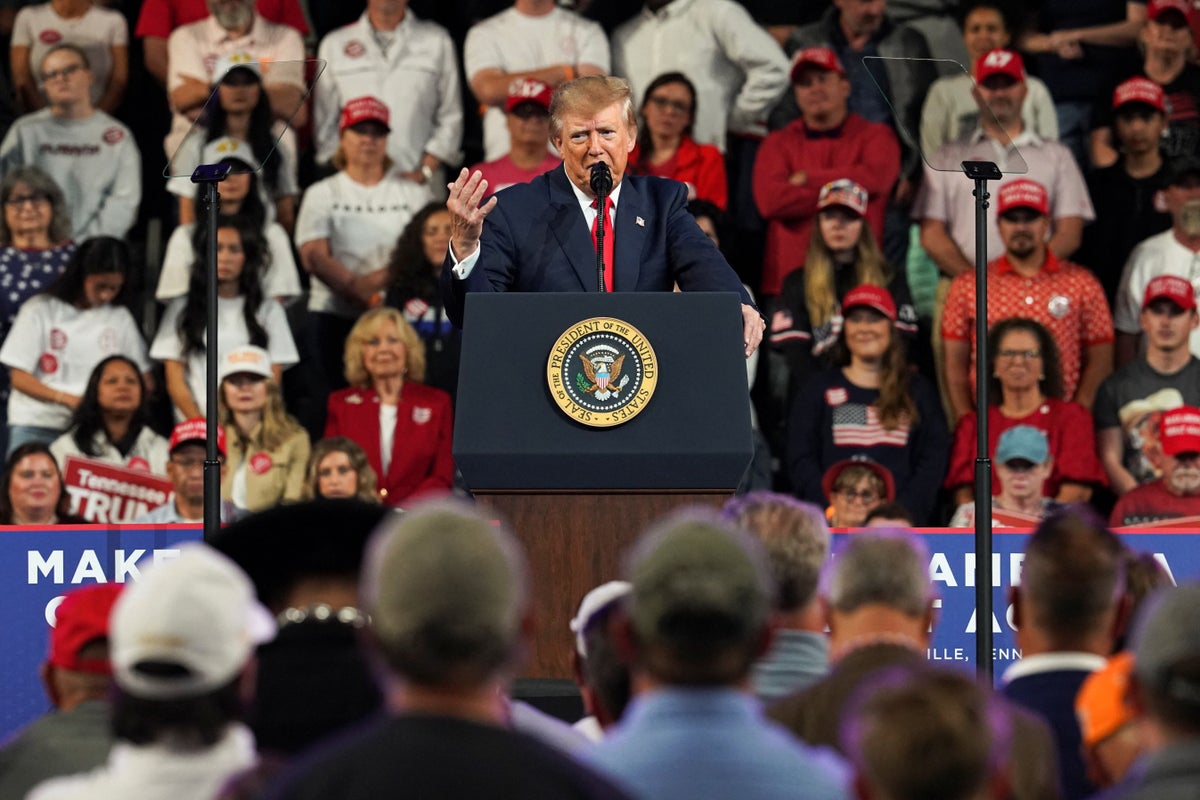
Washington is watching closely. US President Donald Trump noted that Washington might weigh joining Saudi strikes in response to the escalation. If the United States military steps up direct involvement, the war in Yemen risks expanding into a much wider regional conflagration.
Looking Ahead
Geopolitical tensions rarely resolve themselves quickly. As Saudi air defenses stay on high alert and Western nations issue travel warnings, the immediate priority remains protecting civilian lives.
For India, the focus stays squarely on diplomatic solidarity with Riyadh and safeguarding its citizens abroad. The message delivered by New Delhi is simple: targeting innocent people at an international airport crosses every acceptable boundary of conflict.
Keep a close eye on upcoming security briefings and aviation advisories if you have travel plans heading through the Gulf corridor this week. Expect tighter security checks, sudden flight diversions, and continued volatility across regional airspace.