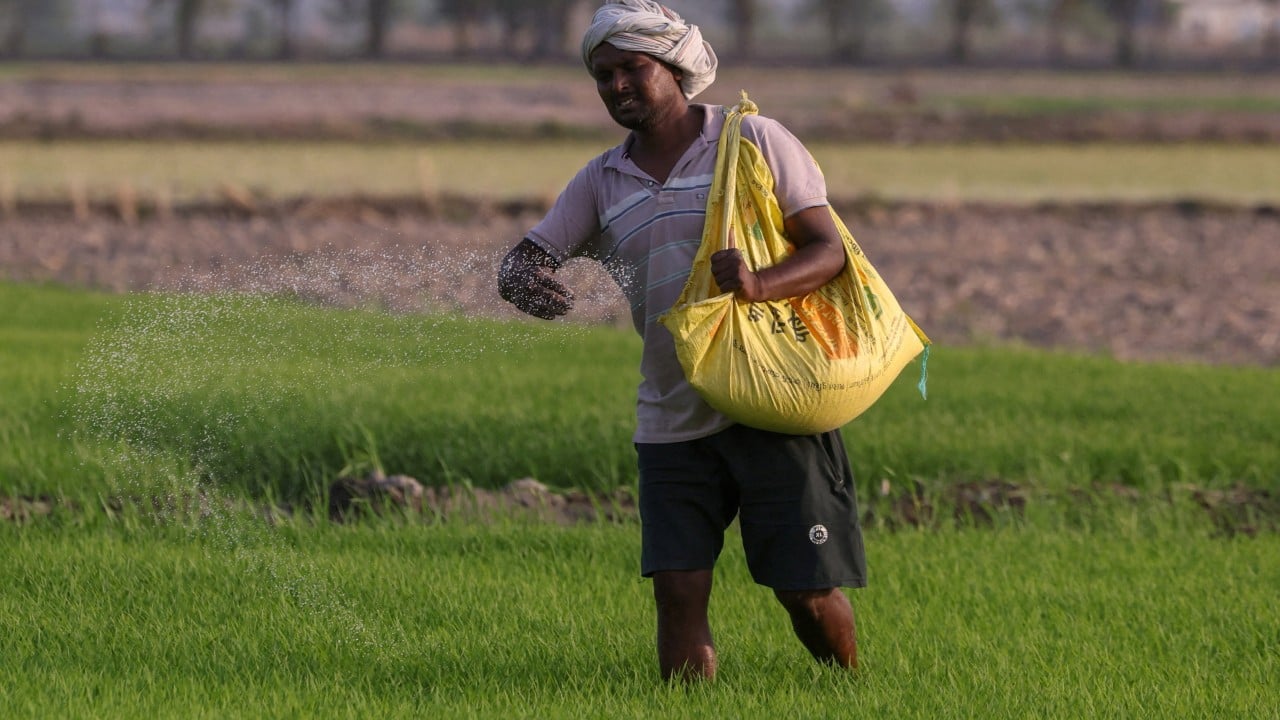
When the skies over the Indo-Gangetic plains turn from bruised purple to blistering blue without dropping a single cloud, rural households stop shopping. It's a simple, brutal equation that Wall Street analysts often miss while staring at India’s glittering urban tech parks. Over half of the nation's workforce depends on agriculture, and agriculture depends entirely on the whims of a chaotic summer deluge. When the rains fail or arrive all at once in destructive bursts, the shockwaves tear straight through local bazaars, tractor showrooms, and consumer goods conglomerates.
You’re looking at a severe spending slowdown across the countryside, and it has everything to do with how water moves—or refuses to move—across millions of small farms. If you liked this piece, you might want to check out: this related article.
The Real Cost of a Broken Weather Cycle
Let’s talk numbers. The southwest monsoon season accounts for the vast majority of India's annual precipitation, feeding the Kharif summer crops like rice, pulses, and oilseeds while recharging underground aquifers for the winter Rabi season. But recent data from meteorological agencies shows cumulative rainfall falling significantly below the long-term average, mirroring some of the weakest dry spells seen in over a decade.
When fields crack open from lack of moisture, farmers don't buy new motorcycles, television sets, or packaged soaps. They scramble for survival. Take small-business operators in agricultural hubs like Karnal, who watch their daily foot traffic vanish the moment crop yields take a direct hit. Store owners report that villagers slash discretionary purchases to the absolute bone, hoarding cash for basic staples and escalating groundwater irrigation costs. For another perspective on this event, check out the recent update from MarketWatch.
Why Urban Consumers Will Feel the Pinch Next
If you live in Mumbai, Bengaluru, or Delhi, you might assume rural distress stays locked in the provinces. That’s a dangerous illusion. India’s food inflation operates on a hair-trigger. When erratic downpours ruin onion, tomato, and pulse harvests, urban grocery bills skyrocket overnight.
Higher food prices squeeze urban household budgets, forcing city dwellers to cut back on discretionary spending too. It creates a dual-engine slowdown:
- Rural areas stop buying because farm incomes shrivel from withered harvests.
- Urban areas stop buying because food inflation eats up disposable income.
Corporations ranging from fast-moving consumer goods giants to entry-level automotive brands rely heavily on these twin purchasing engines. When both stall simultaneously, quarterly earnings reports turn ugly, dragging down broader market confidence.
The Hidden Energy and Water Squeeze
Beyond the fields, an erratic monsoon triggers a vicious cycle within national infrastructure. As surface reservoirs run dry, hydroelectric generation drops sharply. At the same time, blistering dry heat spikes urban cooling demand. The grid faces an unprecedented double punch: lower clean power generation combined with surging electricity consumption.
To keep irrigation pumps running when canals dry up, farmers draw heavily from groundwater tables, driving up rural diesel consumption. This reliance on fossil fuel backups during weather crises illustrates how climate volatility directly inflates operating costs across the economy.
What Happens Next
Policymakers are already scrambling to manage water budgets and plan upcoming winter sowing patterns, but government advisories cannot replace actual water in the soil. If you're tracking emerging markets or managing supply chains tied to South Asia, stop looking only at headline gross domestic product figures. Keep your eyes on reservoir levels and regional precipitation charts.
The economic fallout from a erratic weather pattern isn't a temporary blip. It's a structural warning sign that climate volatility is now a primary driver of consumer demand, inflation, and market stability. Plan your exposure accordingly, because the ripple effects are only just beginning to hit the broader economy.
India's Monsoon Weakens To Lowest Level In 17 Years
This video provides an in-depth look at how the weakened monsoon season is directly impacting agricultural outputs and consumer markets across India.
http://googleusercontent.com/youtube_content/1