When a top judicial authority offhandedly compared frustrated young jobseekers to insects during a court hearing, nobody expected a massive political movement to sprout from the insult. Yet that's exactly what happened with the Cockroach Janta Party. What began as a single satirical post on X asking "What if all cockroaches come together?" quickly evolved into a millions-strong digital army and a physical force marching on New Delhi.
If you've been following the sudden wave of youth anger across India, you're looking at a boiling point years in the making. Young graduates aren't just angry about an insensitive metaphor. They're furious about repeated paper leaks in major competitive exams like NEET-UG, widespread unemployment, and a system that feels rigged against anyone without political connections. The Cockroach Janta Party gave that frustration a name, a platform, and an unexpected path onto the streets.
The Insult That Sparked a Youth Uprising
The entire phenomenon started when Chief Justice of India Surya Kant made controversial remarks during a Supreme Court proceeding. Critics immediately caught onto words comparing certain activist youths and unemployed graduates to "parasites" and "cockroaches." Though official clarifications later claimed the remarks referred strictly to individuals operating with fake degrees or dubious intentions, the damage was already done.
Abhijeet Dipke, a 30-year-old public relations graduate living in the United States, saw the comments online and felt a surge of indignation. He posted a simple, sarcastic question on social media asking what would happen if all these "cockroaches" decided to unite.
The post blew up instantly.
Within days, Dipke launched a parody website and social media profiles under the banner of the Cockroach Janta Party (CJP)—a direct, satirical jab at Prime Minister Narendra Modi's ruling Bharatiya Janata Party (BJP). The slogan was simple: A political party for the people the system forgot to count.
In under two weeks, CJP's Instagram page amassed millions of followers, briefly outpacing official party accounts and sparking frantic attempts by authorities to restrict the movement's digital reach.
Exam Leaks and Unemployment Created the Powder Keg
Satire gets clicks, but real-world grievances drive people into the streets. The Cockroach Janta Party wouldn't have grown beyond a meme if India's youth weren't already pushed to the brink.
The primary catalyst was a series of high-profile examination paper leaks, most notably involving the NEET-UG entrance tests that dictate the futures of hundreds of thousands of medical aspirants. For students who spend years studying 14 hours a day in cramped coaching centers, news of compromised question papers wasn't just unfair—it was devastating. Tragically, the stress and shattered dreams contributed to a wave of student suicides, turning academic frustration into deep public grief.
Here is what made the CJP message resonate so deeply:
- Structural Job Stagnation: Despite headline economic growth numbers, high-paying formal jobs remain fiercely scarce for fresh university graduates.
- Erosion of Institutional Trust: Repeated exam cancellations and delayed recruitment drives created widespread distrust in government testing agencies.
- Reclaiming the Slur: By adopting the "cockroach" label, Gen-Z protestors turned a derogatory comment into an emblem of unshakeable resilience—an pest you simply cannot crush or ignore.
When hunger-striking activist Sonam Wangchuk was forcibly removed by police and hospitalized after a 20-day protest, he called on CJP supporters from his hospital bed to march directly on Parliament. That call turned an online joke into a confrontation in the capital.
From Memes to Street Protests in New Delhi
Dipke flew back from the United States to join the ground movement as tens of thousands of young demonstrators gathered at Jantar Mantar and tried to march toward Parliament. Their core demand? The immediate resignation of Union Education Minister Dharmendra Pradhan and concrete legal reforms to guarantee secure, leak-free examinations.
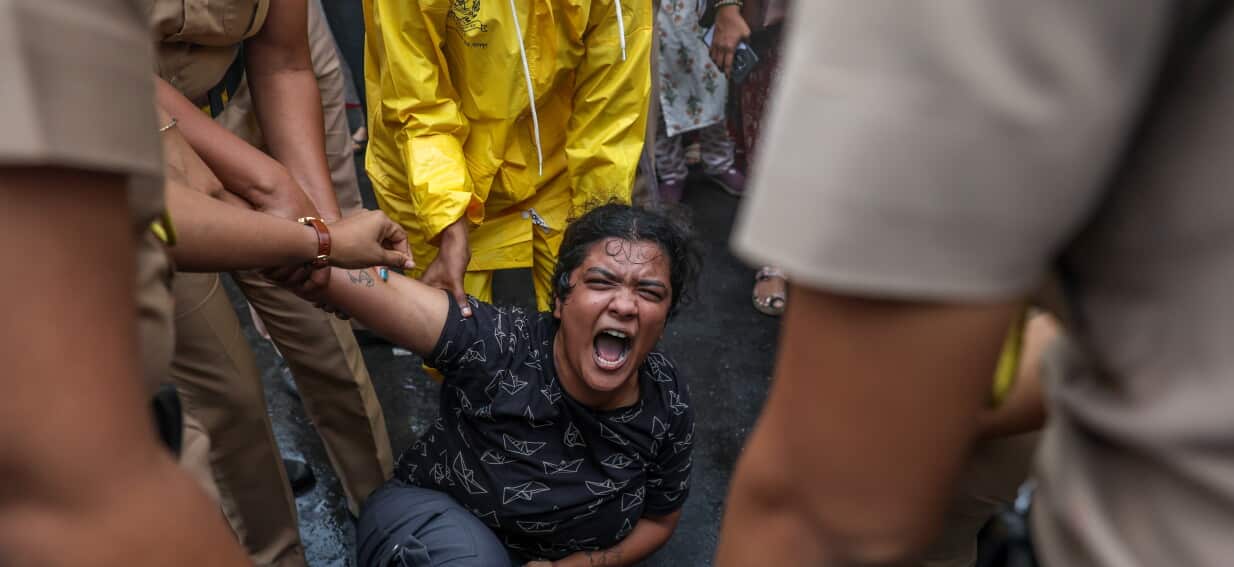
The authorities responded aggressively. Heavy barricades, tear gas, and police baton charges met the crowds in central New Delhi. Clashes broke out as protesters attempted to break security lines.
During the chaos, reports circulated that Dipke had been detained, though party channels later clarified on X that he had not been officially arrested. The dramatic scenes of young students holding makeshift banners alongside police barricades dominated national headlines, forcing mainstream political figures to acknowledge the movement.
Can a Viral Protest Force Real Policy Change?
Spontaneous online movements face a steep uphill battle when trying to force lasting institutional change. Parody parties win the internet easily, but government policy changes require sustained political pressure, structured organization, and long-term negotiation.
The Indian government holds a powerful legislative majority, but the sheer scale of youth dissatisfaction represents a serious political vulnerability. When millions of young voters unite under a single banner, politicians have to take notice.
If you're following grassroots movements or student activism, keep these key takeaways in mind:
- Watch the policy response: Track whether the Ministry of Education institutes independent oversight for competitive exams or simply relies on security measures to suppress protests.
- Monitor leadership structure: Satirical movements often struggle when transitioning from decentralized viral memes to structured political organizations.
- Observe voter sentiment: Pay attention to how Gen-Z political mobilization affects upcoming state and regional elections, particularly in major academic hubs.
The Cockroach Janta Party started as a joke, but the economic and educational failures driving it are entirely real. Whether the movement maintains its momentum or eventually fades, it has already proven that when millions of young people feel ignored by their government, even an insult can become a rallying cry.



:max_bytes(150000):strip_icc():focal(999x0:1001x2)/rishi-sunak-akshata-murthy-10-78981f8236984c69b70bc15bcb3d49e9.jpg)