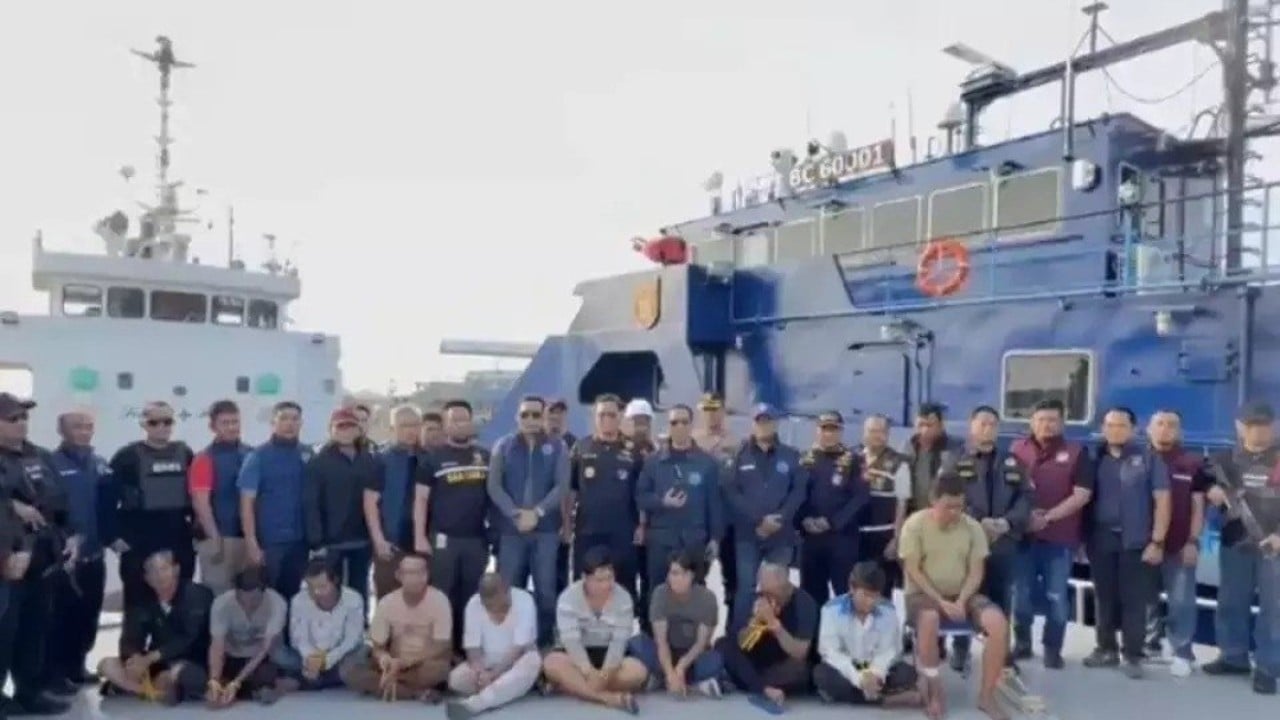
The maritime borders of Southeast Asia are massive. They are also incredibly difficult to police. On August 17, 2026, Indonesian authorities proved just how high the stakes are when they intercepted the MV Ocean Porter, a Tanzanian-flagged vessel carrying 2.6 tonnes of liquid methamphetamine.
This wasn’t a lucky find. It was the result of precise intelligence regarding a shipment moving from Sarawak, Malaysia, through the Andaman Sea. For those watching the regional drug trade, this bust is a flashing red light. It confirms that maritime smuggling is no longer just an alternative route; it’s a primary method for high-volume trafficking. Learn more on a connected subject: this related article.
The mechanics of liquid meth smuggling
If you’re wondering why smugglers are moving 2.6 tonnes of liquid meth instead of the traditional crystal form, the answer is simple: logistics and evasion. Crystal meth is bulky and requires careful packaging to keep it dry and potent. Liquid meth—basically methamphetamine dissolved in a solvent—is far more flexible.
Smugglers can store it in mundane containers, like the eight water drums and the vessel’s internal water tank found on the Ocean Porter. It’s a "hidden in plain sight" tactic. Once the liquid reaches its destination, it’s moved to clandestine labs where it’s processed back into crystal form for street distribution. This conversion process is dangerous and toxic, often leaving behind a trail of chemical waste that investigators use to track the labs. Additional journalism by TIME explores related perspectives on the subject.
The 10 crew members arrested, all Myanmar nationals, were part of a sophisticated operation that even went as far as rebranding the ship. Originally known as the MV Rain Maker, the vessel was operating under a deceptive identity to bypass regional maritime monitoring systems.
Why this shipment matters for regional security
We’ve seen drug busts before, but the scale and frequency here are shifting. In June 2025, Indonesia made its then-record bust of two tonnes of crystal meth. Now, just over a year later, that record has been eclipsed.
This indicates two things:
- Supply chain shifts: With increased pressure on land-based routes, syndicates are investing heavily in maritime logistics. They are renting or purchasing foreign-flagged vessels to move product through international waters, complicating jurisdiction for any single country's coast guard.
- The Golden Triangle connection: Production in the Golden Triangle region remains the primary source. Even as civil conflict and instability disrupt traditional regional order, the manufacturing of synthetic drugs has scaled up, not down.
Authorities in the Riau Islands used a range of specialized tools to confirm the cargo—sniffer dogs, backscatter scanners, and TruNarc analyzers. Using advanced technology is now mandatory. Without these, the liquid meth would have likely been dismissed as standard maritime fuel or ballast water.
Beyond the headline figures
The MV Ocean Porter incident is part of a broader, more worrying pattern. Earlier in August 2026, Indonesia seized 1.3 tonnes of ketamine from another vessel in the same area. The Riau Islands, located near the busy shipping lanes of Singapore, are becoming a focal point for interception efforts.
It’s easy to focus on the weight of the narcotics, but the human element is equally critical. The exploitation of foreign crews, often hired from areas with few economic alternatives, is a recurring theme in these busts. When you see arrests of crew members, you’re seeing the bottom of a pyramid. The organizers—the ones orchestrating the rebranding of ships and the financing of these massive chemical shipments—remain far from the water.
What happens next
Law enforcement agencies across Southeast Asia are now forced to tighten their coordination. Indonesia’s recent successes are being driven by a "whole-of-society" approach, involving the National Narcotics Agency (BNN), customs, and regional police.
If you are looking at the future of maritime security, expect these things:
- Information sharing: Databases like the MTR-SEA Drug Compendium are becoming essential tools for agencies to spot patterns in ship movements before they reach national waters.
- Enhanced patrol capabilities: Coastal monitoring is shifting from reactive to proactive. Expect more joint patrols and integrated surveillance between countries like Indonesia, Malaysia, and Thailand.
- Supply chain disruption: The focus is moving from just the cargo to the infrastructure—the ships, the financing, and the chemical precursors.
Interceptions like the one in Riau aren't just about removing drugs from the street. They are about forcing syndicates to spend more, take more risks, and ultimately face higher chances of failure. The battle isn't over, but the intelligence and technology behind these busts have reached a point where the "business as usual" model for smugglers is becoming increasingly untenable.