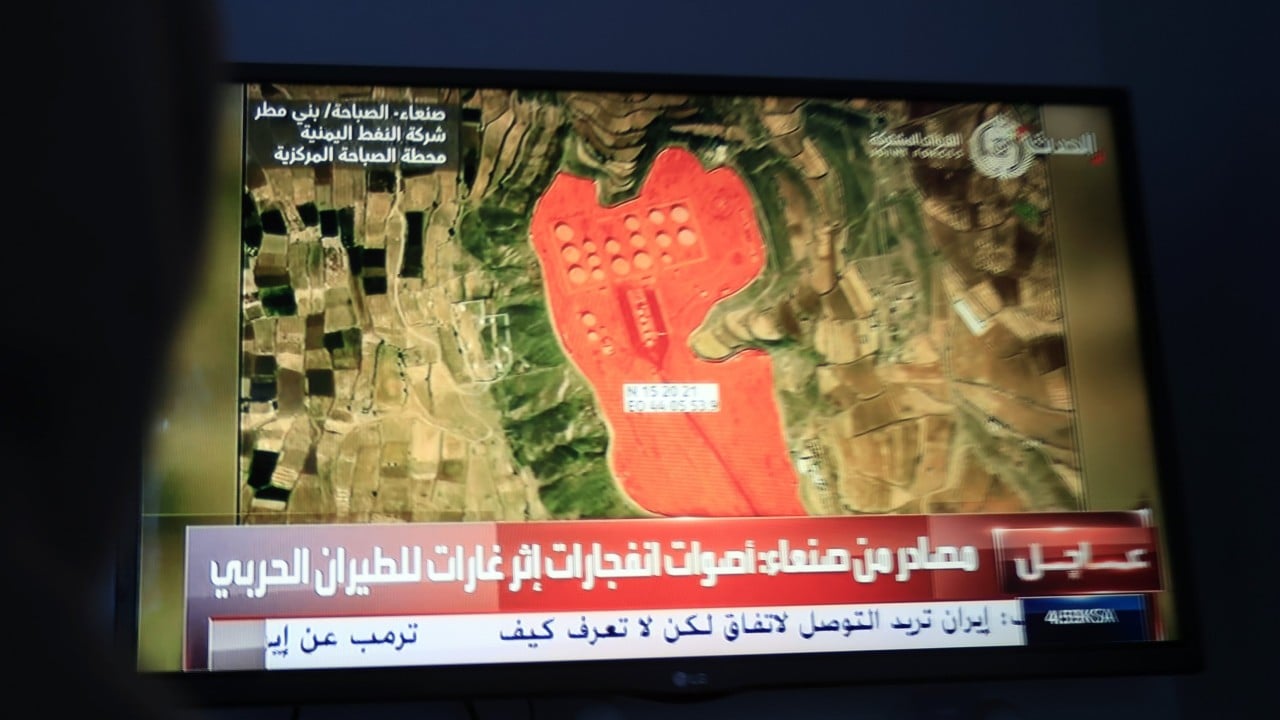
When a ballistic missile strikes the administrative core of Saudi Aramco in Dhahran, global energy markets wake up instantly. That exact scenario played out when an office tower at the company's eastern headquarters took a direct hit, sparking a limited fire and forcing authorities into emergency response mode. You cannot separate this strike from the broader tit-for-tat violence rocking the Arabian Peninsula. The attack arrived hot on the heels of coalition airstrikes in Yemen, proving that energy infrastructure remains a primary target whenever regional conflicts boil over.
The Reality of Oil Infrastructure Vulnerability
Protecting sprawling oil facilities sounds easy on paper. In practice, it's a nightmare. Saudi Arabia sits on vast reserves, and key installations like the Dhahran complex cover immense geographical footprints. When Houthi rebels launch drones or missiles across the border, air defense systems must catch every single incoming threat. They don't always succeed.
We saw a similar flashpoint when strikes hit areas near Riyadh and Yanbu. Each successful penetration of Saudi airspace shatters the illusion of absolute security. Energy traders watch these developments closely because even a small fire at an administrative building sends jittery signals through global oil pricing benchmarks.
Why the Dhahran Strike Changes the Calculus
Dhahran isn't just any location. It serves as the beating heart of Saudi Aramco's operations in the Eastern Province. Targeting this specific headquarters complex represents a deliberate escalation compared to strikes on remote processing plants or coastal shipping lanes.
The sequence of events followed a dangerous and familiar pattern:
- The Saudi-led coalition issued evacuation warnings and struck sites in Sanaa.
- Houthi forces retaliated with cross-border projectile launches.
- A ballistic missile impacted the upper floors of an Aramco office building in Dhahran.
While Saudi officials confirmed no casualties and noted that emergency crews contained the fire quickly, the psychological impact matters more than the physical damage. Every successful strike invites tougher military retaliation, trapping both sides in an escalating cycle of violence with no clean off-ramp in sight.
The Broader Regional Ripple Effects
This conflict extends far beyond the borders of Saudi Arabia and Yemen. International shipping lanes through the Red Sea and the Bab al-Mandab Strait face constant disruption risks. Major powers watch anxiously as maritime security and regional stability hang by a thread. When energy facilities become chess pieces in a regional war, every consumer worldwide feels the pressure at the pump.
Security analysts point out that defense technology alone cannot solve a political stalemate. Until diplomatic channels reopen with serious intent to resolve the root causes of the war in Yemen, oil facilities and civilian airports will remain in the crosshairs. Stop expecting a quick fix to a crisis built on years of deep-seated hostility.