Coalition politics in Israel rarely follow a straight line. When the president announces who gets the mandate to build a ruling government, it marks the end of weeks of tense consultations and the chaotic beginning of raw horse-trading. If you have ever watched Israeli parliamentary maneuvering, you know that winning an election is only half the battle. The real war happens behind closed doors, where tiny faction leaders hold disproportionate leverage over the prime minister-designate.
The Mechanics of the Presidential Mandate
Under Israel's parliamentary democracy, the country's president holds a mostly ceremonial role, but government formation gives them a crucial constitutional duty. After consulting with every party elected to the 120-seat Knesset, the president decides which candidate has the best realistic chance of assembling a stable 61-seat majority.
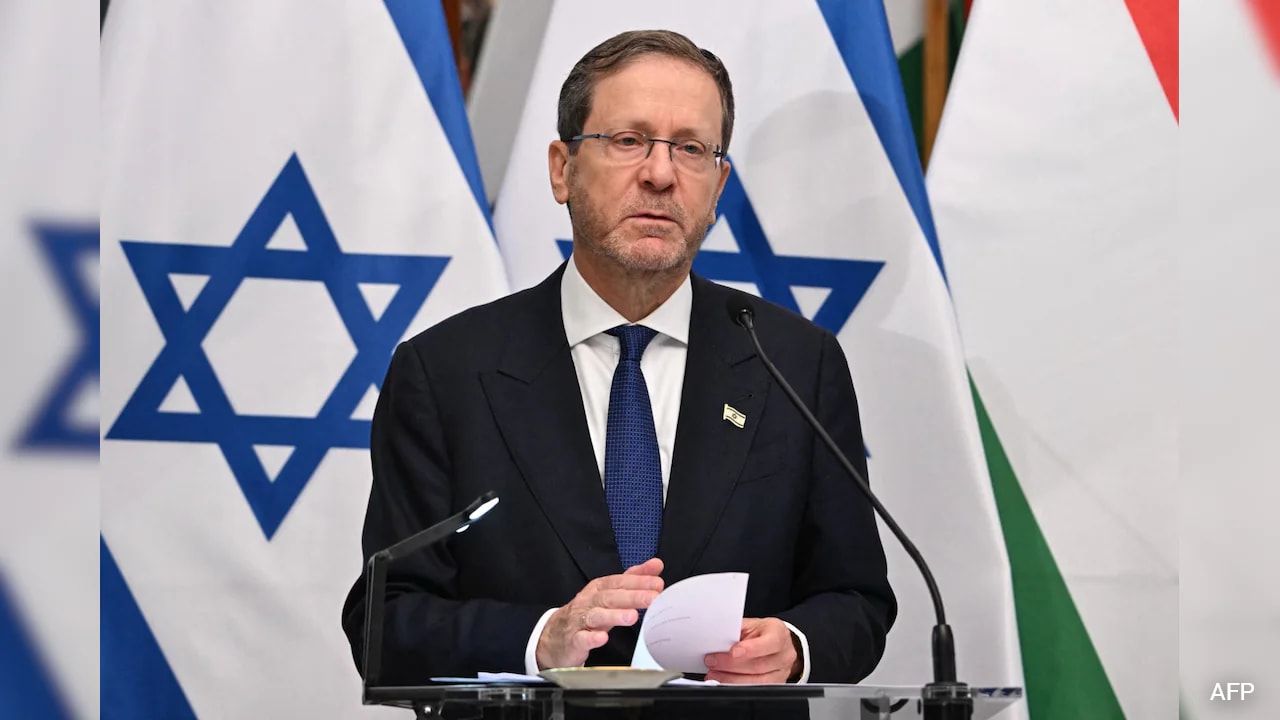
This decision isn't just about who won the most individual votes. It is a mathematical puzzle. A party might win the largest single block of seats, but if potential ideological allies refuse to sit together, the numbers fall apart. When the president steps up to announce who will get the initial 28-day window to form a coalition, it dictates the immediate political stability of the nation.
Why Coalition Math Dictates Everything
Forming a government in Jerusalem is a masterclass in compromise and arm-twisting. Israel's proportional representation electoral system means no single party has ever won an outright majority on its own. Every government in the history of the state has been a coalition.
This structure gives fringe parties immense power. A small religious or nationalist faction holding just four or five seats can effectively veto major policy shifts or demand massive budget allocations for their constituencies. When the designated leader steps forward on Sunday to accept the mandate, they are already making compromises they hoped they could avoid.
"The true test of a prime minister isn't winning an election campaign; it's surviving the frantic final hours before a coalition agreement is signed."
The Pressure Cooker of the 28-Day Clock
Once the president hands over the mandate, the clock starts ticking immediately. The designated leader gets 28 days to finalize ministerial portfolios, hash out policy guidelines, and sign formal coalition agreements. If they fail, the president can grant a 14-day extension, or pass the baton to a rival candidate.
The public spectacle leading up to the announcement usually involves intense spin. Parties leak demands to the press to test public reaction, threaten walkouts before talks even begin, and position themselves for maximum leverage. Veteran political observers watch these announcements not for shock value, but to see which factions managed to secure key committee chairmanships.
What Happens Next
Getting the mandate is merely getting permission to start the hardest job in the country. The real work begins the moment the cameras stop flashing. Negotiators lock themselves in hotel rooms, trading policy concessions on judicial reform, defense spending, and socioeconomic policy until every coalition partner signs on the dotted line.
If you are tracking Israeli politics, stop looking at the daily opinion polls once the election ends. The real story lives in the fine print of the coalition agreements, where the actual direction of the country gets decided line by line.