Traditional European luxury car brands are facing a harsh reality check. When your shipments drop by thirty percent in a single year and you post an operating loss near two hundred million euros, heritage alone won't keep the lights on. That is precisely where Maserati finds itself today. Facing a steep decline from its 2017 peak volumes, the Trident brand is looking east. Industry sources indicate that Stellantis-owned Maserati is advancing a high-stakes partnership with JAC Motors and tech giant Huawei under the internal code name "Maserati Design."
If you are wondering how an iconic Italian marque ends up tying its electric vehicle future to a Chinese tech ecosystem, you need to look at the numbers. Maserati shipped fewer than eight thousand cars globally in recent accounts. Developing competitive EV architecture from scratch costs billions, and traditional automakers are learning they cannot outpace software-defined vehicle cycles alone. Huawei brings the digital brains—its HarmonyOS cockpit and Qiankun driver-assistance systems—while JAC provides the high-tech manufacturing capacity in Hefei.
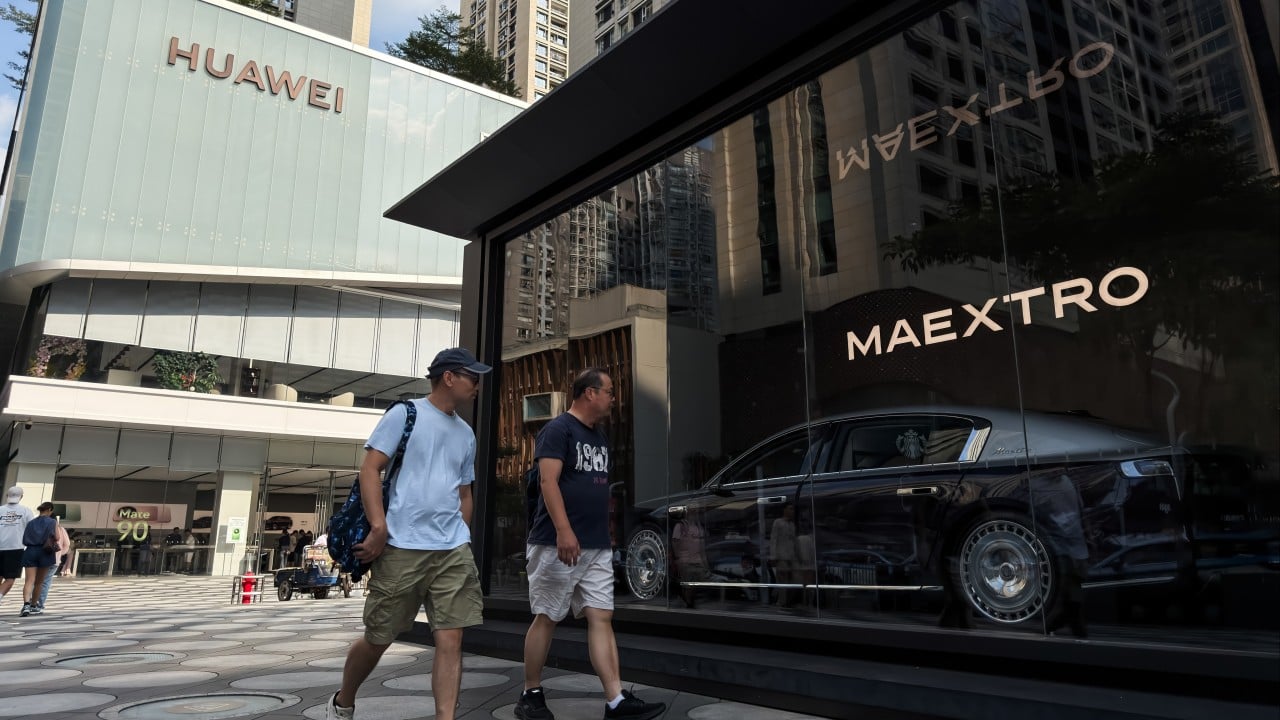
The arrangement carries a fascinating structural quirk due to domestic branding rules and market positioning. Inside China, the resulting vehicles will roll out under Maextro, the ultra-luxury marque within Huawei's Harmony Intelligent Mobility Alliance. Outside China, those same vehicles will wear the traditional Maserati trident badge. Under the division of labor reported by financial daily Yicai, Huawei handles product definition and core tech, JAC builds the vehicles, and Maserati contributes Italian styling cues and its historic export distribution network.
Why take this route instead of building everything in Modena? The answer comes down to speed and survival. Maserati needs advanced battery-electric platforms immediately to stay relevant in an automotive market that has rapidly shifted toward intelligent cockpits and high-density electrification. By partnering with Huawei and JAC, Maserati gains access to top-tier EV platforms without draining its remaining capital reserves. Reports point toward two initial battery-electric models in the pipeline: a large electric grand tourer and a mid-to-large SUV, with the GT taking priority.
Of course, execution brings distinct challenges. Huawei's HIMA alliance has faced fluctuating sales momentum, and regulatory filings from JAC emphasize that no legally binding definitive agreement has been finalized yet. Furthermore, bringing vehicles with Chinese manufacturing lineage into Europe triggers heavy trade considerations, including the European Union's steep countervailing duties on battery-electric imports, alongside strict Italian regulations regarding domestic product origin claims. Some early industry discussions even floated the idea of building basic body shells in China before finishing final interior integration and chassis calibration inside European facilities to navigate these hurdles.
Despite the hurdles, the move signals a pragmatic shift for historic carmakers. You can't live on past glory when your operating margins are deep in the red. Expect more legacy European brands to swallow their pride and outsource core EV architecture to tech giants as the decade progresses.
Watch for official announcements at upcoming capital market updates in Modena, where Maserati must detail how it plans to fund its next generation without losing its soul. If this three-way alliance crosses the finish line toward mass production by late 2027, it might just rewrite the playbook for how historic European luxury brands survive the electric transition.