Commercial aviation relies on a quiet, unbreakable trust. You step into a metal tube, settle into a cramped seat, and assume the two people locked behind the cockpit door are working together to keep you alive. On flydubai flight FZ 1073 from Dubai to Tel Aviv, that trust shattered at 35,000 feet.
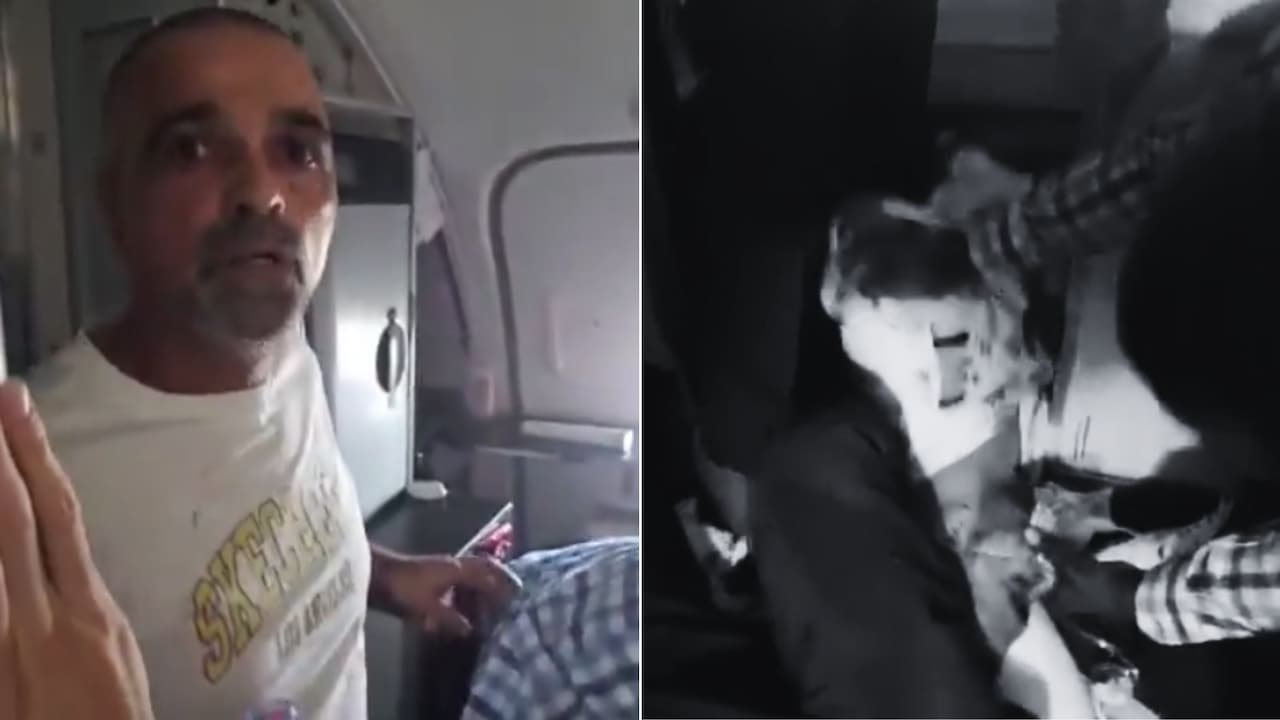
What started as a routine flight quickly mutated into a terrifying midair crisis involving a cockpit stabbing, a rapid, gut-wrenching dive, and extraordinary civilian intervention. As footage emerges from the cabin showing blood stains, frantic passengers, and an injured Indian pilot guarded by travelers, the aviation world is left staring at a nightmare scenario that security protocols are rarely built to handle. If you found value in this post, you should look at: this related article.
Here is what actually happened on board, what the data tells us, and why this incident exposes terrifying gaps in flight deck security.
The Descent Into Chaos
Flight FZ 1073 was carrying 180 passengers when violence erupted inside the flight deck. According to reports and flight-tracking data, the aircraft experienced a sudden and violent drop—plummeting roughly 17,400 feet in just two minutes. For another perspective on this event, refer to the latest coverage from Al Jazeera.
Passengers reported hearing screams, seeing blood, and feeling the terrifying sensation of the plane diving as emergency systems reacted. The flight transmitted squawk code 7700, the international emergency signal, before shifting to 7500, the specific code reserved for unlawful interference or hijacking. The situation triggered maximum alarm bells on the ground, with military jets reportedly scrambled amid fears of an active hijacking.
Inside the cabin, chaos reigned. Captain Smit Machchhar, an Indian pilot on the flight, had been stabbed by his co-pilot in a shocking attack. Despite his injuries, Captain Machchhar and other crew members fought back against the rogue pilot.
When Passengers and Off-Duty Pilots Become the Last Line of Defense
You assume that once a cockpit door is locked, it stays locked against threats from the outside. You never plan for the threat to be sitting in the captain's seat.
When the cockpit struggle spilled over and systems were compromised, ordinary passengers and off-duty aviation professionals on board stepped up. Among the 180 travelers were off-roster pilots and trained individuals who realized that waiting for protocols to save them wasn't an option.
Videos circulating from the flight show passengers forming a human shield around the injured captain, shouting assurances that no one would pass the cockpit door. Passengers and crew managed to overpower the attacker, neutralizing the threat before the plane safely diverted and landed in Tabuk, Saudi Arabia.
One passenger was captured on video telling the injured pilot, "You saved the plane." Another traveler, nursing a head injury, recounted in Hebrew how they overpowered the attacker after he tried to murder the pilot and take control of the aircraft.
The Security and Political Aftermath
Governments don't know what to make of it yet, but they are taking it seriously. Israeli Prime Minister Benjamin Netanyahu confirmed that the suspect is in Saudi custody and under interrogation, noting that a pilot attempted to sabotage aircraft systems before being neutralized by passengers and crew. Israel's national security minister went further, labeling the incident an attempted terror attack aimed at crashing the plane and killing the Israelis on board.
Saudi authorities have taken charge of the investigation, while aviation safety experts are left picking apart how a co-pilot managed to inflict such violence mid-flight.
What This Means for Future Air Travel
Commercial airlines pride themselves on rigid psychological screenings, secure flight deck doors, and strict cockpit resource management. But this incident proves a grim reality: you cannot completely foolproof a system against internal human malice.
When the pilot turns on the passengers, the safety manual goes out the window. The fact that flight FZ 1073 landed safely is a testament to raw human courage—specifically the resilience of an injured pilot and the quick thinking of off-duty crew members who refused to let panic win.
If you're flying soon, it's a stark reminder that aviation safety isn't just about automated tech or locked doors. Sometimes, survival comes down to the people sitting in row twelve stepping up when everything falls apart. Keep your seatbelt fastened, stay aware of your surroundings, and hope you never have to test your own nerve at 35,000 feet.