A commercial airliner hurtles downward. 14,000 feet vanishes in under thirty seconds. Inside the cabin of flydubai Flight FZ1073, panic reigns supreme.
Most people assume cockpit security doors make hijackings impossible today. They forget that doors can be unlocked, and threats can emerge from within the flight deck itself. When the co-pilot of Flight FZ1073 allegedly turned on captain Smit Machchhar with a knife over Saudi airspace, 174 lives hung by a thread.
What followed was a brutal twenty-minute brawl. Ordinary passengers transformed into emergency defenders, wrestling control away from a suicidal attacker and pulling a Boeing 737 MAX back from the brink of catastrophe.
The Anatomy of a Midair Crisis
Flight FZ1073 departed Dubai on its scheduled route toward Tel Aviv with 174 passengers and crew on board. Roughly two hours into the journey, violence erupted at the front of the plane.
According to official accounts and witness testimony, an Omani co-pilot launched a sudden assault on Captain Machchhar. The attacker stabbed the Indian national repeatedly, aiming to disable the flight crew and send the aircraft plunging toward the earth.
Flight tracking data confirms the severity of the dive. The aircraft lost 4,300 meters of altitude in less than half a minute. The G-forces threw passengers around the cabin. Screams filled the air.
Yet Captain Machchhar made a critical choice that prevented total loss. Before his wounds overwhelmed him, he unlocked the cockpit door. That single action allowed passengers to intervene.
Ordinary People Making Extraordinary Choices
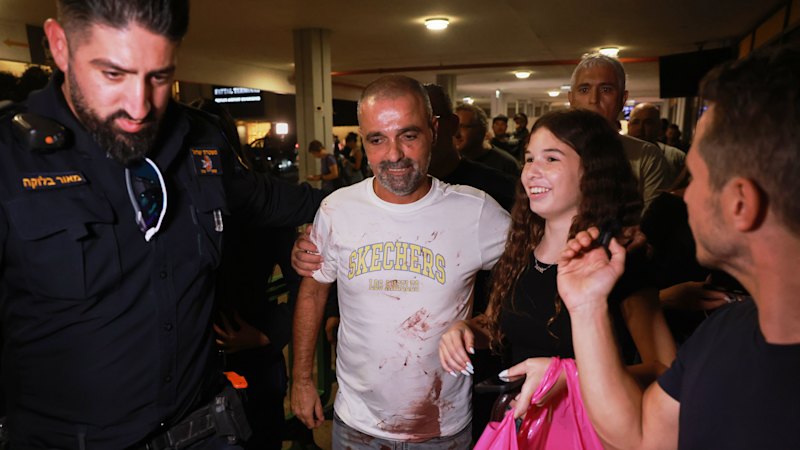
Passenger Yaniv Hayoun heard the commotion and didn't hesitate. He forced his way into the flight deck, confronting a chaotic scene where neither pilot was seated at the controls and the attacker was actively trying to sabotage the aircraft systems.
"I grabbed the terrorist, put him in a hold, and first of all pulled him outside," Hayoun recounted later.
Hayoun wasn't alone. Assaf Rajwan, Tzvika Manes, and other passengers rushed forward to assist. Confronting a knife-wielding attacker in a violently pitching cabin requires raw nerve. The men fought the suspect for nearly twenty minutes, eventually subduing him and securing him with headphone cords.
To pull the aircraft out of its fatal descent, Hayoun had to take physical action on the flight controls. When asked later how he knew what to do in a commercial cockpit, his answer shocked observers. He credited watching aviation documentary series.
Meanwhile, a passenger who happened to be a dentist, Dr. Shota Musayev, rushed to the cockpit to treat Captain Machchhar. The captain suffered severe head wounds and heavy bleeding. Musayev managed to stabilize his blood pressure and stop the bleeding while chaos raged around them.
The Second Miracle: Off-Duty Pilots Step Up
Subduing the attacker solved only half the crisis. The injured captain needed urgent medical attention, and the flight still needed to land safely.
A second stroke of fortune emerged from the passenger seats. Two off-duty commercial pilots—reported to be a South African and a New Zealander—were traveling on the flight. They stepped forward, entered the cockpit, and took over the controls.
The replacement crew locked the flight deck and navigated the damaged aircraft toward Tabuk Airport in western Saudi Arabia. Passengers reported that local Saudi medical staff and military personnel rushed to assist them once they touched down, providing immediate care and shelter.
Israeli Prime Minister Benjamin Netanyahu later praised Captain Machchhar and the heroic passengers publicly. The Prime Minister noted that the collective bravery prevented a massive midair disaster that could have rivaled historical aviation tragedies.
Lessons From Flight FZ1073
Aviation security protocols focus heavily on external threats, passenger screening, and reinforced cockpit doors. This incident exposes a terrifying vulnerability: insider threats involving flight crew members.
When a rogue pilot decides to crash a plane, passengers remain the final line of defense. The resilience shown on Flight FZ1073 proves that human intervention can override automated system sabotage, but it also highlights the urgent need for psychological screening and rigorous monitoring within commercial airlines.
Keep your seatbelt fastened when seated. Pay attention to safety briefings. You never know when the person sitting next to you will have to save your life.