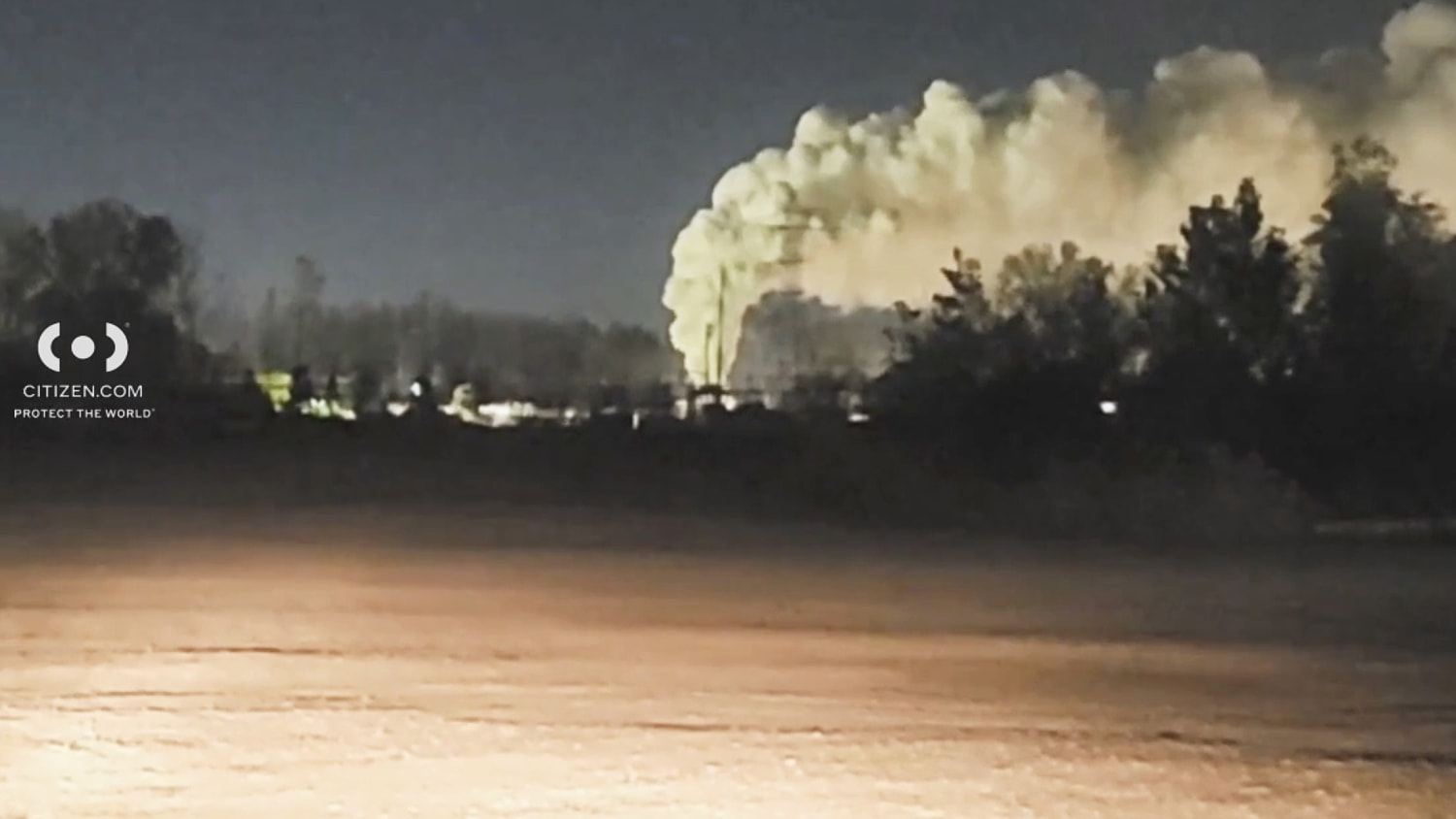
When a massive industrial hazard forces local authorities to draw hard lines across a major American city, life stops instantly. That is exactly what happened in Toledo, Ohio, when a dangerous chemical release triggered immediate evacuation orders and locked down entire neighborhoods. If you live near Progress Avenue or commute through Lucas County, your morning routine was completely upended.
Let's break down what actually happened, why officials panicked about explosion risks, and what you need to know if you were caught in the zone.
The Anatomy of the Toledo Chemical Incident
The emergency kicked off late Tuesday night at an exterior tank facility tied to MC Tank Transport, located at 1266 Progress Ave. in North Toledo. Initially, dispatchers and early news reports confused the exact address with the nearby Sterling Pipe & Tube property at 1050 Progress Ave., but municipal officials quickly clarified the source.
The culprit? Glycidyl methacrylate. It's a reactive industrial chemical monomer heavily used to improve coatings, paints, and plastics. When things go wrong with it, they go wrong fast.
Mayor Wade Kapszukiewicz and the Toledo Fire and Rescue Department didn't take any chances. They established a mandatory one-mile evacuation zone around the site. More than 900 residents live inside this immediate radius. By Wednesday morning, local authorities confirmed that everyone inside that high-risk perimeter had cleared out, utilizing designated temporary shelters like Shoreland Elementary School and transportation setups organized via TARTA buses at the Meijer parking lot off East Alexis Road.
Beyond the core evacuation zone, a strict three-mile shelter-in-place order went into effect at 4:24 a.m. Wednesday. Washington Local Schools shut down completely. Industrial facilities nearby, including the massive Stellantis Toledo Assembly Complex, sent workers home early as a precaution.
Why Officials Feared a Secondary Explosion
Industrial accidents are terrifying, but volatile chemical monomers bring a unique nightmare to first responders: the ticking clock of reactivity.
Mayor Kapszukiewicz pointed out a terrifying reality during briefings. Hazmat teams and firefighters couldn't simply rush the tank because officials feared the compromised container remained unstable. The chemical emitted continuous vapors, and authorities warned that the tank carried the serious potential of a secondary explosion within twelve hours of the initial breach.
Because hazmat crews couldn't safely approach the leaking container right away, containment strategies required specialized remote resources and heavy coordination with MC Tank Transport's emergency response units.
Adding to the morning chaos, heavy fog blanketed North Toledo. Emergency officials had to issue a stern public warning: you cannot tell the difference between natural fog and toxic chemical vapor by looking out your window. Residents outside the direct zones who caught unusual odors were instructed to keep their doors shut, windows locked, and ventilation systems powered down immediately.
Health Risks and What Exposure Actually Looks Like
When glycidyl methacrylate vapors escape into a populated area, the human body reacts quickly. Exposure isn't something you can easily brush off.
Medical professionals and fire officials highlighted several primary overexposure symptoms:
- Severe irritation or burning sensations in the eyes, nose, mouth, and skin
- Persistent dizziness and heavy headaches
- Overwhelming fatigue and nausea
- Vomiting and respiratory discomfort
At least one Lucas County sheriff's deputy felt ill while responding to the perimeter and drove himself to the hospital for evaluation. City officials, however, reported no widespread fatalities or major injuries tied directly to the release as of Wednesday morning, largely thanks to the rapid deployment of the evacuation and shelter zones.
What You Should Do If You Are in an Affected Area
If you are navigating an industrial emergency or living through a shelter-in-place order in Ohio or anywhere else, generic advice won't cut it. Here is how you protect yourself when hazardous materials hit your backyard:
- Ignore the look of the air. Do not assume clear air means safe air. Chemical vapors are often invisible or masked by weather conditions like morning fog. Rely strictly on municipal emergency alerts, not your eyes.
- Shut down home HVAC systems. Central heating and cooling systems pull outside air directly into your living space. Turn them off completely, along with kitchen and bathroom exhaust fans, to maintain a tighter seal indoors.
- Keep pets inside. Animals process airborne toxins faster than humans due to their lower body weight and higher respiratory rates. Bring them indoors the second an alert drops.
- Know your evacuation routes. If you fall within a one-mile mandatory zone, grab your emergency go-bag, secure your pets, and leave immediately. Do not wait for police to knock twice.
Emergency crews remain on the ground working to neutralize the tank and stabilize the North Toledo facility. Stay tuned to local municipal feeds for updates on when shelter-in-place orders are officially lifted.