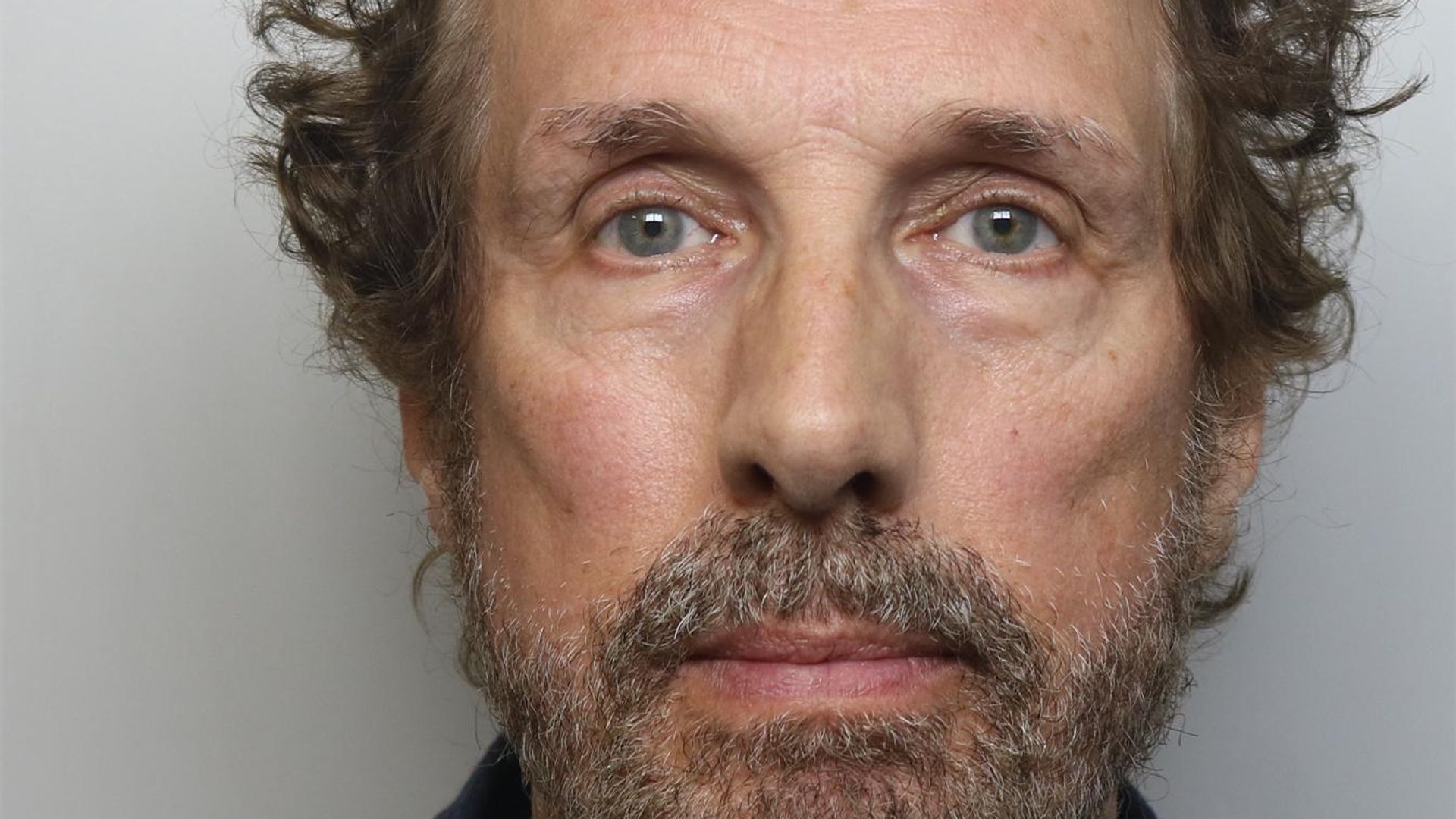
The concept of a spiritual leader weaponizing faith isn't new, but the methods used by former Church of England priest Christopher Brain exposed a terrifying blueprint for modern psychological control. At Inner London Crown Court, a jury convicted Brain of one count of rape and four counts of indecent assault. These verdicts brought his total convictions to an astounding 22 sexual offenses against 13 women, cementing his legacy not as a progressive religious pioneer, but as a predatory manipulator hiding behind rave music and counter-cultural aesthetics.
If you followed the trials in 2025 and 2026, you know this case centers around the Nine O'Clock Service (NOS), a Sheffield-based Christian movement that Brain founded back in the 1980s. NOS pitched itself as an alternative church experience for younger generations, complete with rave-inspired music, multimedia projections, and a relaxed, contemporary vibe. But beneath the surface lights and alternative ethos, Brain built a high-control system designed to break down boundaries and isolate his congregation.
The Anatomy of Religious Control
How does an ordinary religious service devolve into a predatory environment? Brain didn't achieve his level of control overnight. He cultivated a persona that combined spiritual authority with counter-cultural cool. He drew crowds by rejecting stiff, traditional liturgies and embracing the energy of the rave scene.
Yet, witnesses and prosecutors pointed out that this environment was a calculated smokescreen. Behind closed doors, Brain exerted total dominance over his followers. He dictated who they could date, how they should dress, and where they should live. Victims described a deep climate of psychological fear where compliance was mandatory and questioning authority carried severe social penalties.
Senior Crown Prosecutor Julie Moss accurately described Brain's actions as a disturbing campaign of manipulation and abuse. He isolated followers from their families, manufactured financial dependency, and utilized private settings—including massages and counseling sessions—to execute his assaults. One victim testified about being lured into an attic bedroom before being raped, while others described being reprimanded for not dressing provocatively enough to suit his demands.
The Institutional Blind Spot
The Church of England has issued apologies, but the systemic questions remain glaring. How did Brain operate unchecked for years within a major religious establishment?
Institutions love charisma. When a charismatic leader brings in young people, fills pews, and generates positive press, oversight often vanishes. Church leaders ignored or dismissed red flags because NOS looked successful on paper. They prioritized growth over safety, allowing a predator to flourish under the shield of clerical immunity.
This dynamic happens across industries, not just in religion. Whenever an organization grants absolute authority to a single individual without robust checks and balances, abuse becomes inevitable. Power without accountability always rots from the inside out.
Listening to Survivors
The legal outcomes we're seeing today didn't happen because the institution suddenly grew a conscience. They happened because survivors banded together and demanded justice. Prosecutors highlighted the immense bravery of the women who took the stand to recount harrowing details of abuse that spanned decades.
Their courage shattered the silence that protected Brain for years. If there is any lesson to extract from the fall of the Nine O'Clock Service, it is that we must stop romanticizing charismatic authority and start scrutinizing environments that demand blind obedience.
Look closely at any group that isolates you from your support network, discourages independent thought, or places its leader above criticism. Walk away immediately.


