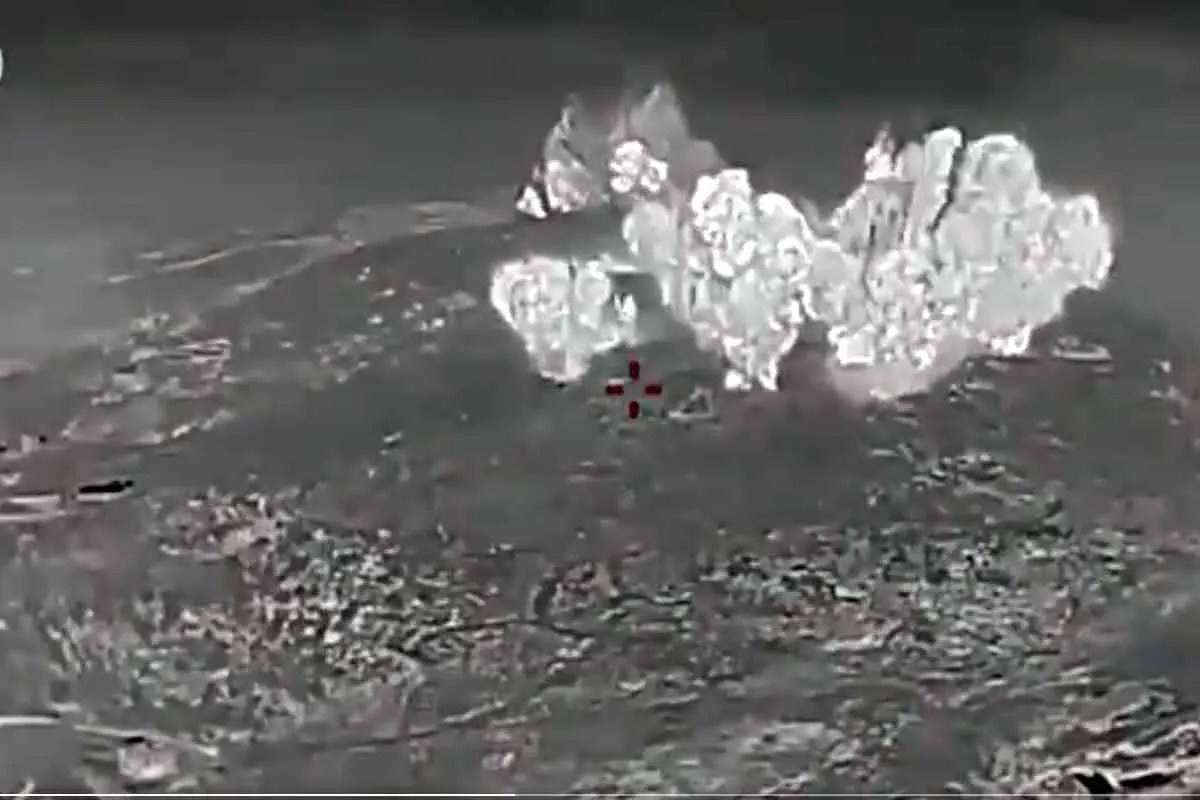
The ground beneath southern Lebanon isn't just rock and soil anymore; it's a multi-layered labyrinth designed for endless attrition. When explosions rock areas like Khiam and the Ali al-Tahar ridge, you aren't just hearing routine border skirmishes. You are witnessing a brutal, subterranean confrontation where modern military technology collides with years of fortified engineering.
Most headlines focus purely on the smoke and sirens, but the real story lies deep underground. The recent escalation has brought the hidden infrastructure of the region into harsh light, revealing tactical realities that military planners have worried about for decades.
The Anatomy of Subterranean Warfare
Modern defense strategies in the region have evolved far beyond surface trenches. When intelligence reports point to a two-kilometer-plus underground network complete with command centers, rocket storage, and logistics hubs, it forces a complete rethinking of how border conflicts operate.
We are talking about complexes engineered over years with substantial backing, designed specifically to withstand heavy bombardment and logistical blockages. Troops aren't just fighting an enemy across a line; they are battling an invisible architecture. When thousands of tons of explosives are deployed to neutralize a single ridge network, the sheer kinetic force registers on seismic monitors, mimicking minor earthquakes. That scale of destruction tells you everything you need to know about the depth and reinforcement of these positions.
Why Strategic Heights Matter More Than Ever
Geography remains the ultimate commander in any Middle Eastern conflict. Valleys, ridges, and elevated terrain dictate every line of sight and artillery trajectory.
- Control over ridges like Ali al-Tahar provides tactical dominance over extensive sectors of southern Lebanon.
- Underground networks beneath these natural elevations act as shielded sanctuaries, allowing fighters to bypass open-air vulnerability.
- Surface towns such as Mansouri, Majdal Zoun, and Nabatieh-El-Fawka frequently find themselves caught in the crossfire because of their proximity to these vital tactical corridors.
When defense forces move to dismantle these positions, they aren't just clearing buildings. They are attempting to strip away the structural advantage that allows guerrilla units to operate with impunity beneath heavily monitored skies.
The Broader Regional Pressure Cooker
You can't look at southern Lebanon in a vacuum. It operates as one major front in a much wider, interconnected web of hostilities stretching across shipping lanes, regional proxy networks, and diplomatic arenas. From maritime tensions near critical straits to emergency alerts echoing through major religious and commercial hubs, every flashpoint feeds the next.
The reliance on underground fortifications changes the timeline of engagement. Conventional wisdom says that air superiority and artillery dominance decide modern conflicts quickly. Yet, subterranean networks neutralize a massive percentage of that aerial advantage. Until ground forces physically locate, breach, and neutralize these concealed hubs, stability in the borderlands remains an illusion.
The dust won't settle in southern Lebanon anytime soon. As long as the subterranean strategy remains a core pillar of asymmetric defense, the region will continue to face unprecedented destructive cycles that shake both the earth and the geopolitical landscape.


