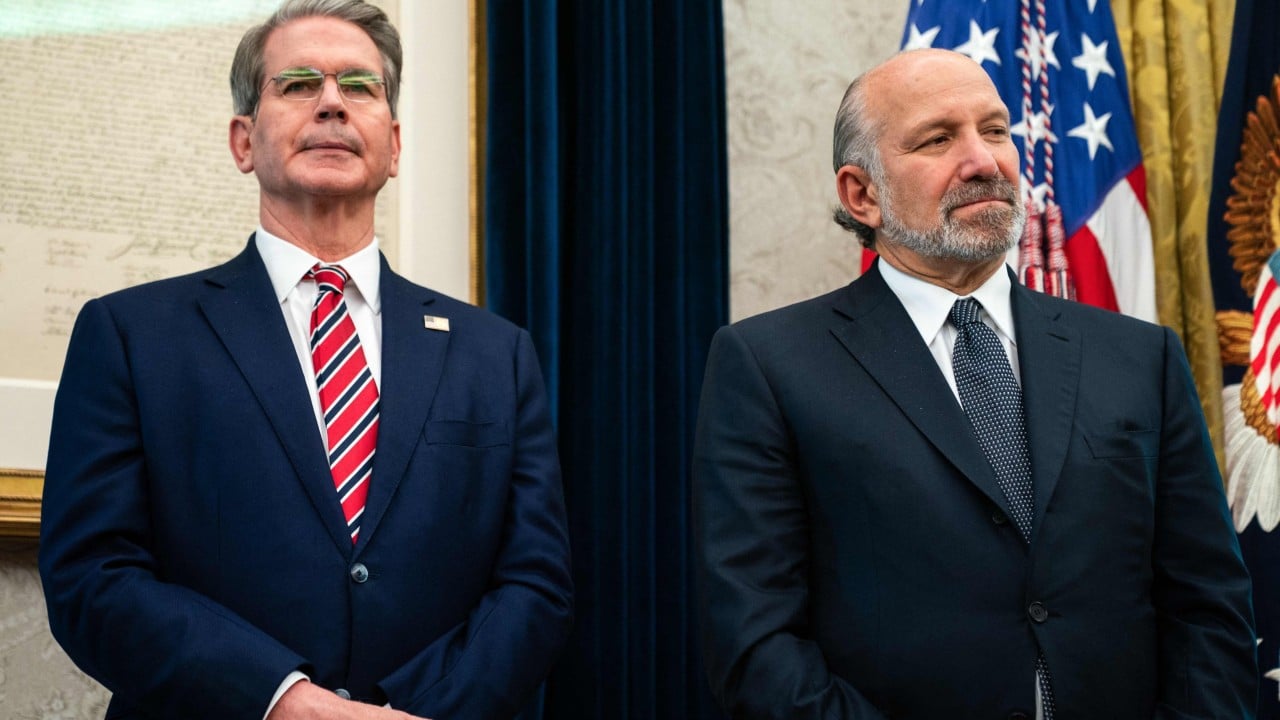
Cabinet battles rarely spill into public view with this much venom. Treasury Secretary Scott Bessent didn't just express mild annoyance during a recent CNBC appearance; he pointed a direct, loaded finger at Commerce Secretary Howard Lutnick, accusing the Commerce Department of dragging its feet on blocking advanced semiconductor shipments to suspicious foreign entities.
The core dispute centers on Singapore-based Megaspeed International and broader anxieties about advanced artificial intelligence hardware leaking into geopolitical rivalries. While agencies like the Treasury, State, and Defense departments reportedly pushed to blacklist the firm months ago, the bureaucratic pen stayed firmly in the hands of Commerce. That single bottleneck has turned export compliance into Washington's most toxic inter-agency sport.
Why Bureaucratic Gridlock Threatens the Tech Supply Chain
Export restrictions only work if enforcement moves faster than product cycles. In the high-stakes semiconductor market, a two-month delay isn't a minor administrative hiccup. It is an eternity.
When friction slows down trade blacklists, high-end components slip through gray markets before regulators can map the supply chain. Bessent noted that President Donald Trump drew a clear line in the sand, barring any chip exports more powerful than older H100 architectures to restricted destinations. Yet, internal friction within Commerce allowed loopholes to stay open.
This isn't just about paperwork. It is about strategic leakage. When advanced processors bypass controls, it undercuts domestic chipmakers who follow the rules and accelerates foreign competitors building massive AI infrastructure.
The Fallout From Corporate Scandals and Political Clout
The friction between Treasury and Commerce intensified just as Nvidia faced unprecedented internal turmoil. Former CEO Jensen Huang stepped down following revelations regarding personal ties to individuals flagged by national security investigators.
Lutnick himself has faced relentless congressional scrutiny over his close relationship with tech leadership and reports of classified warnings landing on his desk months prior. Critics on Capitol Hill from both parties want to know why warning signs were met with administrative inertia while markets wiped out trillions in tech valuations.
When regulators cozy up to the executives they are supposed to police, enforcement mechanisms stall. Bessent’s public rebuke signals that patience inside the administration has officially run out.
What Happens Next for Silicon Enforcement
Expect the White House to strip away discretionary delays from licensing bodies. Inter-agency squabbling over who controls the export blacklist pen is bound to face tighter oversight as lawmakers summon officials for closed-door testimony.
The era of soft-touch enforcement on high-end hardware is over. If Commerce wants to keep its authority over sensitive technologies, it has to prove it can move as fast as the silicon moves.