Local politics stopped being strictly local years ago. But when cross-border heavyweights jump into a congressional district race in South Florida, the lines between domestic campaigning and international affairs blur completely.
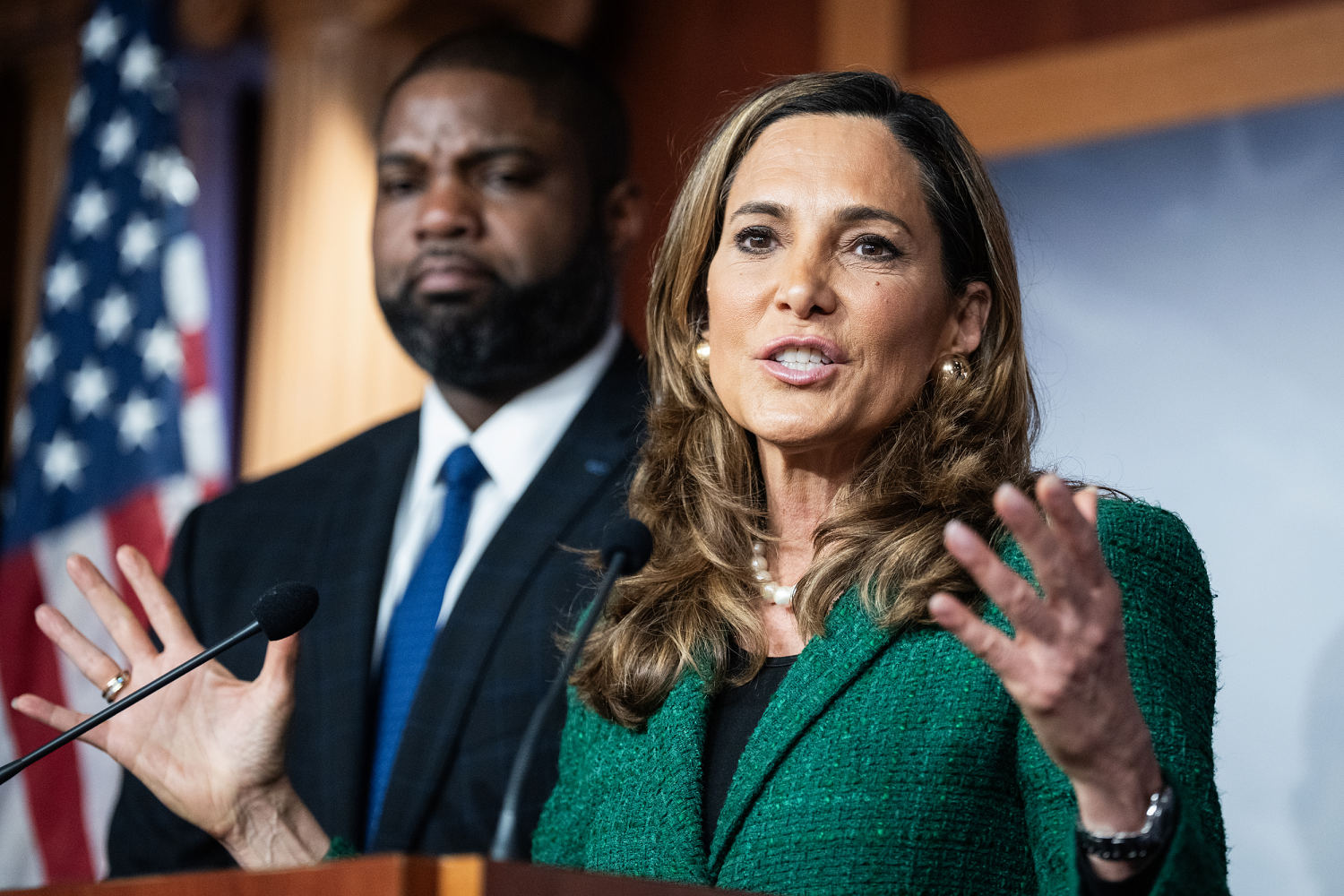
Representative María Elvira Salazar has always walked a unique ideological tightrope. Representing Florida's 27th district means balancing a deeply anti-socialist Cuban and Venezuelan diaspora with the realities of modern American legislative battles. Recently, that balancing act drew a surprising external heavyweight intervention. Venezuelan opposition leader María Corina Machado publicly backed Salazar's re-election bid.
This isn't just about a standard political endorsement. It highlights how Latin American domestic struggles continue to act as an invisible primary for South Florida congressional candidates. If you want to win Miami, you need credibility among exiles who treat local elections like extensions of the fight back home.
The Cost of Breaking with the Party Line
Salazar didn't end up in this cross-border spotlight by accident. Her recent friction with hardline elements of the Republican base over immigration policy created immediate waves. When thousands of temporary protected status protections faced termination under aggressive enforcement shifts, Salazar tried to thread a needle. She wanted border security without defending the chaotic execution that left hundreds of thousands of established community members vulnerable.
That nuance cost her clean ideological backing from the MAGA wing. Critics within her own party labeled her weak on enforcement, while local voters demanded protection for friends and neighbors who have spent years integrated into the South Florida economy.
Enter the international dimension. By securing public backing from a prominent regional democracy figure like Machado, Salazar leans heavily into her core brand: a staunch defender of hemispheric liberty who answers to the exiles rather than party purists in Washington.
Why South Florida Elections Reject Conventional Rules
If you run a standard campaign playbook in Miami, you will lose. Traditional American partisan divides look entirely different when filtered through the lens of political trauma from Havana, Caracas, or Bogotá.
Candidates must constantly prove their anti-communist bona fides while simultaneously delivering on local bread-and-butter economic issues. This creates a fascinating dynamic where foreign policy figures hold domestic endorsement power that matches or exceeds traditional U.S. party leadership.
- Expatriate voters evaluate candidates based on international posture first, domestic policy second.
- Endorsements from foreign dissidents carry immense weight in Spanish-language media markets.
- Local policy positions on immigration often create friction with national party discipline.
The Broader Impact on Midterm Strategy
We are watching a blueprint for how diaspora politics alters American midterms. Foreign leaders and high-profile exiles understand that the U.S. Congress dictates sanctions, foreign aid, and diplomatic recognition. Influencing a Florida congressional seat offers direct leverage over Washington's Latin America policy.
Salazar's campaign is betting that international validation from anti-socialist champions will outweigh domestic primary turbulence. It's a high-stakes gamble that treats congressional politics as global diplomacy.
Pay attention to how South Florida politicians manage these external alignments. As domestic polarization intensifies, candidates will increasingly look beyond American borders for the moral authority they need to survive primary challenges at home.