Geopolitics rarely moves in a straight line. Right now, it is spinning out of control.
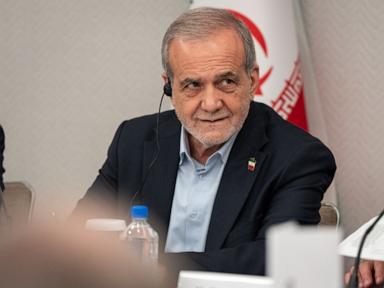
Iranian President Masoud Pezeshkian recently stepped in front of state media with a striking claim. He argued that the ongoing conflict with the United States should draw to a close because the rest of the world has already accepted that Iran has won. According to him, standing firm and maintaining a stranglehold over the crucial Strait of Hormuz amounts to a historic win.
You do not have to buy Tehran's propaganda to see that the regional chessboard is shifting rapidly. Washington sees things differently. The Trump administration is pushing hard in the opposite direction, promising an "economic D-Day" and unprecedented financial isolation to force Iran's leaders to back down on their nuclear ambitions and reopen vital shipping lanes.
The Battle Over the Strait of Hormuz
Why does Tehran feel so confident? It comes down to choke points.
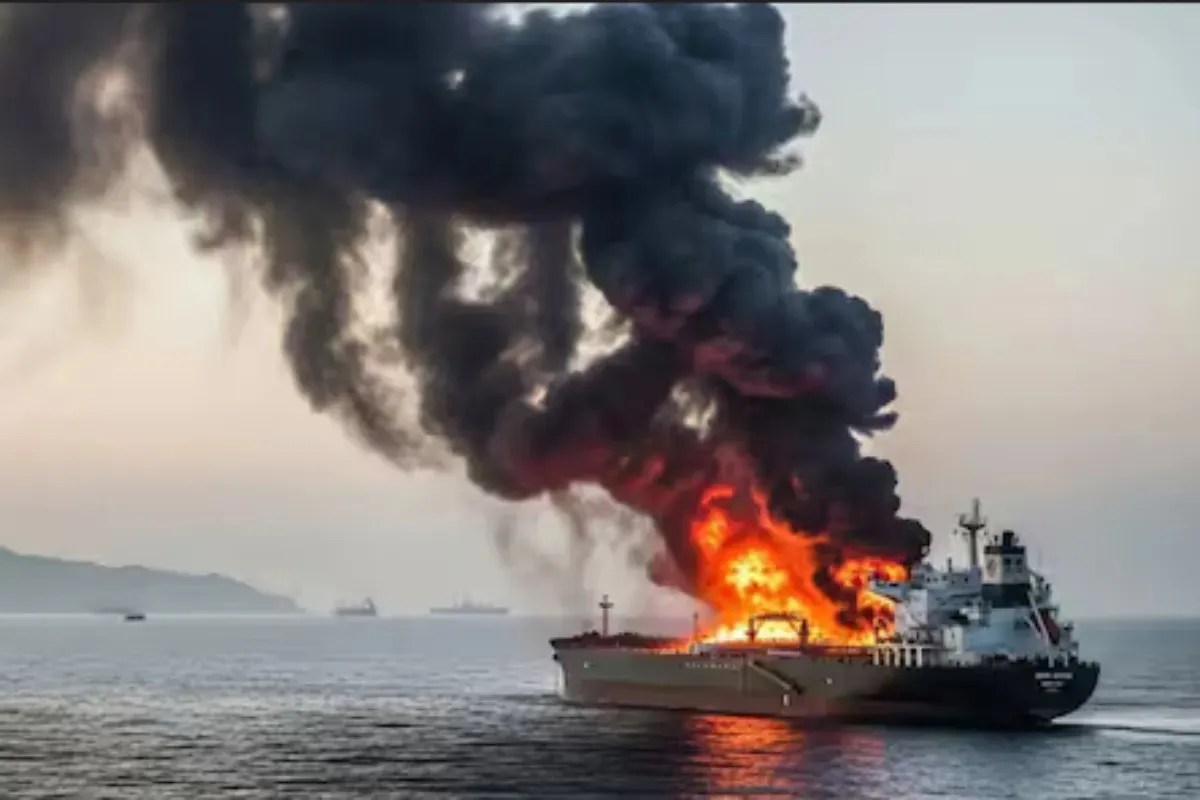
For nearly six months, since the U.S. and Israel launched military operations against Iran, the Strait of Hormuz has remained effectively shut down. This narrow strip of water handles a massive portion of the world's petroleum supply. By keeping it locked down and absorbing economic blows without collapsing, Iran's leadership claims victory simply by staying upright and refusing to cave to Western ultimatums.
Meanwhile, the economic pressure campaign from Washington aims to break that resolve. President Donald Trump has made it clear that financial warfare will intensify. The goal is simple: starve the regime of resources until it abandons its nuclear program and normalizes regional transit.
Cracks in Western Policy Messaging
While economic battles rage, diplomatic friction is happening out in the open. Take the recent remarks from U.S. Ambassador to Turkey and special envoy for Syria, Tom Barrack.
During an interview with entrepreneur Mario Nawfal, Barrack bluntly stated that Israel "still" occupies the Golan Heights in violation of United Nations resolutions. That statement immediately threw a wrench into established diplomatic narratives.
To understand why this matters, you have to look back. Israel captured the Golan Heights from Syria during the 1967 war and formally annexed it in 1981. For decades, the official U.S. stance aligned with the international consensus that the land is occupied territory. That changed in March 2019 when the Trump administration signed a proclamation recognizing Israeli sovereignty over the region, breaking decades of precedent. Only a tiny handful of nations, such as Colombia earlier this month, have followed suit.
When a high-ranking U.S. envoy publicly characterizes that control as an occupation violating international law, it triggers massive shockwaves. Conservative figures and presidential allies instantly pushed back, demanding resignations and accusing the envoy of misinterpreting official foreign policy.
What Comes Next for the Region
The situation on the ground remains volatile. France and Saudi Arabia are actively working on plans to bypass the Strait of Hormuz entirely to keep energy supplies flowing. If they succeed, Iran's primary economic leverage diminishes overnight.
You are watching a high-stakes war of attrition. Tehran claims the global community acknowledges its survival as a triumph, while Washington ramps up financial blockades and internal diplomatic contradictions spill into public view.
Track the energy markets and watch how regional allies respond to alternative shipping routes. That is where the real outcome of this conflict will be decided.