The headlines are buzzing about Tehran and Baghdad drawing a hard line. You’ve likely seen the reports about Iranian Parliament Speaker Mohammad Bagher Ghalibaf visiting Iraq and making bold claims. It sounds dramatic, right? But if you strip away the official rhetoric, you’re looking at a fundamental shift in Middle Eastern power dynamics that has been brewing for years.
Most casual observers see this as just another diplomatic handshake. It’s actually much deeper. This isn't just about regional buddies; it’s about a calculated move to push back against external influence that has dominated Iraqi policy since the 2003 invasion.
The Real Story Behind the Rhetoric
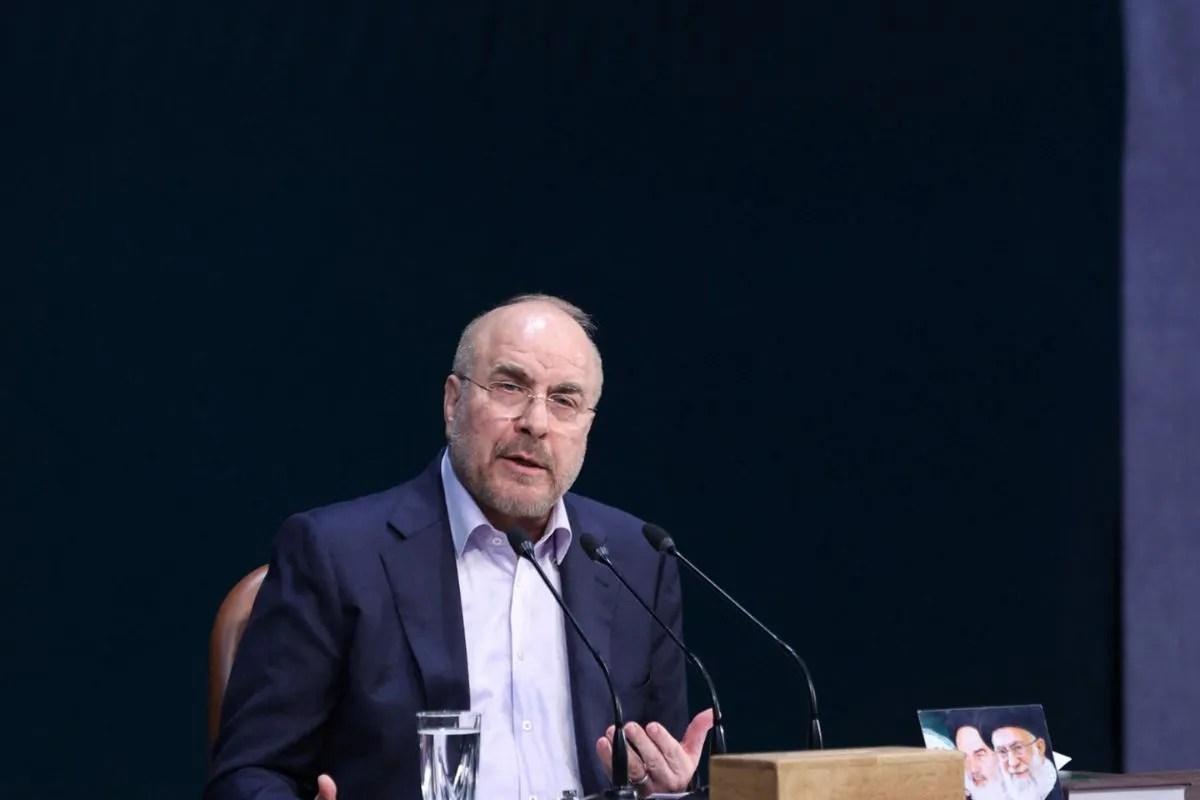
When Ghalibaf stood in Karbala and declared that Tehran and Baghdad won’t let foreign powers dictate their future, he wasn't just talking to the crowd. He was sending a direct signal to Washington, London, and Brussels.
Why does this matter now? Because for two decades, Iraq has been a tug-of-war battleground. On one side, you have American military and economic infrastructure that has held deep sway over Baghdad’s decision-making. On the other, Iran has maintained a massive, often invisible, network of political and militia influence.
The shift you’re seeing in 2026 is Iraq trying to break the cycle. They aren't just pivoting to Iran; they are actively seeking a model where their economic and security decisions are made in the region, not in Western capitals. This is a direct challenge to the status quo.
Why This Isn't Just Another Diplomatic Blip
If you follow geopolitical trends, you know that alliances in this part of the world are rarely about simple friendship. They are about survival and economic necessity.
- Economic Integration: The push isn't just military. It’s about energy deals, infrastructure projects, and trade routes that bypass traditional Western-controlled financial systems. When Ghalibaf mentions economic prosperity, he is talking about creating an integrated market that makes both nations less vulnerable to sanctions.
- Security Autonomy: Iran has provided significant support to Iraqi security forces over the last decade, particularly in the fight against non-state actors. Baghdad is now signaling that it prefers this regional partnership over relying on Western security guarantees that often come with heavy political strings.
- The Religious Link: You can’t ignore the shared history. The ties between the clerical establishments in Najaf and Qom are historical constants. Leveraging these links creates a cultural legitimacy for this alliance that Western powers have struggled to counter.
What Most People Get Wrong
People often assume Iraq is a "puppet" state. That is lazy analysis. Iraq is a complex, fractured nation with a young population that is tired of being the playground for superpower competition.
The current government in Baghdad is walking a tightrope. They know that cutting off the West completely would be economic suicide. Yet, they also know that sticking too close to Western policy makes them an easy target for domestic unrest and Iranian pressure. This "new" friendship with Iran is actually a move toward a more "sovereign" middle ground. They want to be able to say "no" to both sides when it suits their national interest.
The Western Perspective
It’s easy to see why this raises concerns in the West. If Iraq—a country where the U.S. poured billions—moves firmly into the Iranian orbit, it’s a strategic defeat for Western regional objectives. It makes it harder to police oil flows, harder to influence regional security, and easier for Tehran to project power from the Mediterranean to the Persian Gulf.
But here is the reality: The West lost its exclusive leverage years ago. The rise of multi-polar regionalism means that countries like Iraq are no longer waiting for permission from Washington to sign trade deals or form security pacts.
How to Read the News from Here
Don’t get distracted by the fiery speeches. Watch the infrastructure projects. Watch the border crossings. Look for specific agreements on electricity, natural gas, and cross-border rail links. These are the real markers of this alliance.
If you’re tracking this for business or regional analysis, pay attention to:
- Energy deals: Any movement on joint oil and gas fields or electricity grid integration between the two.
- Banking protocols: Any shift towards using local currencies for trade, which would signal a move away from the U.S. dollar for bilateral commerce.
- Security coordination: How frequently the top military brass meet to discuss border control and "internal" stability projects.
This isn't a temporary phase. It’s the result of two decades of changing realities. The Middle East is moving toward a system where local players define the rules, and the Iran-Iraq relationship is the centerpiece of that evolution. Expect more public declarations of defiance and more quiet, behind-the-scenes integration in the months to come.