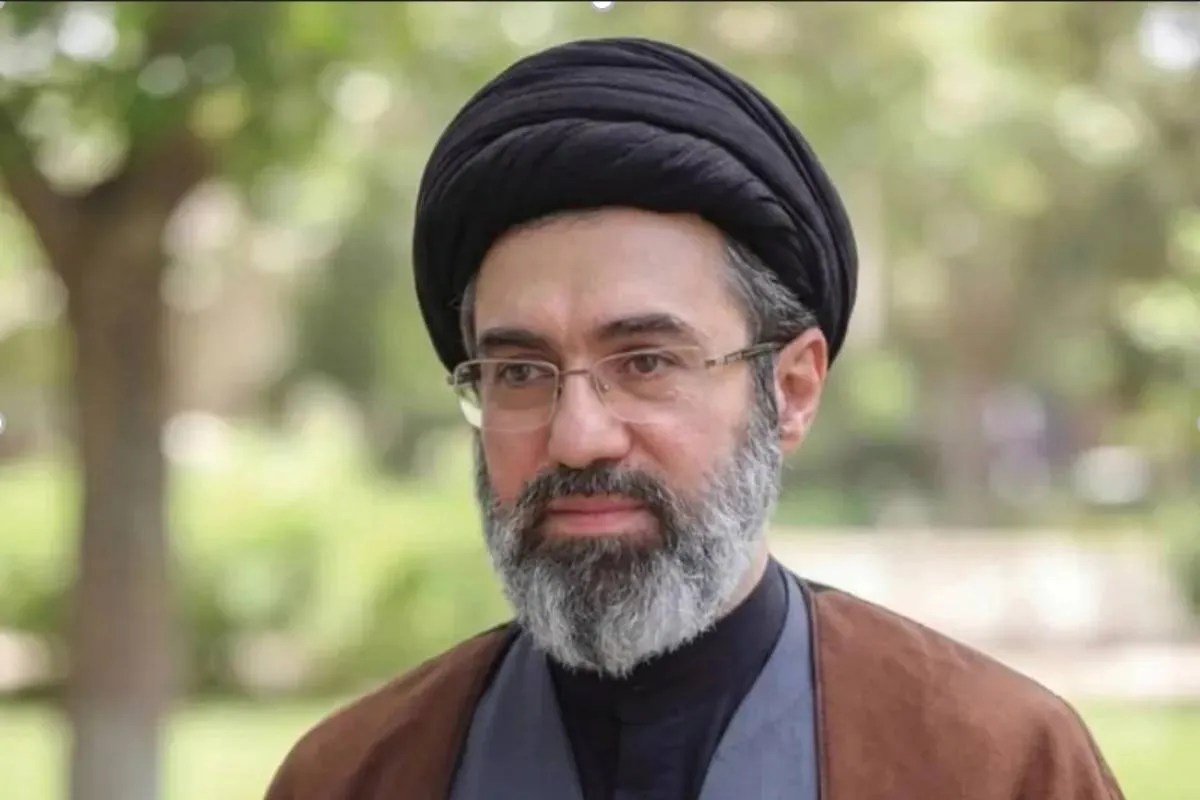
Iran just buried its former Supreme Leader, Ayatollah Ali Khamenei, after a massive, multi-city funeral circuit that stretched across borders into Iraq. The regime pulled out every classic playbook move. Massive crowds packed the streets, black-clad mourners wept, and anti-American chants echoed through Tehran, Qom, Najaf, and Mashhad.
But amidst the choreographed displays of defiance and grief, the most critical figure was missing.
Ayatollah Mojtaba Khamenei, the son who was quietly appointed as the new Supreme Leader by a clerical council just days after his father died in a devastating military strike, didn't show up. He hasn't been seen in public since the war broke out. While state media advertised that Mojtaba would lead a high-profile condolence ceremony in Qom, his persistent absence has forced the world to look past the propaganda and confront a glaring reality: Iran's new leadership is currently running the country from an undisclosed bunker.
The Real Reason Behind Mojtaba Continued Disappearance
If you're following the official statements out of Tehran, the narrative is all about security. Iranian intelligence agencies claim they're limiting Mojtaba's public exposure to protect him from potential follow-up American or Israeli drone strikes. It makes sense on paper. The February airstrikes didn't just kill his father; they wiped out an entire inner circle, including Mojtaba's wife, sister, and teenage niece.
But whispered accounts from senior sources inside Tehran reveal a much darker reason for the secrecy.
Mojtaba didn't escape that February blast unscathed. He was reportedly severely wounded in the exact same attack. Insiders report he sustained massive injuries to his limbs and deep facial disfigurement. He is recovering, but he simply doesn't have the physical stamina—or the presentable appearance—to stand before cameras and command the respect of a deeply traditional, image-conscious clerical establishment.
For a regime that relies heavily on the optical illusion of absolute, divinely protected strength, broadcasting a visibly broken leader is a risk they can't afford.
A Ghost King Rules by Courier
Right now, Iran is experiencing a bizarre political anomaly. The man holding ultimate religious and political authority is essentially a ghost. Since taking the mantle of Supreme Leader, Mojtaba hasn't released a single video clip, a single audio recording, or even a verified fresh photograph.
Everything issued in his name is written text. Western intelligence agencies note that even top-tier Iranian government officials have no direct line to him. They are relying on a tightly controlled network of couriers and a tiny clique of hardline generals, like Gen. Ahmad Vahidi, to pass messages back and forth.
This creates a dangerous bottleneck. When a country is trying to manage a fragile ceasefire and navigate catastrophic economic strain, relying on paper notes from a hidden bunker isn't a viable long-term strategy. It breeds paranoia within the ranks and invites internal power struggles among the political elites who are left guessing what the leader actually wants.
What This Secrecy Means for the Rest of the World
Don't mistake Mojtaba's physical absence for political weakness. If anything, his isolation might be pushing Iran into a tighter, more dangerous corner.
- The Hardliners are Firmly in Control: General Ahmad Vahidi, a notorious hardliner who recently re-emerged to manage the funeral logistics, is one of the few people with direct access to Mojtaba. This tells us that the military wing and the Islamic Revolutionary Guard Corps (IRGC) are effectively holding the steering wheel while the Supreme Leader heals.
- The Succession is Legally Done but Logistically Fragile: Legally, Mojtaba is the leader. But power in Iran is transactional and highly visual. If months track by without a public address, rivals within the Assembly of Experts might start questioning whether a disfigured, hidden leader can truly embody the Islamic Republic.
- Vengeance is Still the Primary Currency: The red "Ya Hussein" flag draped over the elder Khamenei's casket during the viewing ceremonies is a direct symbol of unfulfilled revenge. Even if Mojtaba stays underground, the regime will keep using his father's martyrdom to rally its proxy networks across the Middle East.
Iran wanted the world to see the massive funeral crowds as a sign of resilience and continuity. Instead, the empty space where the new Supreme Leader should have been standing spoke volumes. You can't project absolute power when your sovereign is too afraid, or too broken, to step into the light.
Keep your eyes on the written decrees coming out of Tehran over the next few weeks. If the regime continues to substitute actual appearances with faceless text, it's a sign that the internal fractures are runnier than they care to admit.