Tehran has drawn a hard line. Iran just laid out a specific set of seven demands to end the ongoing military conflict with the United States, throwing the ball back into Washington's court. If you are wondering what it will actually take to stop the fighting, the terms are no longer hidden behind closed diplomatic doors.
Mohsen Rezaei, the secretary of Iran's Supreme National Security Council, made it clear in interviews with regional media that Tehran has communicated these terms through Qatari and Pakistani mediators. Right now, Iran is waiting to see how President Donald Trump responds. But don't expect a soft compromise. Tehran is matching its diplomatic outreach with explicit warnings that it is ready for a prolonged and decisive confrontation if Washington says no. Expanding on this topic, you can find more in: Inside Imran Khan's Adiala Jail Medical Check Up And Why The Prison Health Debate Matters.
The Core Demands on the Table
While officials have outlined a total of seven conditions for restarting formal negotiations, the immediate baseline requirements are glaringly practical. Tehran wants a total halt to hostilities across all operational fronts, the unfreezing of billions in held Iranian funds, and an immediate end to the ongoing US naval blockade.
Parliament Speaker Mohammad Bagher Ghalibaf reinforced this stance by stating that the crucial Strait of Hormuz will stay locked down until these demands are met. The message from Iranian leadership is simple. They want economic relief and sovereign security guarantees before they even sit down at a bargaining table. Analysts at Associated Press have also weighed in on this trend.
Why Military Posturing Remains High
Tehran isn't just waiting around for a reply from the White House. Iranian military planners are assuming another US strike is entirely possible. Following the collapse of previous memorandums of understanding and earlier rounds of direct clashes that began earlier this year, Iran has shifted its military doctrine.
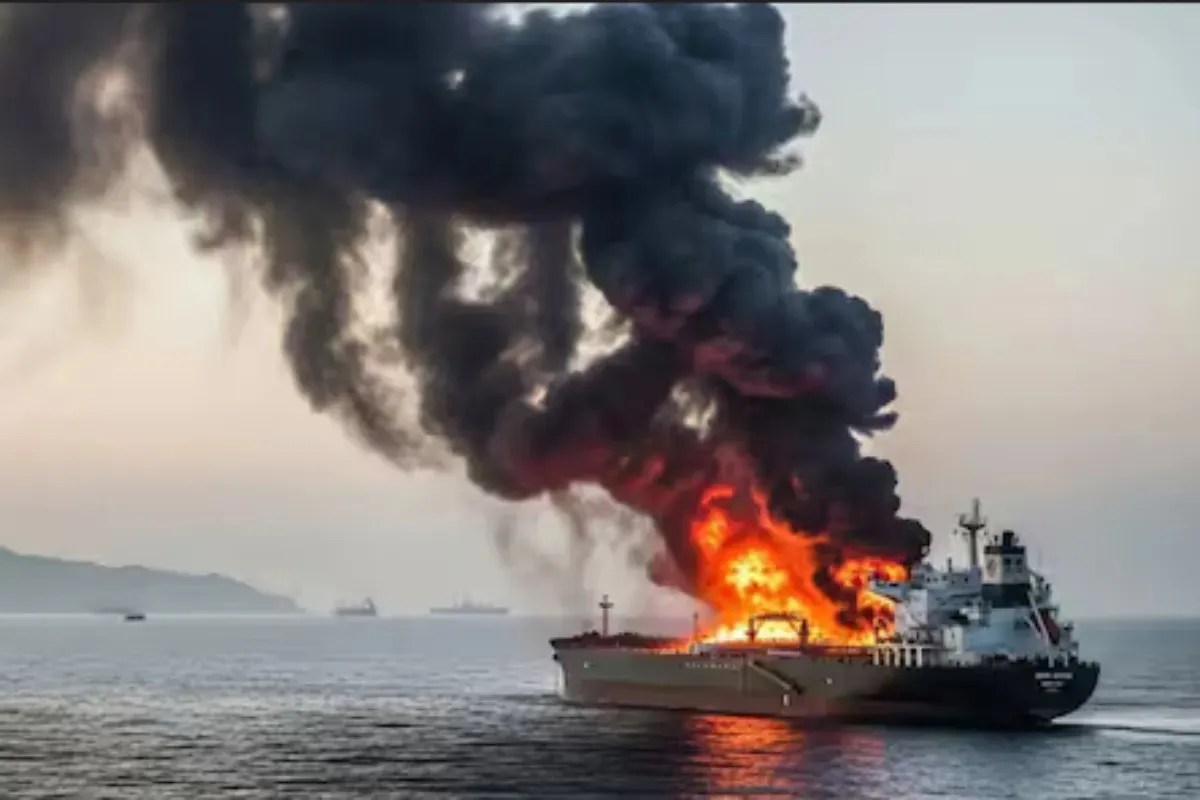
Instead of relying on old defensive setups, Iranian forces are actively targeting maritime vulnerabilities. Tehran claims it recently test-fired advanced multi-warhead anti-ship missiles close to US naval assets operating across the Persian Gulf, the Gulf of Oman, and the Arabian Sea. Iranian officials have warned that any future American offensive will trigger immediate retaliation against regional US bases and commercial American interests.
The Nuclear Wildcard and Diplomatic Realities
Behind the naval standoff and economic demands, the contentious nuclear question looms large. Tehran maintains that its nuclear path hasn't changed and that it still adheres to religious decrees banning weapons of mass destruction. At the same time, top security officials have cautioned that continued American pressure or any new referral of the Iranian nuclear file to the UN Security Council could easily push Tehran to break away from the Nuclear Non-Proliferation Treaty entirely.
Meanwhile, diplomatic channels aren't completely dead. Regional mediators in Doha and Islamabad are working overtime to keep a communication lifeline open, especially as international delegations gather for the UN General Assembly in New York.
Washington faces a high-stakes choice. Trump recently admitted he is weighing a major decision on whether to escalate operations or wind down the conflict as domestic political milestones approach. Whether the White House views Iran's seven conditions as a starting point or a non-starter will dictate the next phase of the crisis.
Watch how Washington responds to the frozen funds and naval blockades in the coming days. That reaction will tell you whether peace is actually close or if a deeper escalation is locked in.