Iran just threw a massive wrench into the fragile peace gripping the Middle East. Right as the ink dries on the April ceasefire agreement, Tehran claims it has ironclad, undeniable proof naming the exact countries that aided the US-Israeli coalition during the recent war.
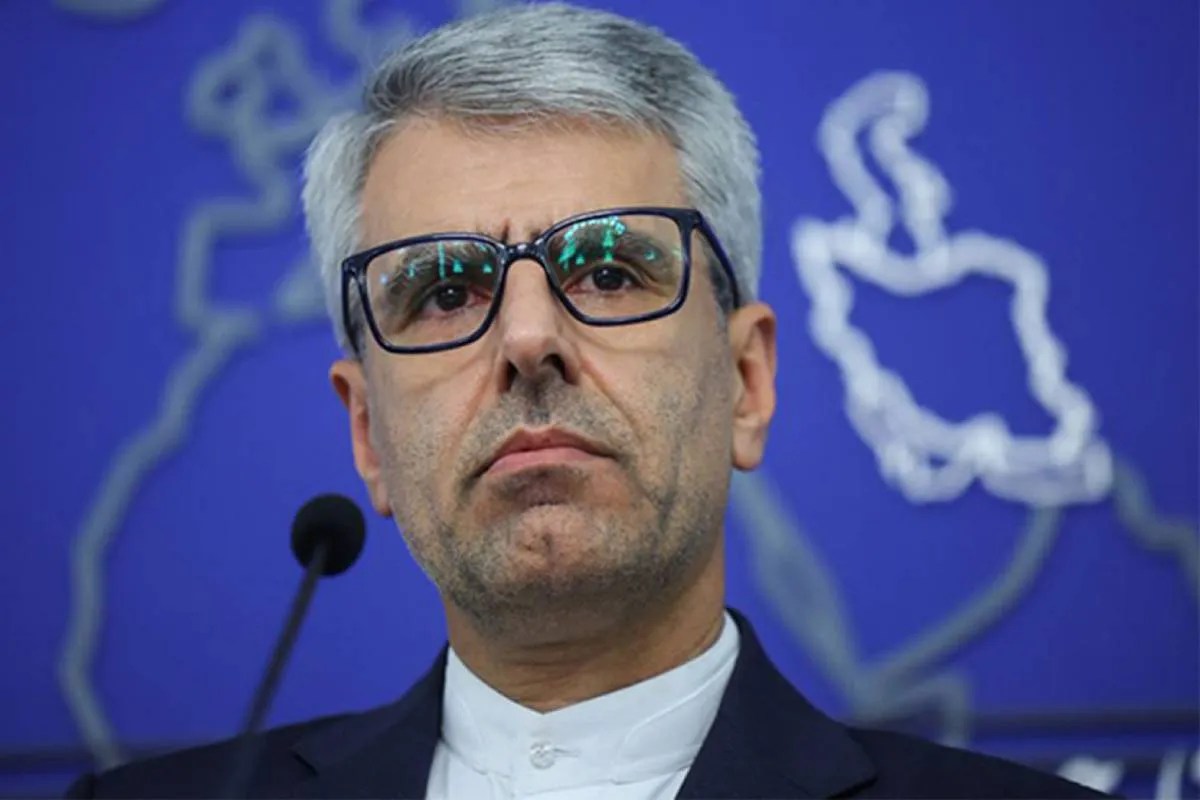
Iranian Foreign Ministry spokesperson Esmaeil Baghaei dropped the bombshell during a tense briefing. This isn't just standard diplomatic posturing. It's a direct warning shot across the bow for regional and international players who thought their covert logistical support during the conflict would stay hidden. Tehran is explicitly telling these nations to prepare for the consequences.
The timing couldn't be worse. With oil markets highly sensitive and the Strait of Hormuz acting as a geopolitical trigger point, this revelation threatens to shatter the delicate diplomatic talks currently happening behind closed doors in Switzerland.
The Evidence Tehran Claims to Hold
Let's look at what's actually happening here. Iran isn't just throwing blind accusations. Baghaei made it clear that their intelligence agencies have meticulously documented airspace violations, intelligence sharing, and refueling support provided to US and Israeli forces during the intensive bombing campaigns earlier this year.
During the conflict, several regional actors publicly claimed neutrality. They wanted to keep their hands clean while ensuring their ties with Washington remained intact. Iran's latest stance blows that cover entirely. By asserting they possess hard evidence, Tehran is forcing these unnamed countries into a corner.
The message from the Iranian Foreign Ministry is simple. If you helped bomb our infrastructure or track our missile systems, don't expect business as usual. You will face the geopolitical blowback.
Shattering the Switzerland Peace Talks
This escalatory rhetoric completely derails the narrative coming out of the ongoing technical negotiations in Bürgenstock, Switzerland. Just days ago, US officials were sounding optimistic about a 14-point memorandum of understanding. In fact, Vice President JD Vance was publicly celebrating what he called a foundation for long-term stability, even hinting that Iran might let international inspectors back into damaged facilities.
Baghaei completely shot down that optimism. He flatly denied any agreement regarding nuclear inspections, reminding everyone that Iran won't bow to heavy-handed pressure. Tensions spiked even higher after Donald Trump issued a fierce warning on Truth Social, threatening to hit Iran harder than before if it didn't rein in regional proxies.
Iran immediately walked out of the scheduled quadrilateral meetings with Pakistan and Qatar, refusing to negotiate with a gun to its head. The shift from technical talks about frozen assets and oil licenses to raw, aggressive warnings about wartime intelligence shows just how close this truce is to collapsing.
What This Means for Regional Stability
Why does this matter to you? Because regional compliance dictates global energy security. When Iran warns of consequences, it usually plays out in a few predictable, highly disruptive ways.
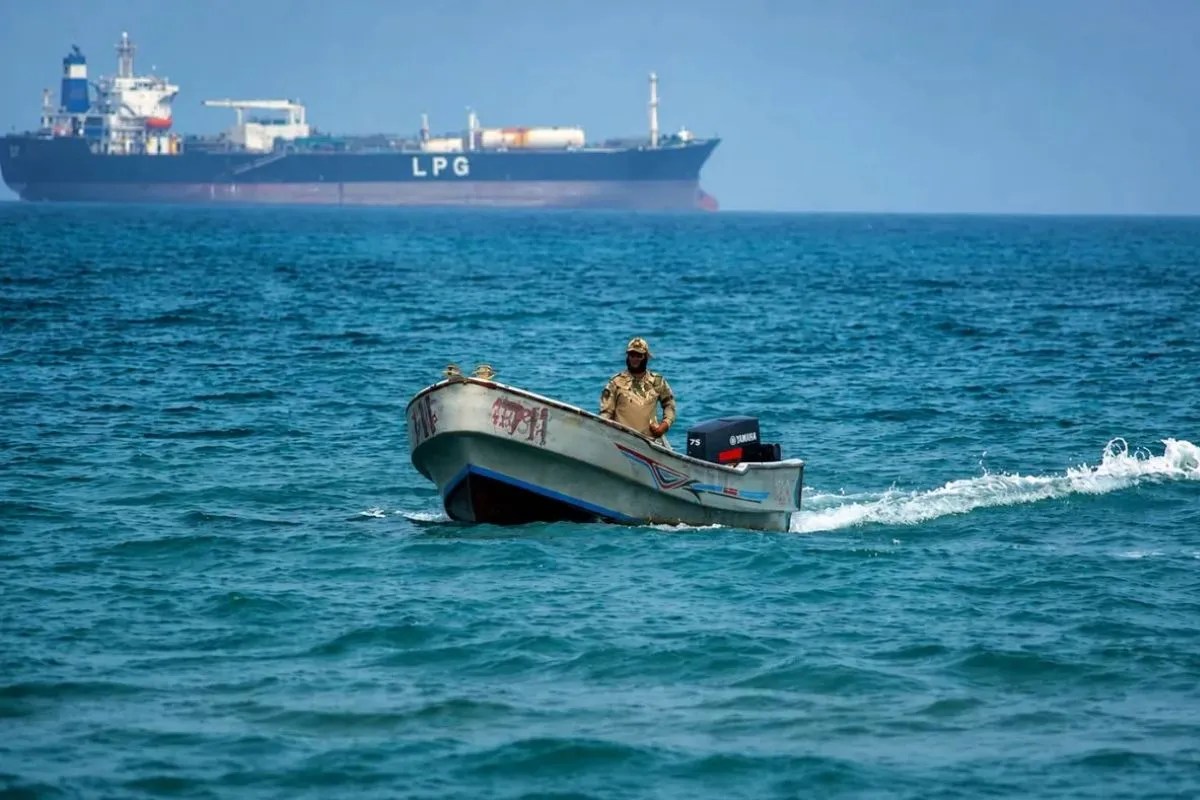
- Strait of Hormuz Chokepoint: Tehran has already threatened to impose strict maritime fees or shut down transit entirely. A fifth of the world's oil flows through this narrow strip. If Iran retaliates against neighbor states that aided the US and Israel, expect naval friction to spike.
- The Proxy Proxy War: Countries that quietly offered radar data or basing rights to the US coalition might suddenly find themselves dealing with localized cyberattacks or asymmetric security threats.
- Diplomatic Realignment: Iran is drawing a hard line in the sand. You are either with them or against them. This forces nations in the Gulf and Europe to reassess their defense pacts with the US if it means becoming a permanent Iranian target.
What Happens Next
The diplomatic chess match is moving fast, and the next steps will determine if the region slides back into active combat.
- Watch the Oil Permits: Iran confirmed that licenses for its oil and petrochemical sales were technically issued, giving them some financial breathing room. If the US revokes these in response to Iran's threats, the April truce is effectively dead.
- The Mystery Lists: Keep a close eye on whether Tehran leaks specific satellite data or flight logs. Naming and shaming specific Arab or European nations will trigger immediate diplomatic crises.
- The Meddling Mediators: Qatar and Pakistan are working overtime to salvage the backchannel communication lines. Watch for whether they can convince Iran to rejoin direct talks despite the escalating rhetoric.
The war of weapons might have paused, but the war of intelligence and retribution is just getting started. Take the current ceasefire with a massive grain of salt.