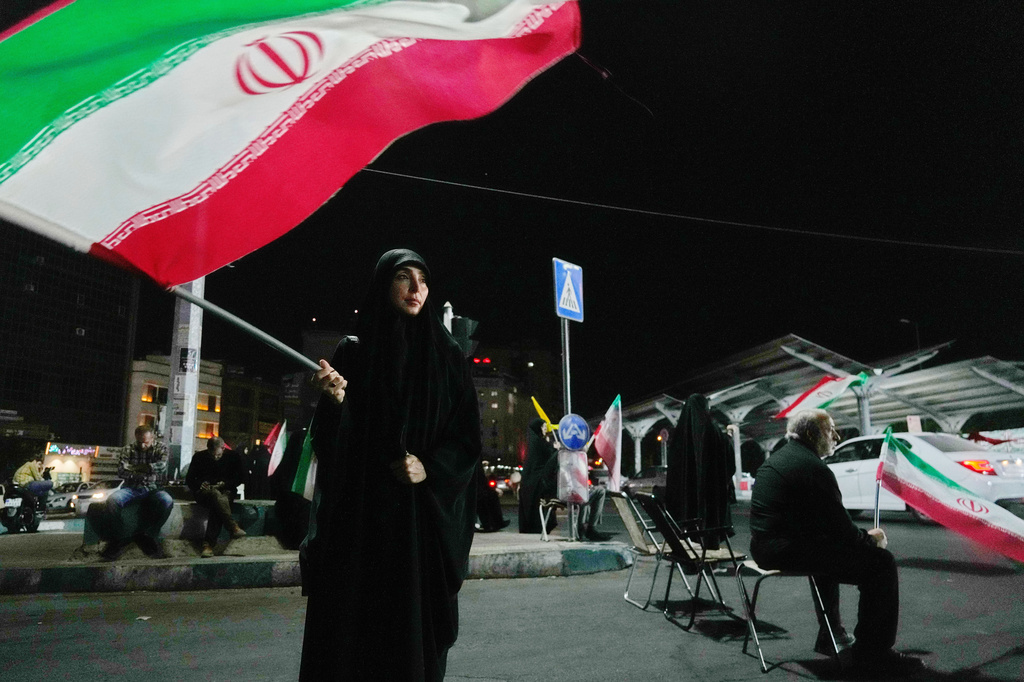
Tehran just handed Washington a list of demands through regional mediators, claiming it wants a way out of the current conflict. Iran's Security Chief Mohsen Rezaei went on record to state that conditions for ending the war and restarting negotiations have been passed directly to the United States via Qatar.
If you are wondering why Iran is changing its tone now, you have to look at the broader picture. The memorandum of understanding expired last month, diplomatic channels have nearly flatlined, and domestic pressure is mounting on both sides. But Tehran isn't walking to the negotiating table empty-handed or apologetic. They are coupling their diplomatic outreach with hard military posturing.
Let's look at what Tehran actually wants and why this message matters.
What Iran Is Demanding From the US
Rezaei laid out three core conditions for any serious return to talks. Tehran wants an immediate end to the war on all fronts, the release of frozen Iranian financial assets, and a complete halt to the US naval blockade choking its shipping lines.
These aren't minor requests. They represent the exact sticking points that dragged the region into full-scale conflict in late February. Washington hasn't officially accepted these terms, and President Donald Trump’s administration is currently weighing its next move amid heavy political backlash at home. Recent polls show rising voter dissatisfaction over the trajectory of the confrontation, giving Tehran room to test diplomatic waters.
Qatar and Pakistan are working overtime as go-betweens, shuttling messages back and forth. But diplomacy is only half the strategy.
The Dual Track of Diplomacy and Defiance
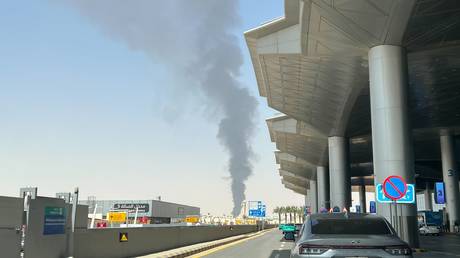
You cannot understand Tehran's current moves without looking at the military backdrop. Rezaei didn't just talk about peace; he paired every olive branch with a heavy missile threat.
Iran claims it has successfully tested a multi-warhead anti-ship missile close to a US aircraft carrier. They are broadcasting a clear message: their military strategy has shifted, and they believe they have identified vulnerabilities in American air defenses. Tehran is banking on the idea that public fatigue in the US will force a rethink in Washington.
At the same time, international pressure is compounding. Recent United Nations findings pointed to serious civilian casualties from US strikes inside Iran, adding a layer of legal and public relations toxicity to the war.
What Happens Next
We are sitting in a waiting room right now. Tehran says it is waiting for a formal response from Washington via Qatari channels. Meanwhile, regional actors are scrambling to secure maritime routes, and domestic opposition to the war inside the United States continues to spike.
Don't expect an instant breakthrough. The gap between freezing assets and releasing them is wide, and neither side wants to look weak first. Watch the responses coming out of the White House over the next few days to see if backchannel talks through Doha hold any real weight.