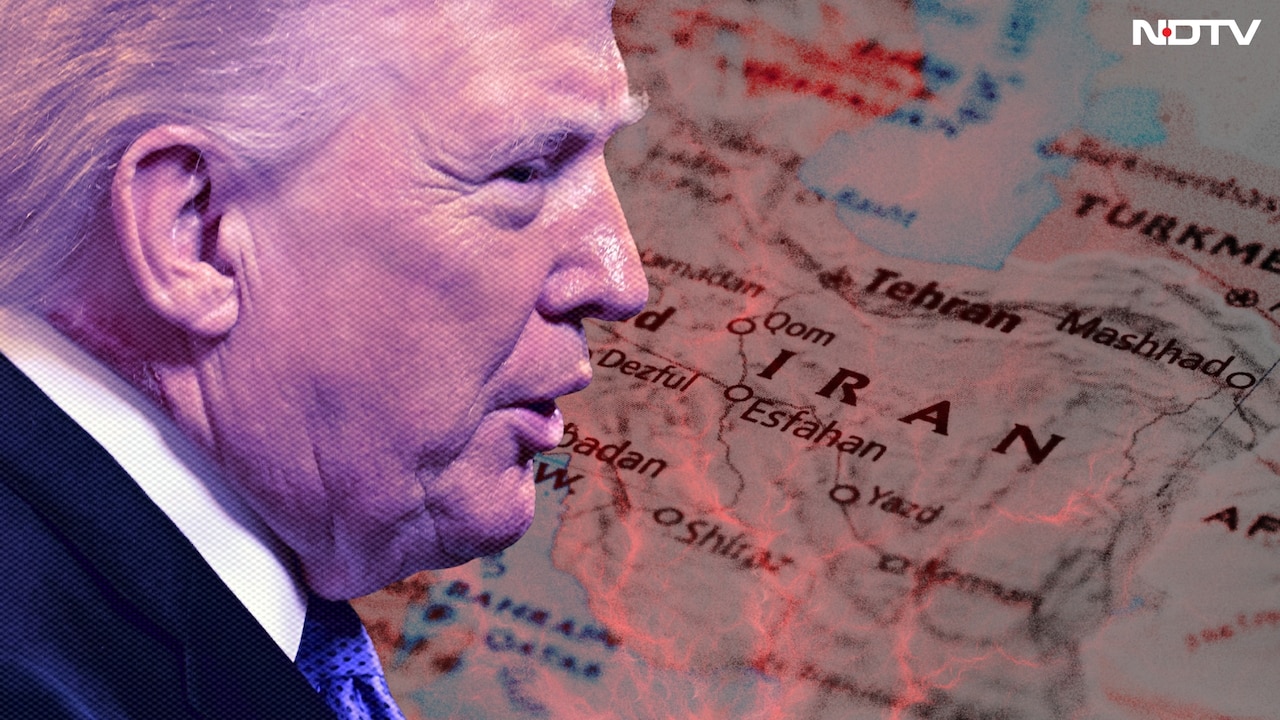
Donald Trump just declared that the fragile truce with Iran might be over. If you've been watching the chaotic back-and-forth between Washington and Tehran over the last few months, this shouldn't surprise you. Diplomatic agreements built on a foundation of recent missile strikes and assassinations don't tend to hold up well.
The latest breakdown comes after a series of fresh military exchanges in the Strait of Hormuz. Just weeks after both sides touted a preliminary peace agreement signed in Europe, the region is right back on the brink of full-scale war.
To understand why this latest Iran US deal fell apart so quickly, you have to look at how we got here. This isn't just a localized spat. It's a deep-seated conflict that erupted into an all-out shooting war earlier this year, and the structural flaws of the June roadmap made a return to violence almost inevitable.
The Illusion of Peace in Geneva
Back in mid-June, global markets rallied. Oil prices dipped, and a collective sigh of relief echoed across international capitals. Washington and Tehran had announced an interim agreement, mediated by Pakistan, to halt more than three months of intense military conflict. The deal promised an immediate end to hostilities, the reopening of the Strait of Hormuz, and a 60-day roadmap for deeper diplomatic negotiations.
But the optimism was incredibly premature.
The agreement was fundamentally flawed from day one. It tried to paper over a massive regional war without addressing the core security concerns of the actual combatants on the ground. Washington spun the deal as a massive victory, while Tehran remained publicly skeptical, openly stating that trust had not been earned. They were right to be cautious. A document signed in a European conference room means very little when rockets are still stockpiled across southern Lebanon and Western naval forces are actively patrolling the Persian Gulf.
How the 2026 Conflict Rewrote the Rules
You can't grasp the fragility of the recent negotiations without looking at the sheer scale of the violence that preceded them. The war didn't start with a slow escalation. It started with a massive, decapitating blow.
On February 28, a joint operation by Israel and the United States targeted top-tier leadership inside Iran. The strike killed Supreme Leader Ayatollah Ali Khamenei along with several other high-ranking officials. It was an unprecedented escalation that completely upended decades of cold war dynamics in the Middle East.
Iran didn't back down. Tehran responded by launching massive retaliatory strikes against Israeli targets and American assets across the Gulf region. More importantly, the Iranian military asserted direct control over the Strait of Hormuz, effectively choking off a vital artery for global energy supplies. Within days, the Iranian-backed militant group Hezbollah entered the fray from Lebanon, prompting a massive Israeli ground invasion of southern Lebanon.
By the time Iran named Mojtaba Khamenei, the late Supreme Leader's son, as the new head of state in March, the region was entirely engulfed in flames. The younger Khamenei went into deep hiding immediately, reportedly injured in the initial February strikes, leaving a fractured military command to run the war effort.
The Fractured Timeline of a Collapsing Truce
When you map out the attempts to end this conflict, you see a clear pattern of short-lived pauses followed by even heavier fighting. Every single diplomatic breakthrough over the past few months has been undone by actions on the ground.
- April 7: The sides reached a shaky two-week ceasefire. Crucially, Israel wasn't a party to these specific discussions. This exclusion meant the underlying friction between Israel and Iranian proxies remained completely unaddressed.
- April 12: Face-to-face talks in Islamabad collapsed without an agreement.
- April 13: Trump announced a strict naval blockade of Iranian ports, attempting to force Tehran to relinquish its grip on global shipping lanes.
- June 14: After weeks of back-channel maneuvering and a high-level summit at Lake Lucerne featuring Vice President JD Vance, the interim peace deal was announced. Iran agreed to open the Strait of Hormuz in exchange for partial sanctions relief and the unfreezing of restricted assets.
- July 7: The peace completely shattered. Iran was accused of targeting three commercial vessels in the Strait of Hormuz as maritime traffic tried to return to normal. The US military responded immediately, launching heavy strikes against dozens of military targets inside Iran and fully reinstating the energy sanctions it had just agreed to lift.
- July 8: Trump officially declared that the ceasefire was effectively over, though he left a tiny window open for ongoing talks.
Why Paper Agreements Cant Fix This Crisis
The core problem with the Iran US deal is that both sides are operating with completely incompatible goals. Washington wants a compliant Iran that halts its nuclear ambitions, stops backing regional militias, and guarantees the free flow of oil through international waters. Tehran, under a battered but highly defensive regime, views its regional proxies and its defensive missile capabilities as essential for its survival.
When the June agreement laid out a 60-day roadmap for nuclear negotiations, it ignored the reality that Iran's leadership was in transition and deeply paranoid after the loss of their long-time supreme leader. They used the temporary pause to regroup, not to reform.
Simultaneously, the situation in Lebanon created a massive blind spot. The June deal supposedly included an end to hostilities on all fronts, including Lebanon. Yet, Israel and Hezbollah never truly stopped trading fire. You can't have a stable peace agreement between Washington and Tehran when their respective allies on the ground are actively killing each other in southern Lebanon.
The Economic Realities of the Shipping Blockade
The real battlefield right now isn't just the skies over Tehran or the hills of Galilee. It's the water. The Strait of Hormuz sees roughly a fifth of the world's petroleum pass through it daily. When Iran blocks that strait, global supply chains break down fast.
The June deal briefly restored safe shipping, and global energy markets reacted with a brief sigh of relief. But the moment those three cargo ships were hit in early July, the premium on global oil spiked right back up. Insurance companies immediately hiked rates for transit through the Gulf, making commercial shipping nearly impossible without heavy military escorts.
Trump's decision to reinstate energy sanctions and hit back with dozens of domestic strikes shows that the white House has abandoned the idea that economic carrots will work. The administration is betting that total economic isolation will force the new Iranian leadership to compliance. History suggests it usually does the opposite.
What Happens Next on the Ground
Don't expect a sudden return to the negotiating table. The era of believing a quick diplomatic memorandum can fix this structural rivalry is gone. The language coming out of Tehran has shifted from cautious diplomacy to outright defiance, with their lead negotiators publicly declaring that they will no longer tolerate Western extortion.
Military commanders in the Pentagon are already positioning assets for a prolonged maritime security operation. We are looking at a sustained campaign of convoy escorts in the Gulf, paired with targeted airstrikes whenever Iranian forces attempt to disrupt the shipping channels.
If you are trying to track where this crisis goes next, stop looking at the diplomatic statements coming out of European capitals. Watch the ship movements in the Gulf and the troop deployments along the Lebanese border. Those are the only metrics that actually matter right now. The paperwork is dead, and the conflict has officially entered its next dangerous phase.