Billions vanish into the Middle East sandbox every single week. The Pentagon just dropped a staggering new figure on Congress regarding the Iran war, and it forces a hard look at the actual price tag of modern military entanglements.
Official documents show the price has ballooned to US$43.6 billion. That number isn't just a random estimate pulled out of thin air. It breaks down into precise financial pain. Also making waves in related news: Why The Battle For The Kennedy Center Is About Much More Than Architecture.
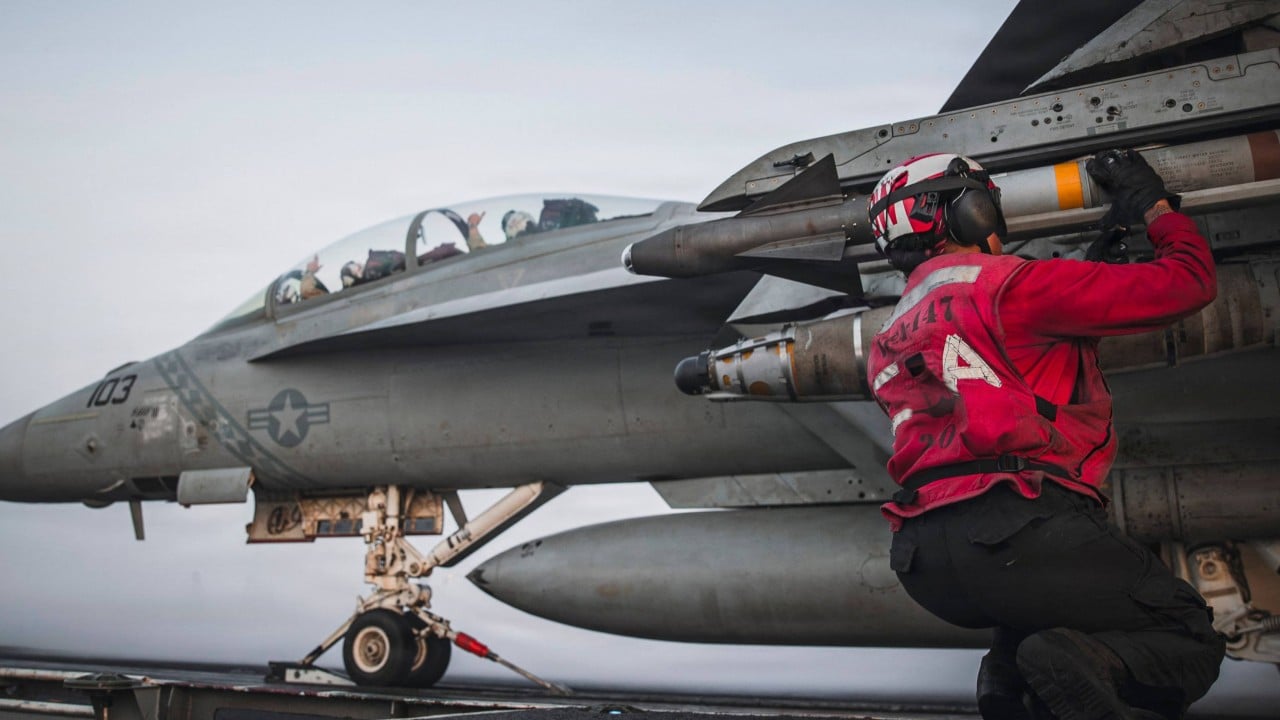
About US$11.2 billion is already locked into operational expenses. Think fuel consumption, hazard and combat pay, constant aircraft rotations, frontline medical care, and critical maintenance parts. Then comes the heavier blow: US$32.4 billion dedicated to replacing depleted munitions, fixing damaged aircraft, and buying back military assets burned through in active engagements.
It gets worse. That official US$43.6 billion price tag skips a massive chunk of reality. It leaves out the heavy cost of repairing extensive damage done to US military facilities scattered across eight different countries in the region. When you factor in base restorations and infrastructure fixes, the real-world financial damage scales even higher. Further insights on this are explored by Associated Press.
Public fatigue is rising fast. Voters are feeling the pinch at home. Economic pressures compound daily, and upcoming midterm elections turn this budgetary bleeding into a central political battleground. Polls show sharp opposition to the long-term strategic trajectory of the conflict. Citizens connect the dots between military spending and domestic economic strain.
The Pentagon's accounting gives a clear window into how fast modern high-intensity conflict drains national resources. Replacing smart missiles, high-end interceptors, and combat aircraft costs exponentially more than traditional ordnance. Every deployment cycle accelerates the burn rate.
Taxpayers pick up the tab. Congress debates future funding bills. The military machine keeps running.
Track official defense subcommittee reports and monitor upcoming budget allocations to see where the next wave of defense spending goes. Keep an eye on legislative hearings to understand how future supplementals will impact national debt and domestic priorities.