Scoreboards lie. They reduce ninety minutes of human sweat, tactical warfare, and raw emotion into cold, hard integers. If you look at the Group I standings at the 2026 World Cup, you see a predictable story. You see France cruising into the knockout stage after a 3-0 victory in Philadelphia. You see Iraq sitting near the bottom, nursing consecutive defeats after their opening -4-1 loss to Norway.
But if you believe that tells the full story of what happened on the waterlogged turf of Lincoln Financial Field, you are completely missing the point.
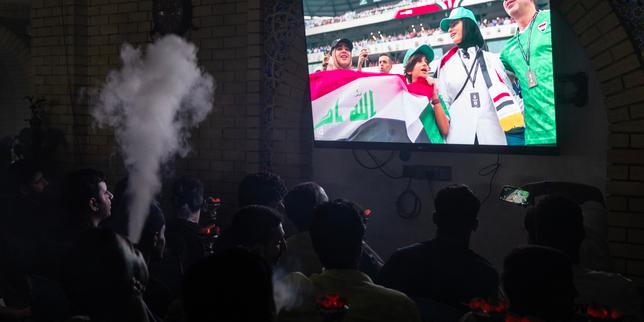
For Iraq, this tournament was never just about advanced metrics, expected goals, or matching the multi-million-dollar depth of European giants. It was about showing up on the global stage for the first time since 1986. It was about giving a deeply fractured nation a single, undivided focus. When Kylian Mbappé was tearing through defenses on his 100th international appearance, millions of people across Baghdad, Erbil, and Basra sat shoulder to shoulder in public squares. They watched the exact same screens. They shared the exact same heartbeat. That is something a 3-0 defeat cannot diminish.
The Philadelphia Storm and the Test of Resilience
Football tournaments often serve up bizarre narratives, but nobody predicted a two-hour weather delay in Pennsylvania turning a football match into an exercise in psychological endurance.
France took an early lead in the 14th minute. Mbappé did what he does best, cutting inside from the left flank and burying a 20-yard curling strike past Iraqi goalkeeper Ahmed Basil. Iraq looked disorganized early on. Amir Al-Ammari picked up a yellow card just six minutes into the match, signaling the intense physical pressure the Iraqi midfield felt trying to contain Manu Koné and Adrien Rabiot.
Then came the real chaos. Just as the referee blew the whistle for halftime, the sky above Philadelphia opened. Heavy rain turned into a severe thunderstorm. Lightning strikes within the eight-mile stadium radius triggered strict safety protocols. Both squads were forced back into their dressing rooms for a staggering 130 minutes.
Managing the Two Hour Intermission
Imagine sitting in a humid locker room for over two hours. Your muscles tighten up. The adrenaline that keeps you moving against a world-class opponent evaporates. For a team like France, loaded with Champions League veterans, handling an unprecedented delay is a matter of professional routine. For Iraq, it was uncharted territory.
Manager Graham Arnold had to keep his players warm, focused, and mentally intact while stadium crews used squeegees to clear sheets of water off the grass. It was a brutal test of focus. When the second half finally got underway, the pitch was slow and swampy.
Costly Errors on Waterlogged Grass
The long delay clearly rattled the Iraqi backline. In the 54th minute, a major breakdown occurred. Young defender Zaid Tahseen attempted a risky pass back toward Ahmed Basil. On a slick, waterlogged pitch, that kind of ball is a recipe for disaster. Ousmane Dembélé pounced on the loose ball, quickly squaring it to Mbappé for an easy tap-in.
Midway through the second half, Michael Olise drove straight through the middle of the Iraqi defensive block, slipping a pass to Dembélé who fired home the third and final goal. It was a clinical punishment of mistakes. Iraq found out the hard way that elite teams do not need dozens of chances. They just need you to make one or two bad decisions in your own defensive third.
Finding Silver Linings in the Tactical Breakdown
It is easy to look at a three-goal margin and assume it was a total blowout. It wasn't. Despite the score, several tactical elements showed that Iraqi football is moving in the right direction.
The Midfield Maturation of Zidane Iqbal
Playing against a midfield consisting of Rabiot and Koné is a nightmare for most players. Yet Zidane Iqbal showed flashes of absolute brilliance. The former Manchester United youth player operated with a level of composure that should encourage every Iraqi fan. He looked for the ball under pressure. He used tight body turns to escape French pressing traps. Instead of just launching long balls to nobody, Iqbal tried to build short, geometric passing triangles out of the back.
The Fighting Spirit of Ali Al-Hamadi
Iraq suffered a massive blow in the 26th minute when star striker Aymen Hussein went down with an injury. Hussein is the focal point of the attack, the man who scored Iraq's solitary goal against Norway in their opening match. Losing him so early felt like a death sentence for the team's offensive plans.
Ali Al-Hamadi came off the bench and immediately changed the energy of the front line. He chased down lost causes. He harried William Saliba and Dayot Upamecano. Late in the second half, Al-Hamadi gave Saliba the slip inside the penalty box, flashing a powerful shot that went agonizingly wide of Mike Maignan’s post. He did not score, but he proved that Iraq has options who refuse to look intimidated by elite European defenders.
The Real Victory is Found in the Streets of Baghdad
To truly understand why this match mattered, you have to look away from the stadium in Philadelphia and look toward the cafes and public parks of Iraq.
For decades, sports media coverage of Iraq focused entirely on conflict, institutional decay, and the impossibility of hosting home matches. The national team spent years wandering from neutral venue to neutral venue, playing "home" games in Jordan, Qatar, or the United Arab Emirates. The simple act of qualifying for this expanded tournament was a monumental achievement.
When the national team plays, the political divisions that usually dominate daily life simply fade into the background. Sunni, Shia, Kurd, and Christian fans wave the same flag. They wear the same green jerseys. They shout for the same players.
Critics might argue that football is a temporary distraction from deep structural issues. They are right. It does not fix the economy. It does not rebuild infrastructure overnight. But do not underestimate the power of a shared collective experience. For a generation of young Iraqis who have known only instability, seeing their nation's name listed alongside France, Argentina, and Brazil on a global broadcast is a form of cultural validation that money cannot buy. It changes how a country views itself.
Crucial Next Steps for Iraqi Football Growth
If Iraq wants to ensure this tournament appearance is not a one-off historical anomaly like 1986, the federation must act quickly. The gap between Asian football and elite European football is still massive, and it will not close without deliberate action. Here are the practical steps that need to happen immediately.
Overhaul the Domestic Infrastructure
You cannot build a modern football powerhouse on sub-standard pitches. Iraq needs heavy, sustained investment in local academies and training facilities. Young players in Baghdad and Basra need access to the same sports science, coaching quality, and nutritional guidance that kids get in Europe or East Asia.
Expand the European Scouting Network
The presence of players like Zidane Iqbal shows the immense value of the Iraqi diaspora. The Iraqi Football Association must expand its scouting network across Europe to identify young talents with Iraqi heritage. Integrating these players into the national setup early brings tactical discipline and experience from top-tier academy systems back into the senior squad.
Stop Playing Scared Against Tier One Opposition
The biggest mistake Iraq made against Norway and in the early minutes against France was showing too much respect to the opponent. They defended too deep, allowing world-class attackers to dictate the tempo of the game. When Iraq pushed forward in the final twenty minutes against France, they looked dangerous. The federation must schedule regular friendly matches against high-level opponents outside of Asia to get the squad comfortable with the pace, physicality, and pressing intensity of global tournament football.
Iraq face Senegal next in Toronto to wrap up their group stage. The knockout rounds might be out of reach, but that match is an opportunity to finish this historic campaign with pride, points, and a clear blueprint for the future. The scoreboard in Philadelphia says Iraq lost, but anyone watching the bigger picture knows they are finally moving forward.