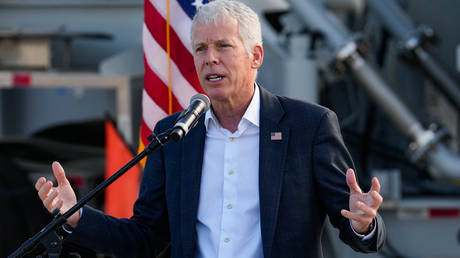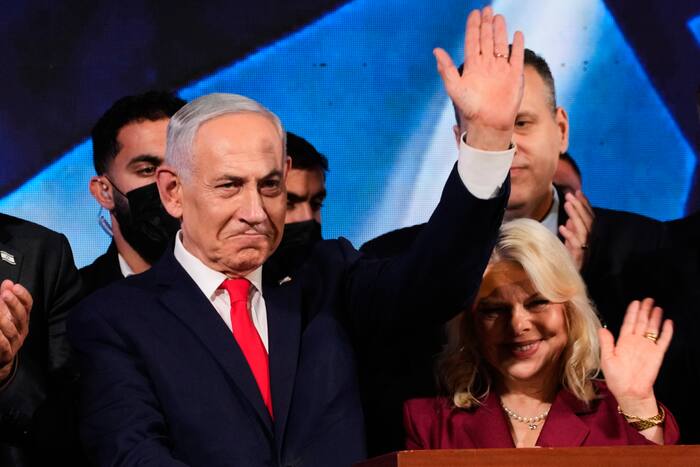
Israel waking up to a political deadlock is hardly breaking news anymore. But the post-election landscape emerging this morning feels strikingly different from previous stalemates.
With vote counting underway across the country, neither Benjamin Netanyahu's Likud-led right-wing bloc nor the opposition coalition headed by former military chief Gadi Eisenkot's Yashar party has secured the 61 seats required for a parliamentary majority in the 120-seat Knesset. With over 60 percent of ballots processed—and an extraordinary 79.9 percent turnout among military personnel—the math points straight to a classic, high-stakes coalition gridlock.
If you're trying to figure out who actually controls the government today or what this means for regional stability, here is the direct breakdown of where things stand and how the next few weeks will play out.
The Core Math Behind Israel's Post-Election Deadlock
Israeli elections don't produce a single winning candidate. Voters choose party lists, and the parliament seats are distributed proportionally. To govern, a prime minister must assemble a coalition holding at least 61 seats.
The latest central election committee figures show Likud leading with roughly 21.4 percent of the vote, followed by Eisenkot’s Yashar party at 16.2 percent. Yet individual party percentages don't tell the full story. When you group these parties into political blocs, neither group reaches that magic 61-seat threshold on its own.
 Knesset Seat Allocation Threshold: 61 Seats Needed for Majority
 ---------------------------------------------------------------
 Netanyahu Bloc (Likud + Allies)  : Short of 61
 Opposition Bloc (Yashar + Allies): Short of 61
 Arab-Led Parties                 : Potential Kingmakers / Key Deciding Factor
This leaves the political system entirely dependent on potential coalition deals, political horse-trading, or the influence of Arab-led parties that have historically been excluded from government coalitions.
How Arab-Led Parties Became the Deciding Factor
The most significant shift in this election cycle isn't the rivalry between Netanyahu and Eisenkot. It's the record-setting turnout among Arab citizens of Israel and the resulting strength of Arab-led parties.
For decades, political strategists in Jerusalem treated Arab-led parties as perpetual outsiders. Netanyahu doubled down on that sentiment during his 3 a.m. address in Jerusalem, explicitly declaring that no viable government should rely on Arab parties.
However, mathematical reality often overrides political ideology. Political analysts point out that without engaging Arab lawmakers or securing their passive support through abstentions, neither major bloc has an obvious path to 61 seats. As Tel Aviv voters noted throughout election day, ignoring a crucial sector of the electorate isn't practical when the remaining seats are split down the middle.
The Immediate Road Ahead and President Herzog's Role
While vote counting finishes, Netanyahu remains in office as caretaker prime minister. That status gives him legal authority to govern, but it limits his political mandate during major foreign policy decisions.
Here is the step-by-step process that will unfold over the coming days:
- Final Tallies and Double-Envelope Votes: Election officials must finish counting standard ballots alongside military, diplomatic, and hospital votes. These "double-envelope" ballots regularly shift one or two seats, which can alter coalition math.
- Consultations with the President: Once results are certified, Israeli President Isaac Herzog will host formal consultations with representatives from every elected party.
- Mandate Assignment: President Herzog will assign the task of forming a government to the party leader he believes stands the best chance of building a 61-seat majority. This is usually—but not legally required to be—the leader of the largest single party.
- The 28-Day Coalition Window: The designated candidate gets 28 days to negotiate cabinet posts, policy guidelines, and legislative promises. If needed, the president can grant a 14-day extension.
If those negotiations fail, the president can transfer the mandate to another leader. If nobody can build a coalition after multiple attempts, Israelis will head back to the polls for yet another general election.
Security Realities and Regional Implications
Political uncertainty in Jerusalem carries immediate real-world consequences across the Middle East. The elections unfolded against a backdrop of ongoing security concerns, active military operations, and regional diplomatic pressure.
International observers, including Omani Foreign Minister Badr al-Busaidi, have urged Israeli leadership to prioritize regional stability and a durable resolution to long-standing conflicts. At the same time, opposition figure Gadi Eisenkot cautioned against using national security decisions for domestic political gain during a transition period.
For world leaders and financial markets, the takeaway is clear: Israel's foreign and defense policies will operate under interim governance until a coalition contract is officially signed and sworn in.
Actionable Next Steps for Tracking the Election Outcome
If you're following the diplomatic, financial, or political impact of these election results, don't rely solely on preliminary exit polls. Follow these practical steps to stay accurate:
- Track Official Central Elections Committee Updates: Avoid speculative seat counts on social media. Monitor direct releases from the Israeli Central Elections Committee for verified seat tallies once double-envelope votes are completely processed.
- Watch President Herzog's Mandate Announcement: Pay close attention to who receives the primary mandate to form a government. The candidate chosen first gains significant leverage in cabinet bargaining.
- Monitor Coalition Guidelines: Watch for formal coalition agreements submitted to the Knesset speaker, particularly regarding defense budgets, judicial reforms, and key ministerial appointments like Finance and Foreign Affairs.