The ink on Washington's latest diplomatic push is barely dry, and already the foundation is cracking. President Donald Trump recently declared that a major agreement has been secured for the complete disarmament of Hamas, framing it as a monumental breakthrough for the Gaza Strip. But behind closed doors in Jerusalem, Israeli officials aren't celebrating. They're looking at the text with extreme skepticism.
If you look past the optimistic rhetoric coming out of the White House, a messy reality emerges. Israel has serious concerns with the proposed Hamas disarmament deal, and those worries aren't just political posturing. They point to deep operational disagreements over sequencing, verification, and the ultimate security of the region.
The Sequence Trap
The core friction point comes down to a classic chicken-and-egg dilemma. Who moves first?
Under the framework pushed by Trump's Board of Peace, the roadmap dictates that Hamas and other militant factions must surrender their heavy and light weaponry. Only as that disarmament process is completed will Israeli military forces begin their phased withdrawal from the territory.
Hamas sees it entirely differently. Senior figures within the militant group have made it clear that Israeli forces must pull back from parts of Gaza first. They argue that surrendering weapons while hostile troops still occupy territory is a non-starter.
Israel looks at this standoff and sees a trap. Israeli leadership demands full demilitarization as an absolute precondition, not a reward for later phases. Netanyahu's government worries that if troops pull back before every tunnel is mapped and every rocket cache is seized, Hamas will simply melt back into the civilian population and rebuild its military wing.
Who Controls the Monopoly on Violence?
Another massive hurdle involves the transition of authority. The plan relies heavily on the National Committee for the Administration of Gaza (NCAG)—a technocratic body meant to handle day-to-day civilian governance. Alongside this committee, plans call for an International Stabilization Force (ISF) and a newly minted Palestinian police force to take over security responsibilities.
Sounds good on paper. In practice, Israel questions the competence and loyalty of any new local policing apparatus.
Can a newly formed police force actually police hardened militants? Will weapons handed over to local authorities quietly find their way back into underground networks? Israel's security establishment has spent decades fighting a shadow war against embedded tunnel networks. They don't trust an untested international peacekeeping buffer to root out remaining weapon caches with the same aggression that the Israel Defense Forces employ.
The Regional Pressure Cooker
Timing also plays a critical role in why this deal is wobbling. The U.S. is pushing hard for a win in the Middle East, especially with domestic political pressures mounting and a separate, broader conflict involving Iran still casting a long shadow over American foreign policy.
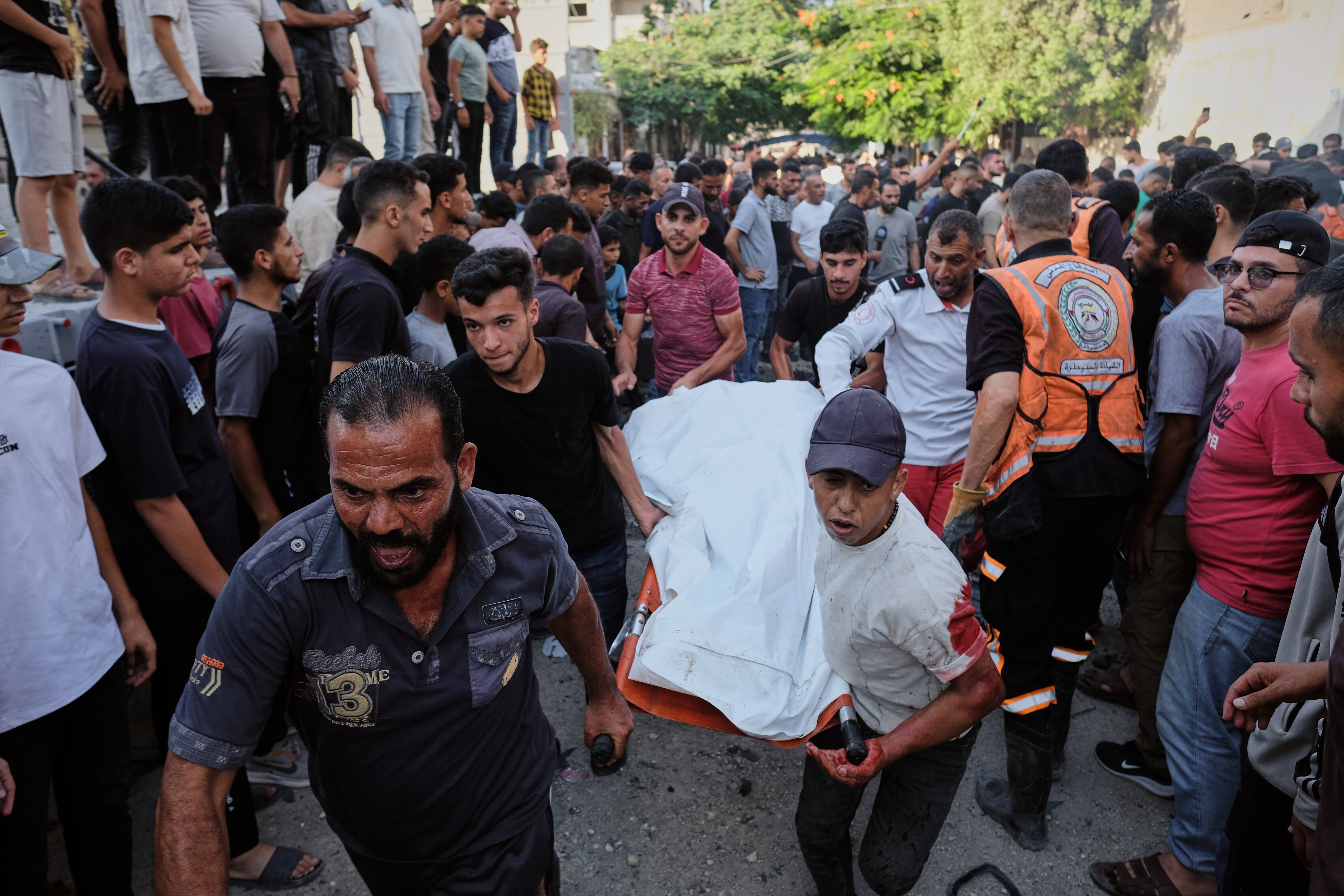
For Israel, however, security isn't dictated by Washington's political calendar. Nearly nine months after a fragile ceasefire was initially brokered following the intense fighting that began late last year, daily violence continues to flare up across the enclave. Israel insists that hundreds of strikes launched during the truce period were necessary to target active combatants, while critics argue the military footprint is only expanding.
What Happens Next
The gap between a social media announcement and actual enforcement on the ground remains massive. Mediators from Egypt, Qatar, and Turkey are trying to bridge the divide, but the fundamental distrust between Israel and Hamas hasn't vanished.
Unless the verification mechanisms feature ironclad guarantees that satisfy Israel's intelligence community, this latest roadmap risks stalling out just like previous attempts. Watch the ground logistics closely over the coming weeks. If Israeli troops don't see immediate, verifiable proof of underground tunnels being cleared by an independent authority, the deal will collapse under its own weight.