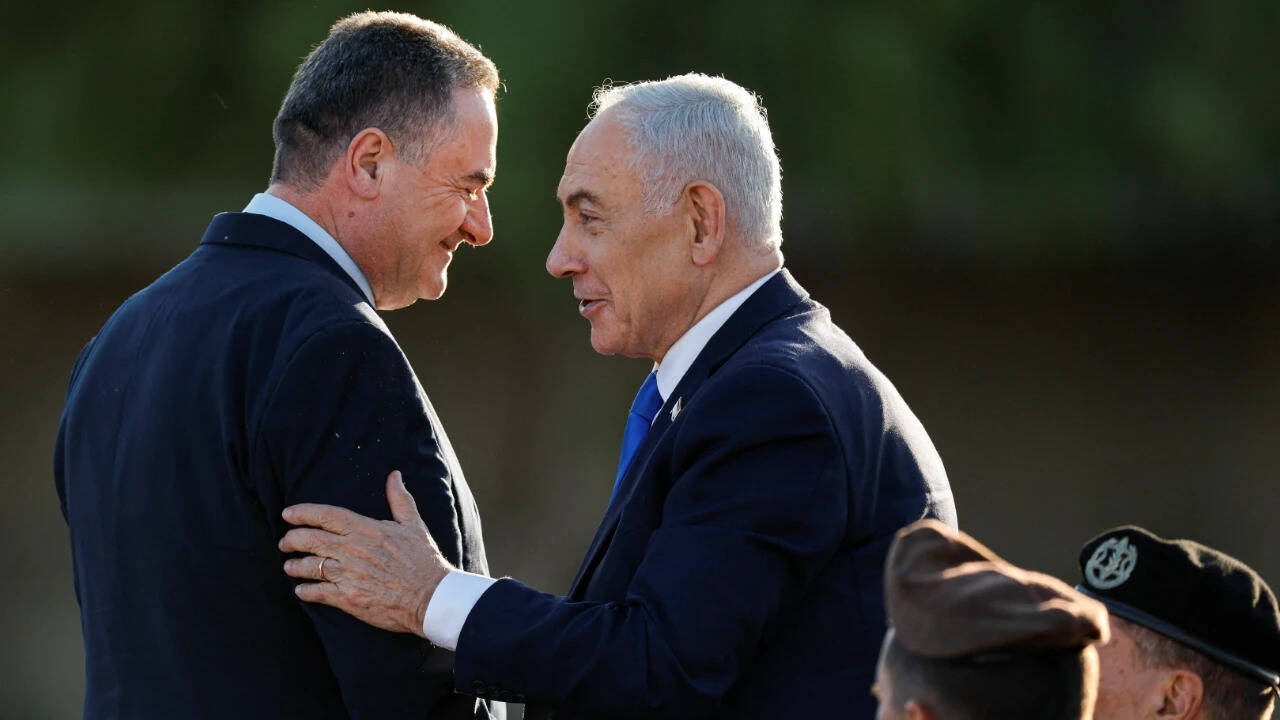
Israeli Defence Minister Israel Katz quickly brushed off stories about a massive fallout between Prime Minister Benjamin Netanyahu and IDF Chief of Staff Lieutenant General Eyal Zamir. He called claims of a rift over proposed military action against Tehran completely baseless and false.
It sounds straightforward on paper. Publicly, the official message remains crystal clear: there's zero intention to launch a strike on Iran right before Israelis head to the ballot box. Yet behind that swift denial lies a much deeper tactical game involving domestic political pressures, election timing, and regional military signaling.
What Triggered the Rift Rumors
The commotion started after reports surfaced over the weekend on Channel 12 and Army Radio. They alleged that Netanyahu issued direct orders for a military action that senior defense officials feared would spark an immediate escalation with Iran just days before the election.
According to those reports, military leaders balked. They worried about launching a sudden strike without proper coordination or strategic preparation, especially during an intense election campaign.
Netanyahu dismissed those claims as total nonsense during a interview with Channel 14. He insisted there was no fight with Zamir. However, in the very same breath, he raised eyebrows by mentioning he recently ordered the IDF and Mossad to bring down the Iranian regime. Whether that statement was connected to the leaked military disagreement remains unclear, but it certainly added fuel to the fire.
Why the Timing Matters Right Now
Timing is everything in Israeli politics. Launching or threatening a major military operation right before a national vote carries huge political risk.
- A massive pre-election strike could be viewed by voters as a desperate political stunt rather than a necessary national security measure.
- If an operation goes sideways or leads to heavy domestic counter-strikes, the political backlash at the polls would be instant and brutal.
- A public feud with military leadership undermines the image of steady leadership that Netanyahu wants to project to his conservative base.
By having Defense Minister Katz step out and firmly shut down the rumors, the political leadership buys precious room to breathe. It projects unity to voters while keeping adversaries in Tehran guessing about what comes next.
The Role of Foreign Endorsements and High Stakes
This political drama isn't happening in an isolated bubble. Donald Trump publicly threw his weight behind Netanyahu, posting on Truth Social and urging Israelis to back the prime minister to finish the job.
Netanyahu doubled down on the high-stakes narrative on social media, warning voters against backing his rivals. Facing stiff electoral challenges, portraying himself as the sole leader capable of handling the Iranian security threat is central to his entire campaign strategy.
The official stance from Katz is clear: Israel won't trigger a pre-election strike on Iran, but any incoming attack from Tehran will draw an immediate, devastating response.
The Reality Behind Offensives and Elections
Don't let the polite denials fool you. Tensions between civilian leaders and top military brass during election season are nothing new in Israel.
When prime ministers press for aggressive action close to voting day, generals often push back. Security chiefs prioritize operational readiness, international backing, and long-term consequences over election schedules. When those priorities clash, leaks to the press happen fast.
Katz may call the reported feud false, but the fundamental tension between immediate political needs and military strategy remains very real.
Key Actions to Watch Following the Election
Regardless of who wins the vote, the underlying security situation with Iran isn't going away. Here is what to track next:
- Watch for post-election statements from the IDF chief of staff to see if military strategy shifts once political pressure recedes.
- Monitor official statements from Tehran to assess whether Iran views the Israeli campaign period as a window of weakness or a threat.
- Track how the newly formed Israeli government aligns its military directives with incoming intelligence reports regarding Iranian nuclear and missile developments.