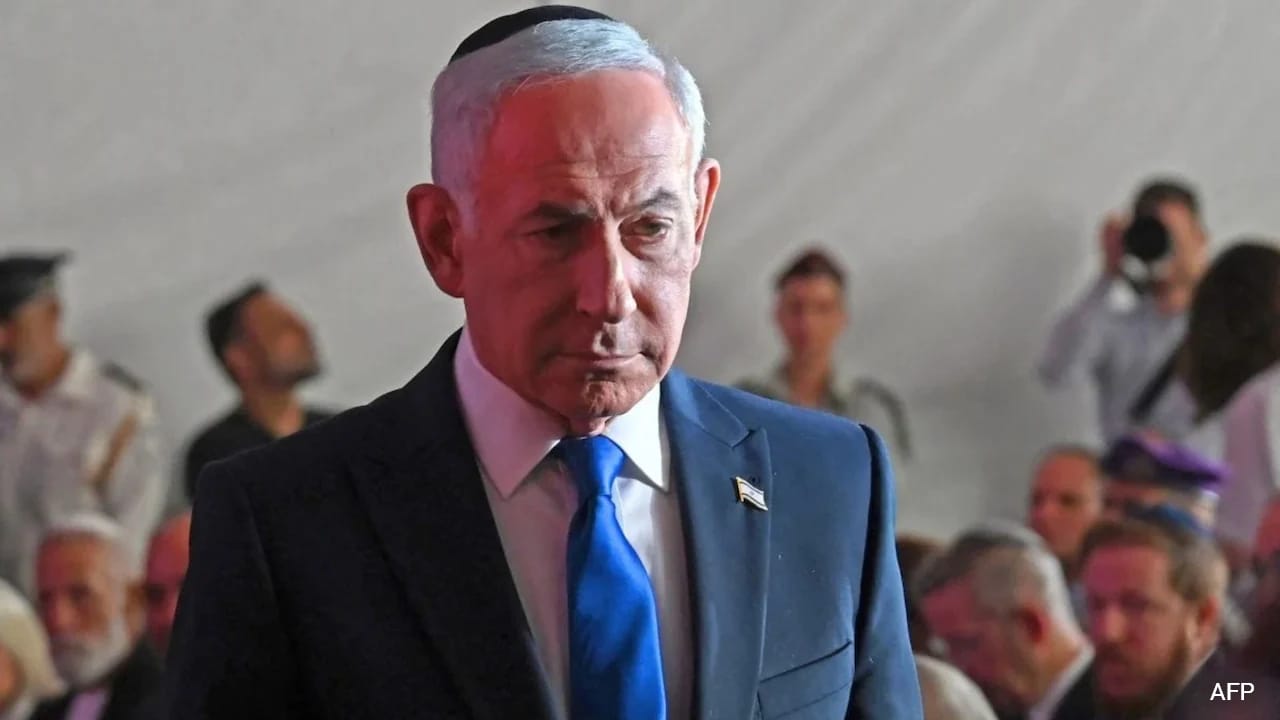
Israel is heading to the polls in the shadow of the October 7, 2023, attacks, and the stakes couldn't be higher. This isn't just another routine trip to the ballot box. It's an existential referendum on Benjamin Netanyahu's entire political legacy. If you think you know how this ends, you're missing the deep fracture lines running through Israeli society right now.
The Mechanics of Israel's Knesset
Forget single-member districts or straightforward candidate matchups. Israelis vote for a national party list on a single ballot. It's pure proportional representation.
To win seats in the 120-seat Knesset, a party must clear a 3.25 percent electoral threshold. No single party has ever won an outright majority in Israel's 78-year history. That means governing requires stitching together a coalition that crosses the magic number of 61 seats.
Because of this system, who finishes first matters far less than who can build a functioning alliance. Netanyahu knows this game better than anyone. He has played it for decades, trading ministries and policy concessions to keep ultra-Orthodox and hardline factions loyal. But this time, the arithmetic looks brutal.
Why This Election Feels Different
The October 7 security failures shattered the illusion of invincibility that Netanyahu spent a lifetime building. Supporters still rally around "King Bibi," viewing him as the lone shield against hostile regional powers. Critics, however, see a leader clinging to office to dodge ongoing corruption trials and international warrants.
The pressure points are everywhere. Ultra-Orthodox parties demand exemptions from compulsory military service for their communities. While that used to be standard political horse-trading, it's now sparking intense public fury from secular and traditional Israelis whose children are fighting and dying on multiple fronts. You can't demand massive blood sacrifices from the public while shielding specific voting blocks from the draft without breaking public trust.
The Contenders Shaping the Post-Netanyahu Era
Netanyahu's opposition isn't a unified bloc, but a collection of heavyweights smelling blood in the water.
Gadi Eisenkot, a former military chief who lost a son in Gaza, is positioning himself as the clean-hands alternative. His centrist party, Yashar, plays heavily on his reputation as a plain-spoken soldier rather than a career politician.
Meanwhile, former Prime Minister Naftali Bennett has teamed up with Yair Lapid under a joint banner called Together. They know how to beat Netanyahu, having done it briefly in 2021. Their pitch centers on national healing and economic stabilization.
Avigdor Lieberman, a veteran hawk who split from Netanyahu years ago, pulls hard-right votes from disillusioned former Likud supporters. On the left, former general Yair Golan leads the Democrats, capitalizing on his frontline rescue efforts during the Hamas attacks.
Even the Arab-majority parties like Raam and the Joint List hold wild-card power. If neither the pro-Netanyahu nor anti-Netanyahu camps hit 61 seats cleanly, the horse-trading will get messy, fast.
What Comes Next
Official results will take time to process, and the coalition-building period is bound to feature high-stakes drama, backroom deals, and dramatic walkouts. If Netanyahu pulls off another political miracle, he extends an era of dominance that has defined modern Israeli politics. If he falls, a new generation of security hawks and centrists will scramble to pick up the pieces of a deeply traumatized nation. Watch the math on election night, but keep your eyes on the coalition talks that follow. That is where the real fight happens.