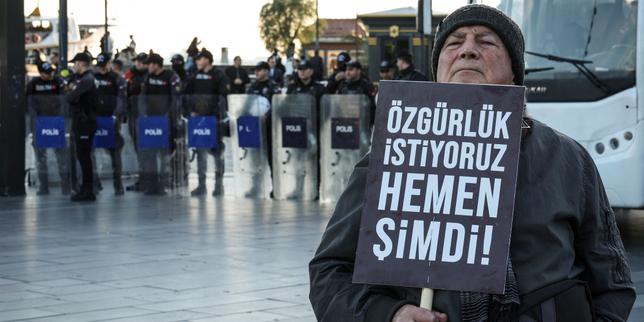
Rain hammered Kartal Square on Istanbul's Asian shore, yet thousands still showed up. They weren't there for a routine political speech. They came because groceries, rent, and basic survival feel harder every month while headlines keep pointing to graft at the top.
When you cover street politics in Turkey long enough, you learn to separate noisy headlines from real pressure points. A rally in Istanbul doesn't happen by accident, especially in wet November weather. Over a hundred organizations backed the gathering under banners calling for justice, bread, and freedom. For a more detailed analysis into this area, we recommend: this related article.
What you see on the ground is simple. Working people, retirees, and opposition supporters are tying pocketbook pain directly to political accountability. Honestly, that connection is what gives this wave of frustration real weight.
Why Istanbul Street Protests Hit So Hard
Istanbul isn't just another city in Turkey. It's the economic engine of the country and a constant barometer of public mood. When thousands fill Kartal Square despite rain and wind, it signals that everyday strain has crossed a threshold. To get more context on the matter, detailed reporting can also be found on TIME.
People aren't arguing over abstract theory in the rain. They're talking about inflation running around 30%, pensions that barely stretch through the month, and wages that don't match what a shopping basket costs at the checkout counter.
I've watched plenty of rallies fizzle out when grievances stay vague. Here, the anger is specific. Workers point to squeezed purchasing power and workplace safety concerns, while union voices—such as Birlesik Metal-Is president Ozkan Atar—have accused circles close to power of pillaging public resources.
Poverty and Corruption as One Single Issue
A mistake outside observers often make is treating economic hardship and political corruption as two separate stories. On the streets of Istanbul, protesters treat them as two sides of the same coin.
If a family's budget is tight, watching allegations of insider enrichment, stock market scandals, or favored contracts stings ten times more. Opposition figure Ozgur Celik has directly linked democratic backsliding to the impoverishment of ordinary citizens, framing governance failures as a direct hit to household survival.
Does every protester agree on the exact policy fix? No, of course not. Economists and political analysts debate how much of Turkey's price pressure comes from structural costs, monetary policy, or institutional trust. Still, when public trust erodes, every price hike feels personal.
What People Usually Miss About These Rallies
Casual readers often scan a headline about a protest and assume it's purely partisan. Usually, it's messier than that.
- Coalition breadth: Over a hundred groups lent support to the Kartal rally, showing coordination across labor, civil society, and opposition circles rather than a single faction acting alone.
- Press and legal pressure: Demonstrations around this period have also reflected anger over media crackdowns—with press freedom group MLSA reporting 25 journalists imprisoned—and judicial moves targeting the opposition, including the invalidation of jailed Istanbul mayor Ekrem Imamoglu's university diploma that blocks a presidential run.
- Everyday friction: For many attendees, the main trigger isn't a constitutional debate. It's paying rent, keeping heat on, and wondering if their savings are shrinking every week.
How to Track This Story Without Getting Fooled
Fast-moving news around protests tends to exaggerate crowd sizes on one side and downplay grievances on the other. You don't need inside access to read the situation clearly. You just need better habits.
First, cross-check independent reporting and rights monitors alongside political statements. Groups like Media and Law Studies Association (MLSA) track press freedom cases, while outlets such as Le Quotidien and TV5MONDE document street developments and broader Turkish protests.
Second, watch economic indicators and labor disputes together. A one-day rally tells you how angry people feel today. Sustained wage bargaining, pension debates, and court rulings tell you whether that anger is building toward a bigger political shift.
Practical Next Steps If You Follow Turkish Affairs
If you're researching, investing, or simply trying to stay informed on Turkey, take three concrete steps right now:
- Separate rhetoric from verified data: Compare official inflation figures and court filings against independent reporting and union statements before drawing conclusions.
- Track key institutional flashpoints: Keep an eye on labor union actions, press freedom reports, and legal decisions affecting major opposition figures like Ekrem Imamoglu.
- Follow local context, not just viral clips: Short clips from a single square rarely show the full picture across Istanbul's districts or the rest of the country.
Watch what happens next between street pressure and institutional pushback—that tension will shape Turkey's political mood far more than any single afternoon in the rain.
Turquie : plus de 500 interpellations lors des manifestations du 1er
This video adds helpful context on how large street demonstrations in Turkey unfold and how authorities respond during periods of intense public mobilization.