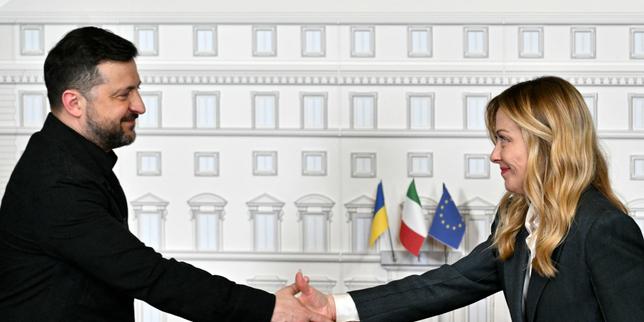
Foreign policy rarely decides Italian elections. For decades, domestic economic worries, taxation, and migration dominated the ballot box while foreign affairs stayed in the background. But things change. As upcoming legislative votes approach, the official stance on the war in Ukraine has transformed into a high-stakes wedge issue that threatens to tear political coalitions apart from the inside out.
If you look closely at Rome's political arena, the consensus supporting Kyiv is fracturing. Prime Minister Giorgia Meloni has managed a delicate balancing act, keeping Italy aligned with NATO and the G7 while managing internal dissent. Yet, that fragile unity is cracking. Extreme right factions, populist movements, and even parts of the traditional opposition are positioning themselves against continued military assistance and rearmament.
The Internal Pressures Testing Giorgia Meloni
Maintaining a pro-Kyiv posture hasn't been easy for the current administration. While Meloni has routinely reaffirmed her commitment to the Ukrainian government—such as during international summits where she emphasized rebuilding energy infrastructure—her coalition partners tell a different story.
Matteo Salvini and his League party have consistently pushed back against ongoing military decrees. They argue that endless arms shipments drain national resources and fail to bring peace closer. Meanwhile, newly emergent political entities like Roberto Vannacci's Futur national are leaning heavily into anti-interventionist rhetoric to capture anti-establishment votes.
It is basically a political tug-of-war. On one side, you have an executive branch trying to project international reliability to Western allies. On the other side, you have opportunistic factions sensing that voters are growing fatigued by foreign conflicts and domestic inflation.
The Opposition Paradox on Rearmament
The pushback doesn't come exclusively from the political right. Across the aisle, the populist Mouvement 5 Étoiles has firmly entrenched itself against not just aid packages, but any broader moves toward national and European rearmament. They argue that pouring money into defense budgets steals funds away from public healthcare, education, and social programs.
This creates a strange political paradox. The anti-war stance bridges traditional ideological divides. Far-right nationalists and populist left elements find themselves sharing similar talking points regarding foreign entanglements. When voters hear politicians from opposite ends of the spectrum chanting the same anti-assistance slogans, the message cuts through the noise very effectively.
What This Means for the Next Legislative Cycle
Elections carry consequences that stretch far beyond national borders. If the anti-aid factions gain momentum, Italy’s foreign policy could experience a dramatic shift. Rome has previously extended civilian and military protections through legislative decrees, but keeping that machinery running requires constant parliamentary approval.
When the campaign officially kicks into high gear, expect candidates to weaponize economic anxiety. Politicians will likely tie every domestic financial struggle directly back to foreign spending. For anyone watching European geopolitics, Italy represents a major test case. If a foundational G7 nation begins to retreat from its commitments due to domestic populist pressure, other European capitals will feel the shockwaves.
Keep an eye on how parliamentary votes unfold in the coming months. The debate isn't just about foreign policy anymore. It is about who controls the narrative of Italian national identity.

.webp)