Political figures often use extreme language to test the boundaries of public discourse. Sometimes, they go much further. When a sitting government minister openly advocates for the systematic killing of dozens of people every night, it’s not just a casual remark. It signals a fundamental shift in how state authority interacts with human rights.
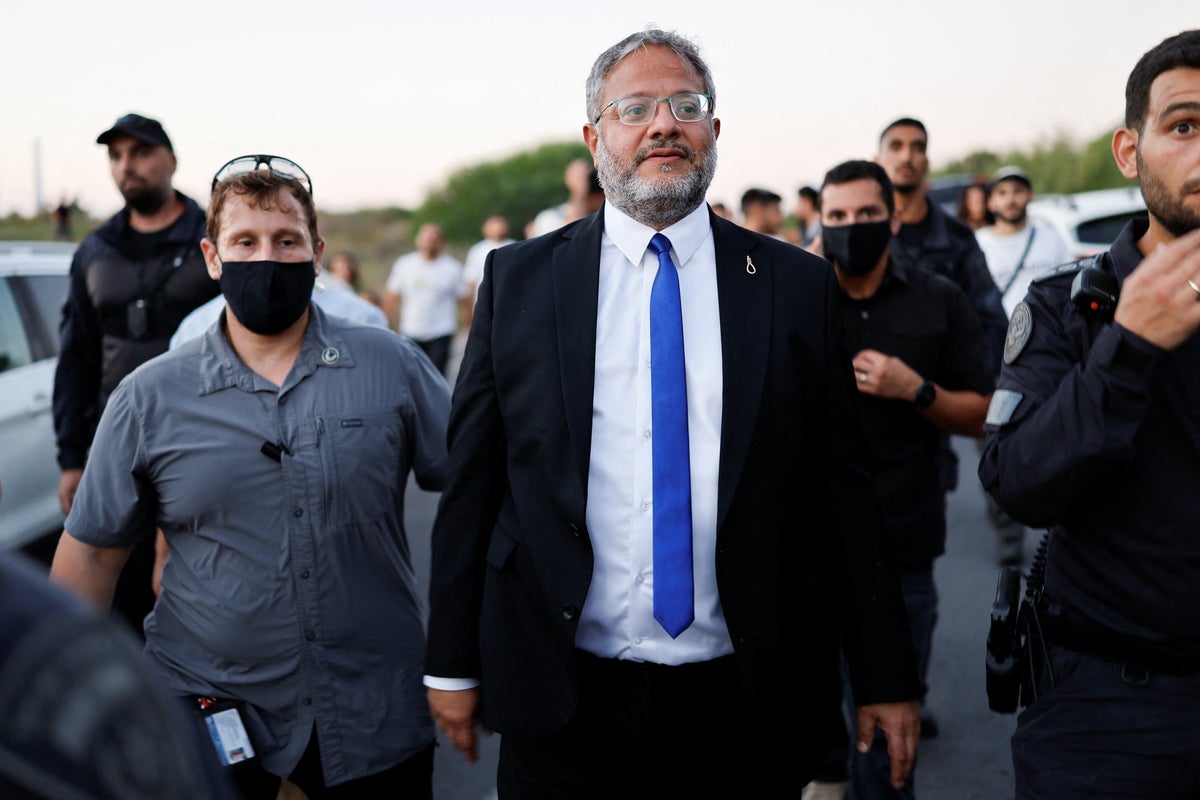
Itamar Ben Gvir, Israel’s minister of national security, recently made headlines by calling for the targeted killing of "30 to 40" people in Gaza every single night. Speaking on the podcast The 8 October, he didn't mince words. He argued that these individuals aren't just threats—he claimed they aren't even people. This language doesn't happen in a vacuum. It comes from a man who controls the national police force and oversees the prison system where thousands of Palestinians are held.
The real weight of Ben Gvir’s words
You need to understand who is saying this. Ben Gvir isn't some fringe activist shouting from a soapbox. He holds one of the most powerful positions in the Israeli cabinet. He exerts direct influence over the security apparatus. When he suggests that a set number of people should be killed daily, he isn't just venting frustration. He is defining a policy preference.
This rhetoric is particularly jarring because it challenges the norms of international law. Whether you support the current military operations in Gaza or not, the explicit dehumanization of an entire population is a different beast entirely. It echoes the darkest chapters of history where labels like "unworthy of life" were used to justify atrocities.
Why this changes the negotiation room
The timing of this statement is critical. Israel has been under intense pressure regarding ceasefire talks and the status of hostages. Prime Minister Benjamin Netanyahu has been juggling domestic demands from his right-wing coalition partners, like Ben Gvir, against international pressure from figures like President Donald Trump.
By publicly pushing for mass killings and the resettlement of Gaza, Ben Gvir is effectively sabotaging the diplomatic middle ground. He wants to see the return of Jewish settlements in the territory—a move that would fundamentally alter the geopolitical map of the region. For observers, this makes the prospect of a lasting truce seem increasingly distant. It signals that even if a deal is reached on paper, the internal politics of Israel are leaning toward a more aggressive, permanent occupation.
The domestic impact inside Israel
It’s easy to look at this from the outside and see pure chaos. Inside Israel, the dynamic is complicated. Ben Gvir has gained significant traction since the October 7, 2023, attacks. The trauma of that event is still raw. Many Israelis feel a deep sense of betrayal and vulnerability. Politicians who promise absolute security, no matter the cost, often find a receptive audience in that climate.
However, this isn't a monolith. There is a divide within the Israeli public and the military brass. When top-level government officials advocate for policies that openly clash with the military’s own strategic guidelines or international humanitarian obligations, it creates friction. Last week, when reports surfaced that the authority for carrying out airstrikes was being restricted to the army’s chief of staff, Ben Gvir’s outrage was immediate. He saw it as a weakening of resolve.
Examining the strategy of dehumanization
History teaches us that when leaders strip the humanity from their enemies, the consequences are predictable. It lowers the barrier for violence. It makes it easier for soldiers and civilians alike to view civilian casualties as necessary or even desirable.
Ben Gvir’s comments on the The 8 October podcast about Gaza being "ours" and the need for mass emigration are not new ideas for him. He has been on the extreme right for decades. But moving these ideas into the mainstream of government policy is a massive development. It’s no longer about securing a border. It’s about demographic engineering and vengeance.
Moving forward
If you’re watching this, keep your eyes on the security cabinet meetings. The real danger here isn't just the words spoken on a podcast; it’s the potential for those words to translate into orders for the police or prison services.
If you want to understand where this is heading, watch the level of friction between the military command and the Ministry of National Security. If the military continues to pull back or seeks de-escalation, expect Ben Gvir to double down on his rhetoric. He isn't interested in a ceasefire. He is interested in proving that his vision for Israel—one that doesn't include a Palestinian presence in Gaza—is the only way forward.
Stay alert to these shifts. The political landscape is moving toward an increasingly rigid, uncompromising stance that will dictate the future of the region for years to come. There is no middle ground when one side decides the other no longer exists.