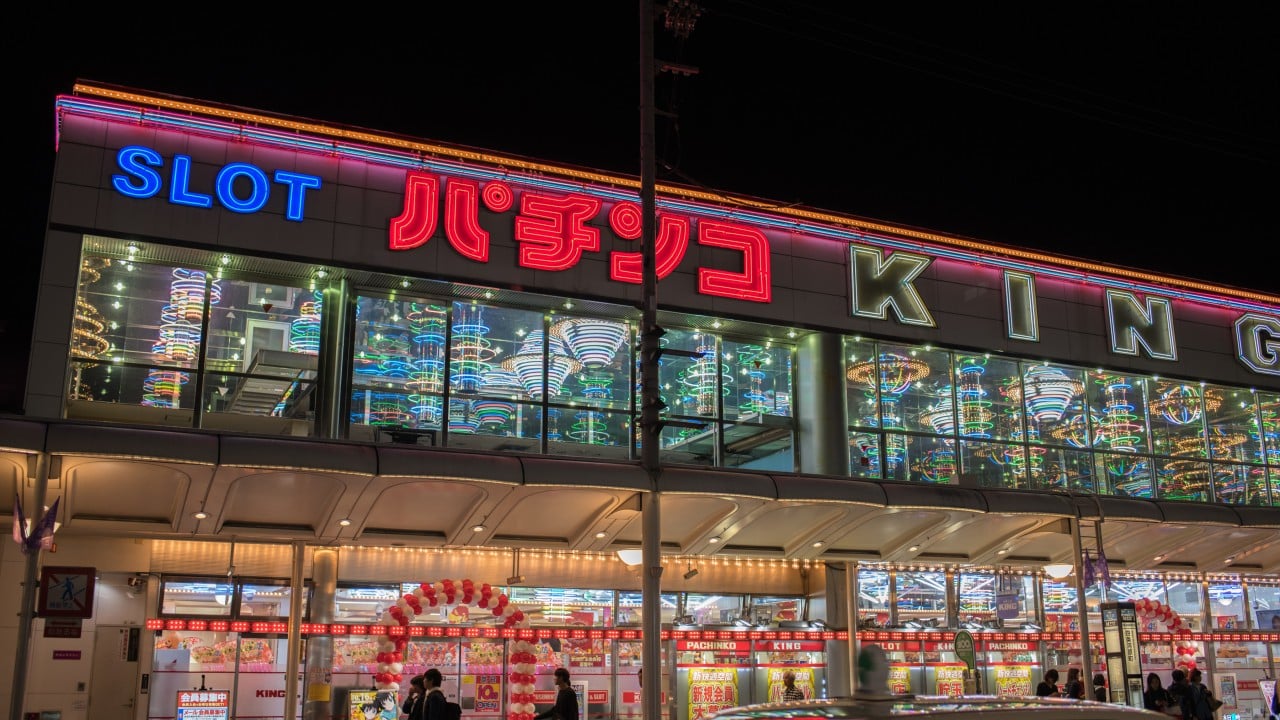
On August 21, 2026, the Japanese government resumed capital punishment, ending a fourteen-month period where no executions were carried out. The individual executed was Sunao Takami, a 58-year-old man who had been on death row for nearly two decades. His crime? A horrific 2009 arson attack on a pachinko parlor in Osaka that left five people dead and ten others injured.
It’s easy to read a headline about an execution and move on. But there’s a lot more to this story than the simple act of state-sanctioned killing. If you want to understand how justice is perceived in Japan, you have to look at the machinery behind these events. It’s a system defined by its secrecy, its reliance on public approval, and a legal framework that treats the death penalty as an unavoidable necessity.
The Reality of Japanese Capital Punishment
Japan remains a rare outlier among developed democracies for its continued use of the death penalty. While many nations have moved toward abolition, Japan’s support for the practice stays surprisingly high. A 2025 Cabinet Office survey showed over 83% of the public considers the death penalty "unavoidable."
For the average citizen, the logic is usually tied to a sense of victim-centered justice. The argument is that if someone steals a life, they have surrendered their right to their own. However, this perspective often ignores the internal toll on the justice system itself.
Executions in Japan are carried out by long-drop hanging. They are typically conducted in secret. Inmates are often notified of their impending death only on the morning of the day it occurs. This practice has been challenged in court for years, with critics arguing it inflicts "cruel and unusual" psychological torture on the condemned. Yet, the Supreme Court has consistently held that the practice complies with the constitution.
The Osaka Case and the Question of Responsibility
The case of Sunao Takami was not just about the act of arson; it was about the legal threshold of mental culpability. During his 2011 trial, his defense team explored his mental state. Takami had been struggling with unemployment and expressed deep feelings of hopelessness before the attack.
When the courts weigh such cases, they use the "Nagayama Standard"—a set of judicial criteria established in the 1980s. This standard helps judges decide whether a death sentence is appropriate. Key factors include the number of victims, the brutality of the crime, and the impact on society. In Takami's case, the court determined he possessed "full criminal responsibility," effectively rejecting the argument that mental distress mitigated his choice to commit mass murder.
His own words during his trial provided a chilling postscript to his life. When asked by victims' families about his feelings, he reportedly stated, "It is only natural that I receive the death penalty. I am not afraid." This wasn't a man fighting for his life; it was a man who had already checked out of society.
Why This Matters in 2026
The long gap between executions—the fourteen months preceding this event—had led some to speculate that Japan might be subtly moving toward a de facto moratorium. Resuming executions under the Takaiichi administration signals that the status quo remains firmly in place.
If you're looking for signs of change, you won't find them here. The system operates on a rigid adherence to precedent. Officials argue that transparency regarding the "how" and "when" of executions would cause undue distress to families and the inmates themselves. Critics call it a lack of accountability.
Most people don't realize how small the margin for error is in these cases. Even in a legal system that prides itself on high conviction rates, the risk of a miscarriage of justice is a heavy shadow. While Takami admitted to his actions, other death row cases in Japan have faced significant scrutiny over the decades regarding forced confessions and limited access to evidence.
What You Should Know About the Process
If you ever find yourself debating the ethics or the mechanics of this system, keep these three points in mind:
- Secrecy is a feature, not a bug: The Ministry of Justice controls the flow of information entirely. You won't find detailed public records on how an individual spends their final days.
- Victim advocacy is the primary justification: The government leans heavily on the idea that the death penalty provides closure for the victims' families, despite research suggesting the legal process can actually retraumatize those involved.
- The method hasn't evolved: The state still relies on hanging. Discussions about "humane" alternatives are basically non-existent in the mainstream political discourse.
Japan’s approach to crime and punishment is deeply rooted in a desire for social order and collective harmony. It isn't going away anytime soon. Understanding this means accepting that for the Japanese state, the death penalty is not just a tool for punishment, but a pillar of their legal stability. Don't expect the policy to shift based on international pressure; it’s a domestic issue that the public has consistently chosen to support.
When the next execution notice is sent out, the cycle will repeat. The notification arrives, the trapdoor opens, and the state's work is considered finished. It's a closed loop, and currently, there is no key.