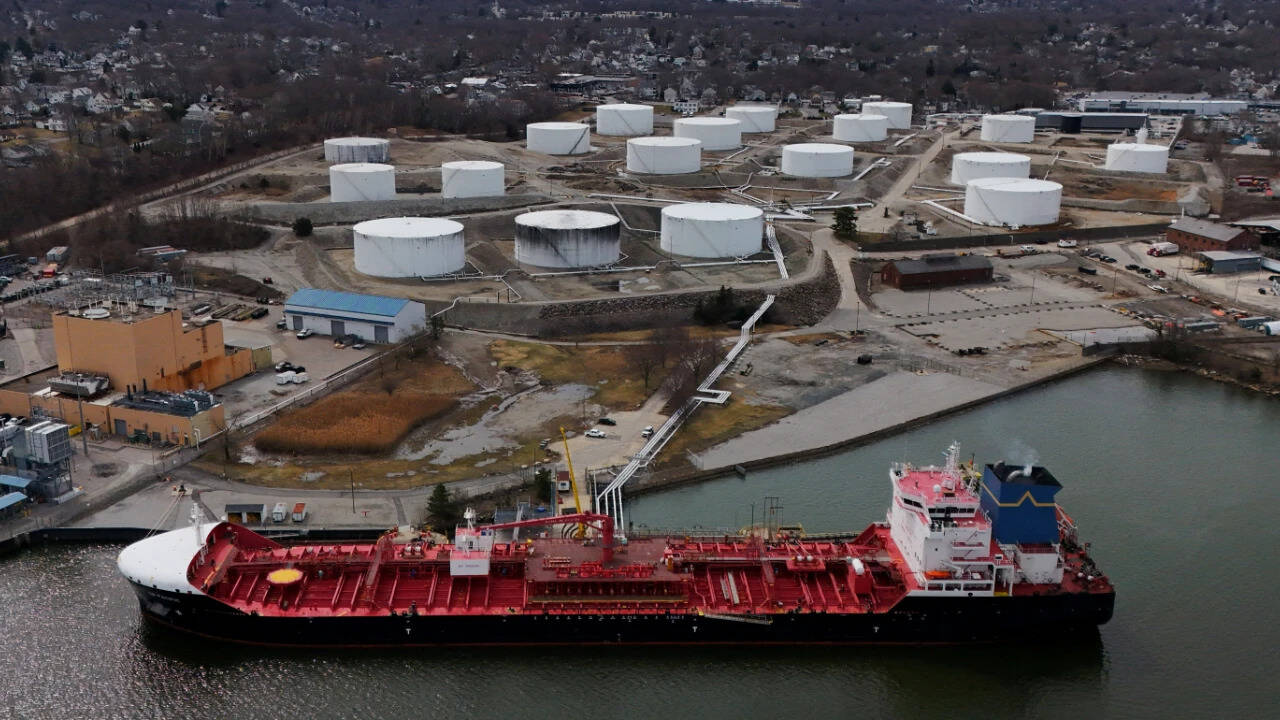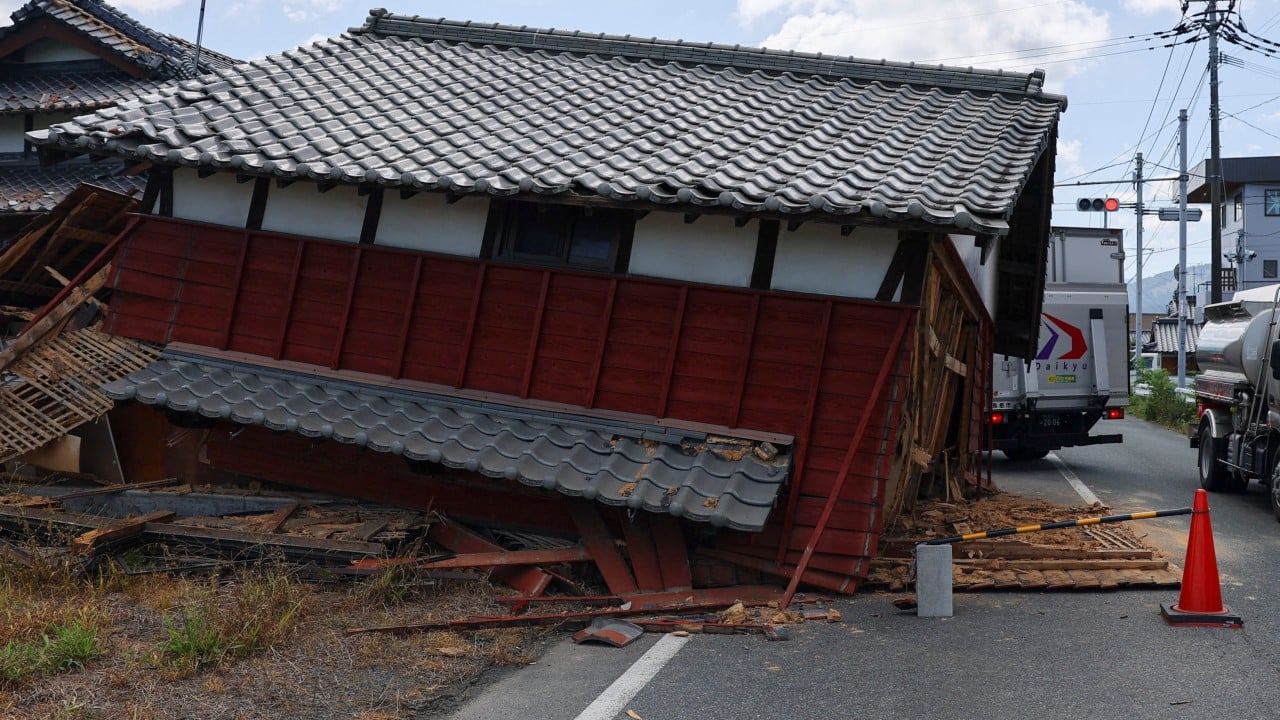
When a 7.1-magnitude earthquake struck southern Japan, it didn't just rattle buildings. It instantly choked the vital arteries powering global automotive and semiconductor manufacturing.
You've probably seen the headlines about factories grinding to a halt on the island of Kyushu. But most mainstream coverage misses the underlying structural fragility. Why does a single regional tremor thousands of miles away from major consumer markets still manage to threaten car production lines across the globe?
The answer lies in geographic concentration. Kumamoto and the broader Kyushu region function as Japan's tech heartland. When nature strikes this specific hub, the shockwaves ripple straight into your local dealership months later.
The Vulnerability of Just-in-Time Manufacturing
Modern carmakers hate holding inventory. Keeping parts stacked in warehouses costs money, so companies rely on hyper-efficient logistics where components arrive precisely when needed.
It works brilliantly until disaster hits.
Toyota, Nissan, and a web of Tier-1 suppliers depend heavily on facilities clustered tightly in southern Japan. When the recent tremor cut off water supplies and damaged structural elements at critical component makers like Aisin, assembly lines hundreds of miles away had to freeze. Toyota didn't just pause local Kyushu facilities; they had to idle plants as far away as Aichi prefecture because a single missing door latch or engine bracket stops an entire vehicle from being built.
Factories can usually survive a loss of electricity for a few days. Water is harder. Clean water is non-negotiable for cooling heavy industrial machinery and manufacturing microchips. Without it, production stays dead in the water—literally.
Inside the Silicon Island Disruption
Kyushu isn't just about cars. It earned the nickname Japan's Silicon Valley because massive chipmakers set up shop there to take advantage of local infrastructure and talent.
When the earth shook, heavy hitters felt the blow immediately:
- Taiwan Semiconductor Manufacturing Co (TSMC) evacuated personnel from its local fabrication plant before executing safety inspections.
- Renesas Electronics discovered cracked walls, fallen ceiling panels, and water leaks across multiple facilities.
- Sony and Tokyo Electron scrambled to evaluate delicate equipment designed to manufacture advanced image sensors and semiconductors.
Building a semiconductor is an exercise in microscopic precision. A sudden jolt of that magnitude moves multi-million-dollar lithography machines by fractions of a millimeter. Even if a building looks fine from the outside, recalibrating those tools takes weeks of painstaking work.
What Economists Get Wrong About Recovery Timelines
Financial analysts love to calm markets by calling these disruptions "temporary." Takahide Kiuchi from the Nomura Research Institute pointed out that production halts are largely driven by worker safety precautions rather than catastrophic structural destruction.
That is true on paper. But it ignores secondary bottlenecks.
A factory might fix its broken water pipe in forty-eight hours. However, if the logistics network connecting that factory to the port is fractured, or if trucking companies face impassable roads, finished goods aren't moving anywhere. Parts sit in loading bays while assembly lines stay empty.
We saw this movie a decade ago during the 2016 Kumamoto earthquakes, and we saw it again during the 2011 Tohoku disaster. Manufacturers promise they have diversified their supply chains. They claim to hold deeper buffer stocks of critical chips. Yet, whenever nature tests these systems, the same old chokepoints reappear.
Practical Takeaways for Supply Chain Resilience
If you run a business or manage procurement, you cannot treat regional geographic concentration as someone else's problem. Relying on single-source suppliers embedded in active earthquake zones is an unmanaged structural risk.
You need to audit your tier-two and tier-three vendor maps today. Do you actually know where the raw silicon or custom stamping dies for your products originate? If your entire product line depends on a single industrial cluster located on a seismic fault line, you are playing Russian roulette with your inventory. Build geographic redundancy now, or spend your quarters explaining delivery delays to angry customers.