The rapid rise and sudden fall of Jason Arday at the University of Cambridge has exposed far more than individual errors. It has laid bare how elite institutions prioritize splashy PR headlines over basic, rigorous credential checks.
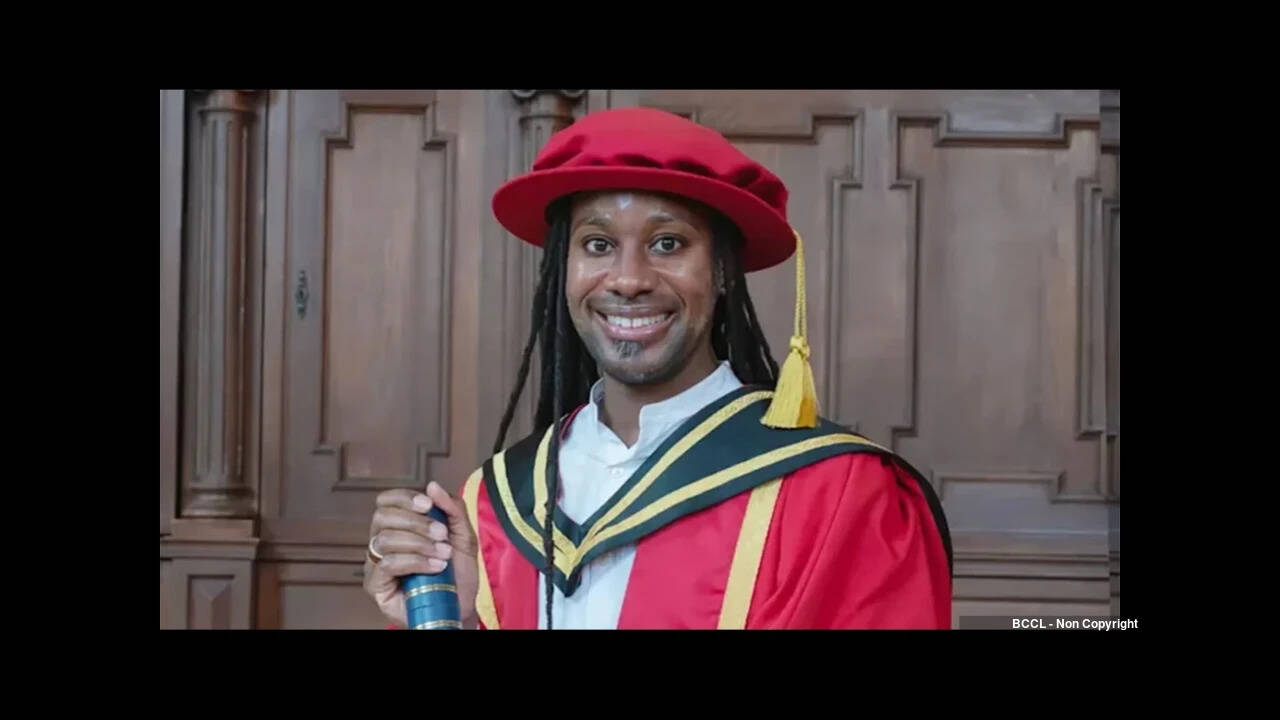
When Arday was appointed as the Professor of Sociology of Education at Cambridge in 2023, the story went viral globally. He was celebrated as the youngest Black professor in the university's history, backed by an inspiring personal narrative of overcoming educational disadvantage and late-onset speech. Yet, beneath the celebratory press releases, crucial vetting protocols appear to have completely failed.
How the Plagiarism and CV Scrutiny Unraveled
The cracks started showing when independent researchers and academic sleuths began looking closely at Arday's published footprint. Questions arose regarding portions of his 2015 doctoral thesis from Liverpool John Moores University. Critics pointed to overlapping text and structural similarities with earlier academic work.
While Liverpool John Moores University initially dismissed formal charges of academic misconduct by attributing discrepancies to "honest and reasonable error," the controversy refused to die. Independent dossiers circulating online detailed extensive textual overlaps. Soon, scrutiny expanded past his thesis. Observers began examining his official biographies, which listed visiting fellowships and professorships at various global institutions—affiliations that external checks later called into question. Additional public claims about extreme athletic feats and massive charity fundraising drives also faced intense public skepticism.
Arday consistently rejected accusations of deliberate academic fraud or lying. He maintained that he was the target of an aggressive, targeted campaign, pointing to the immense psychological toll of the public backlash. He acknowledged that mistakes happened during his academic journey, attributing some issues to early career pressures, lack of proper editorial support, and the challenges of navigating higher education while managing autism.
Cambridge Changes Tune Under Pressure
For months, Cambridge stood firmly by its professor. University officials publicly defended him, framing the mounting criticism as a malicious effort to undermine his credibility.
That stance collapsed when fresh information emerged regarding his academic qualifications and honorary positions. Facing a newly announced university inquiry and parallel investigations by Jesus College, Arday chose to resign with immediate effect. In his resignation statement, he noted that the endless speculation had made remaining in his post untenable.
Rather than letting the issue rest, nearly 100 senior academics at Cambridge signed an open letter demanding an independent, transparent inquiry. They argued that the university cannot simply investigate itself. They want a clear accounting of how hiring managers performed due diligence, and whether the institution ignored warning signs to protect a powerful public narrative.
What Higher Education Must Fix Now
This situation points to a systemic vulnerability in modern academia. Universities are desperate for diversity milestones and media wins. When a candidate arrives with an inspiring background, search committees sometimes suspend standard skepticism.
Verifying CV claims, cross-referencing institutional affiliations, and running rigorous text-matching software on dissertations should be non-negotiable baseline tasks. When elite institutions skip these steps for the sake of a good headline, they fail everyone—especially genuine scholars from underrepresented backgrounds who rely on objective merit.
The fallout at Cambridge will echo for years. It forces a harsh reckoning over institutional accountability, peer review standards, and the dangerous gap between public relations and academic truth.