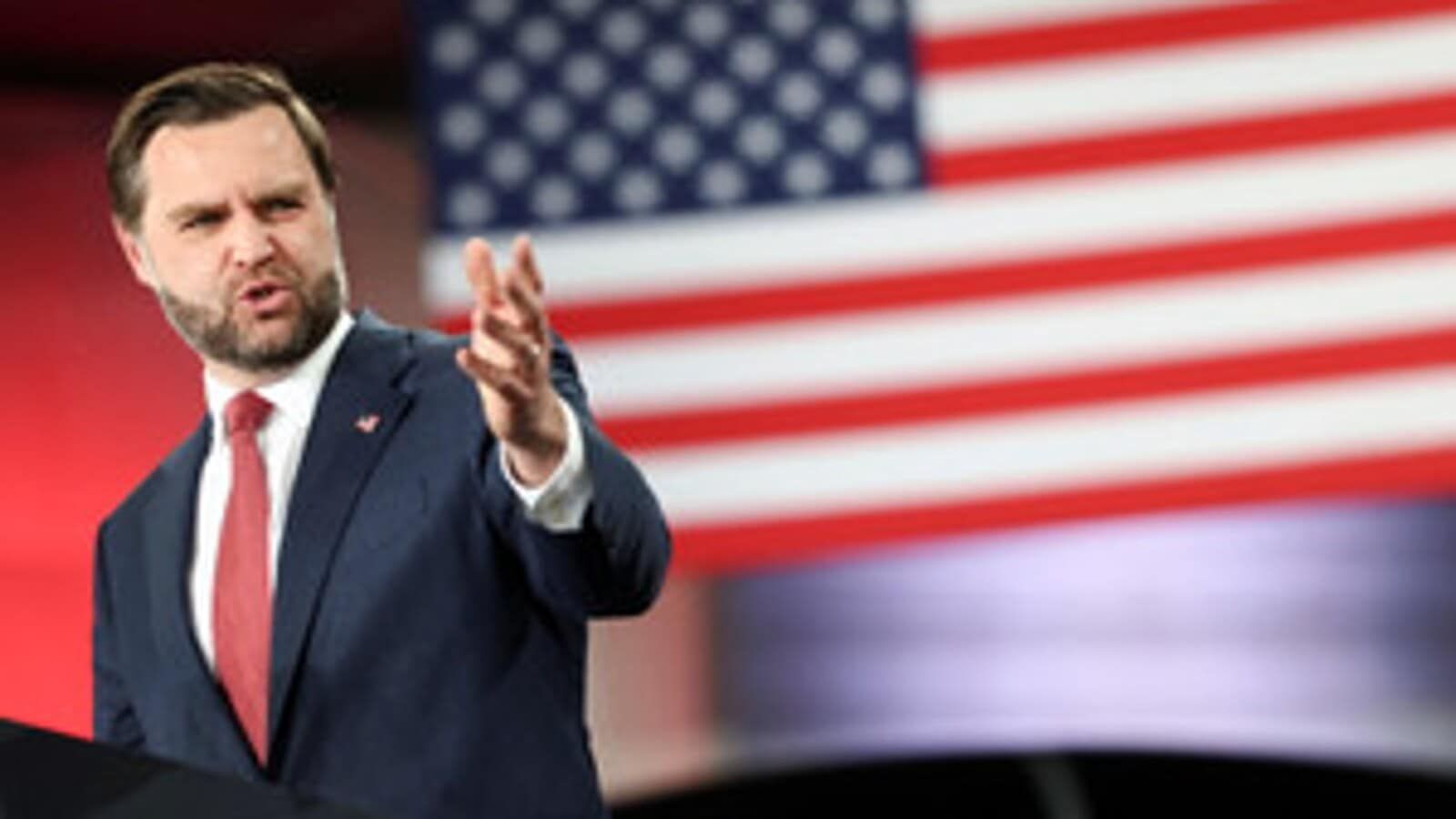
Vice President JD Vance just said the quiet part out loud. Following a brutal set of midterm losses that flipped control of Congress, Vance pointed a direct finger at the military conflict with Iran as the core reason voters abandoned Republican candidates. While party pundits scrambled to blame ground-level organization or generic economic talking points, Vance argued something far more uncomfortable: the electorate didn't stay home; they actively switched sides.
When you look at places like Florida, where base turnout remained stubbornly high, the math tells a very specific story. Voters showed up, but a critical chunk of the coalition that backed the Trump-Vance ticket in 2024 walked into the voting booth in November and pulled the lever for Democrats. Foreign entanglements have a nasty habit of breaking political coalitions, and this cycle proved it once again.
The Cost of Foreign Conflict at the Ballot Box
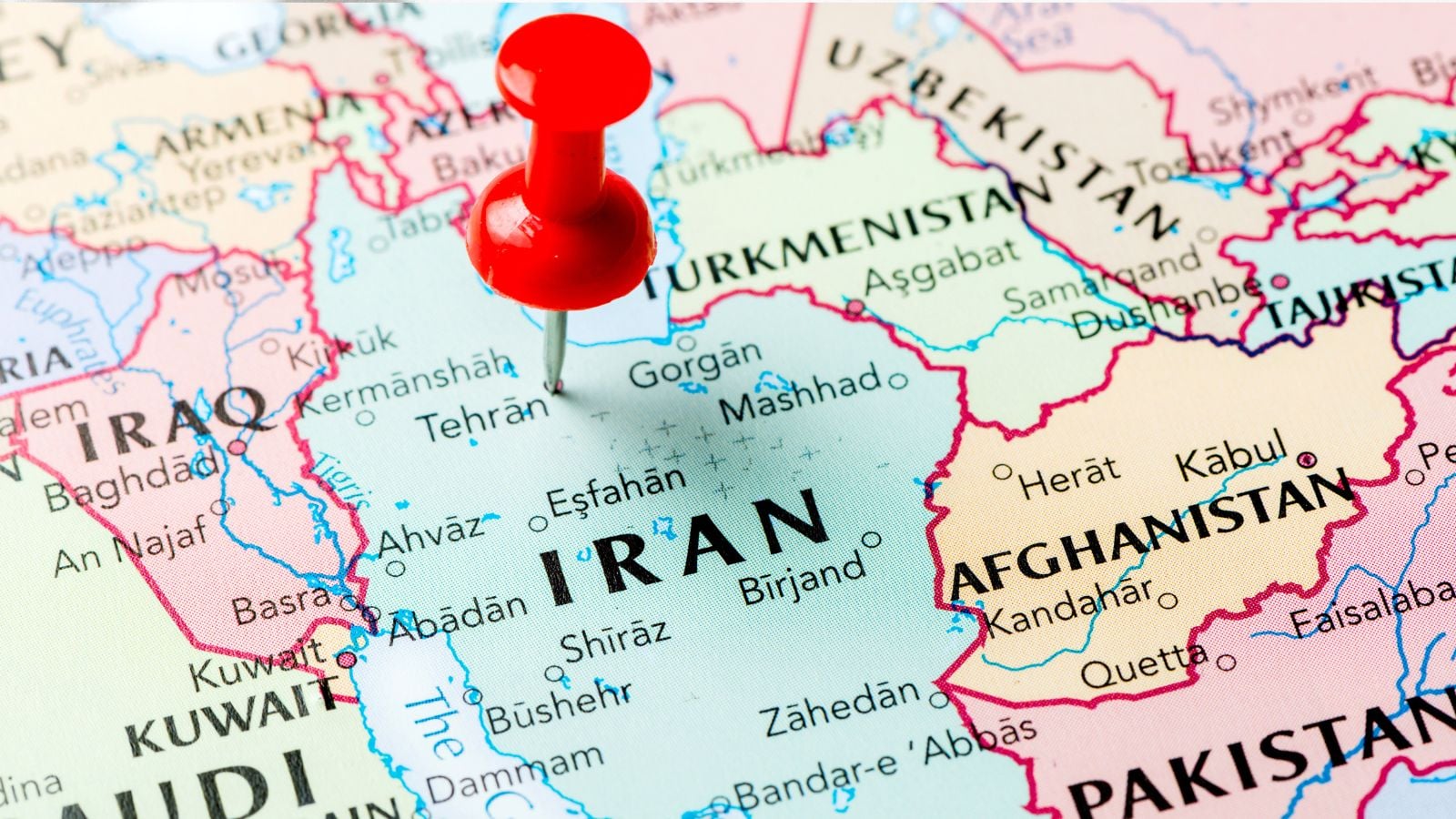
Foreign policy is rarely just a debate happening on cable news. It hits checkbooks, gas prices, and family dinner tables. When the administration engaged in military actions against Iranian targets in the Strait of Hormuz, the political fallout was immediate. Voters who signed up for an "America First" agenda centered on domestic renewal didn't bargain for a escalating Middle Eastern conflict.
Vance didn't sugarcoat the reality. In a public statement addressing the wreckage of the midterms, he noted that defending the war as a worthwhile cost required an honest argument. Yet, he acknowledged the undeniable political price: losing the Senate for the next six years. That kind of blunt assessment is rare in modern politics, where scapegoating local campaign managers or bad weather usually replaces self-reflection.
Where the Economic Messaging Broke Down
Beyond the shadow of the war, economic anxiety sealed the deal for swinging voters. The White House tried to lean on broad economic growth metrics, but everyday consumers weren't feeling the win. Inflationary pressures combined with uncertainty over global supply chains created a hostile environment for incumbents.
Vance admitted that Republican messaging in the closing weeks of the campaign simply wasn't sharp enough. When voters are stressed about the cost of living and watching foreign conflicts escalate on the evening news, abstract policy wins don't move the needle. They want stability, and they voted for a change of hands in Washington to force a course correction.
What This Means for the Road to 2028
The political landscape has shifted dramatically now that Democrats control at least 54 seats in the Senate. The legislative gridlock will be fierce, and oversight committees will launch aggressive investigations into executive actions. For the Republican party, the path forward requires an uncomfortable reckoning.
If the 2026 midterms proved anything, it is that the populist coalition is fragile. Voters who crossed party lines aren't necessarily gone forever, but they expect accountability. Pretending that foreign military choices don't alienate domestic supporters is a fast track to losing future elections.
The anger floating around the grassroots right now is entirely justified. Channeling that frustration into demanding candidates who genuinely share a non-interventionist worldview is the only way to rebuild. Stop spinning losses as organizational failures and start listening to the voters who walked away.